Vcil Travel SchoolUpcoming
Ladakh VIII: Mindful Travel & Sustainable Living
Mindful travel & sustainable living in Little Tibet.
Key facts
- Starts
The Origin of Vcil Travel School Ladakh
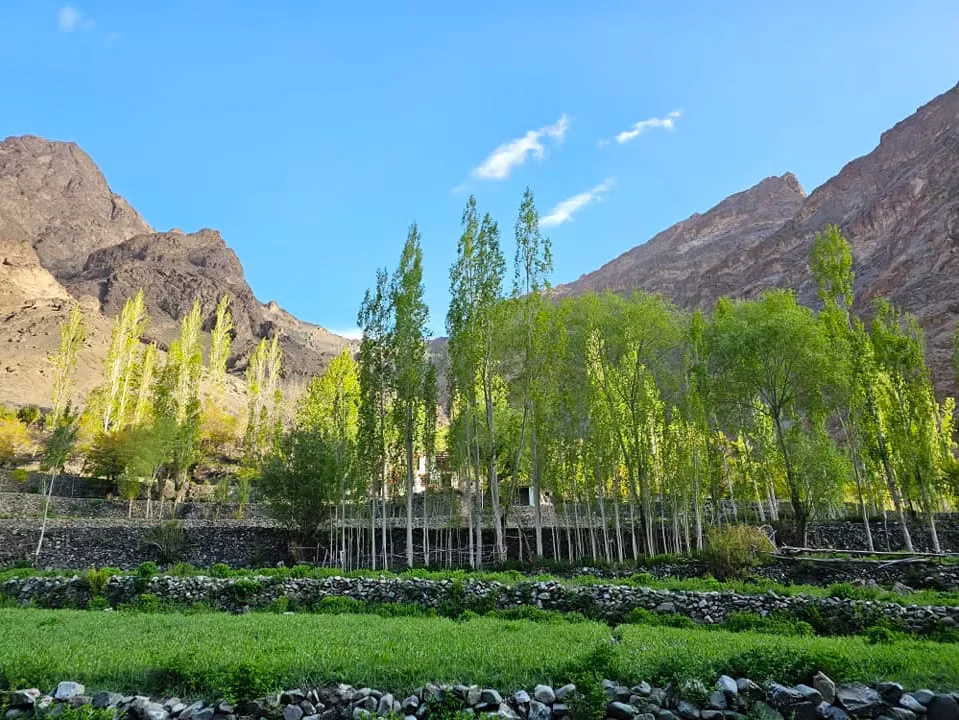
This place, known as Little Tibet, nestled between the two highest mountain ranges in the world – the Himalayas and Karakoram – has been featured in numerous documentaries as a land of happiness and sustainable living despite the harsh natural conditions and climate.
In the past, Ladakh was a transit stop on the Silk Road trade route between Asia and Europe. With its special position on the Himalayas, Ladakh connected Central and South Asia, East and West Asia, and served as a bridge between the Islamic world and Buddhist nations.
Ladakh was closed to the outside world until 1974 when it opened to tourists. Since then, Ladakh has continuously "developed" and attracted attention not only from tourists but also many filmmakers, especially documentary filmmakers, scholars, researchers, and NGOs who came to study, research, and work, contributing not only to the region but also sharing their works and films with the world to better understand this mysterious land.
After Tibet fell under Chinese control, Ladakh became particularly attractive to those researching Tibetan culture, as besides having deep cultural connections with Tibet, Ladakh is a land where the majority of the population practices Tibetan Buddhism, with large numbers of Tibetan refugees living throughout Ladakh, especially in the capital Leh with 12 refugee settlements.
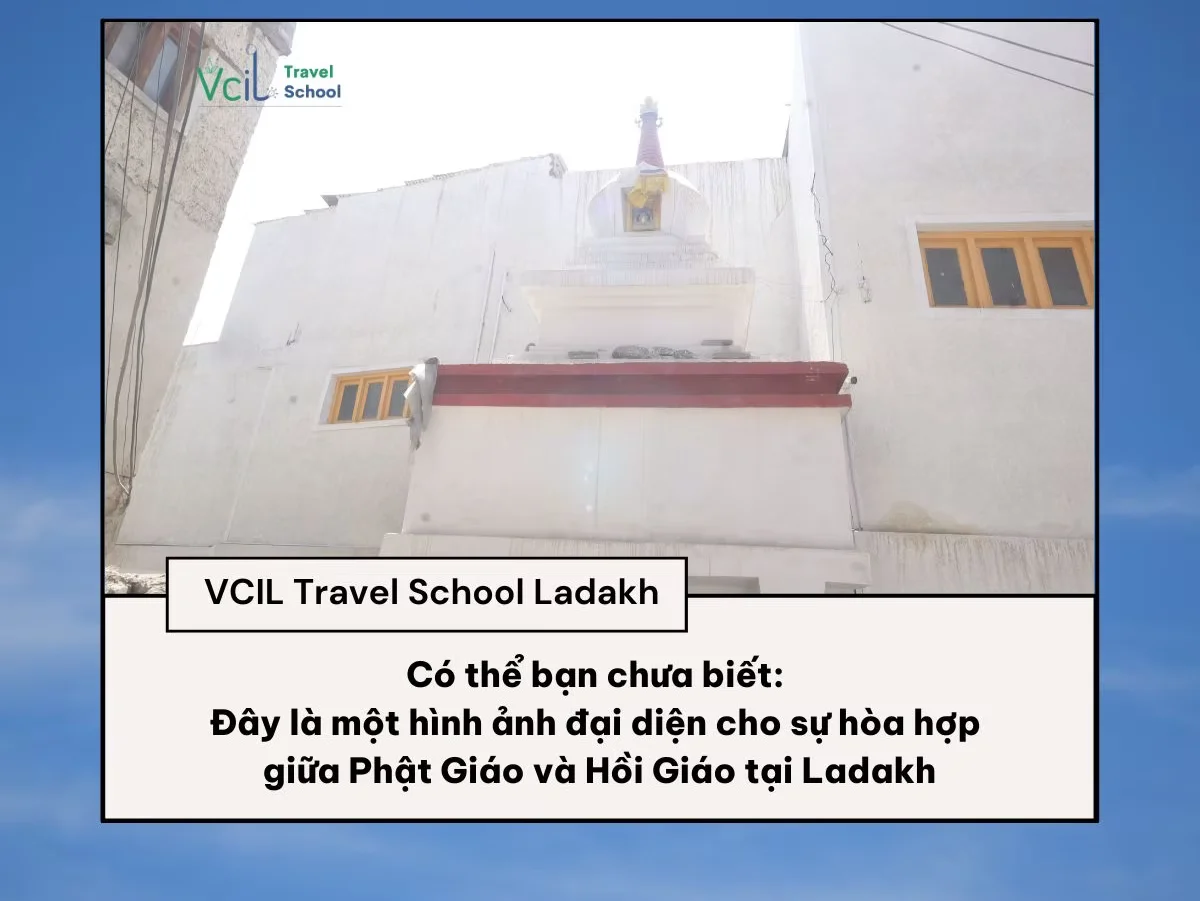
Due to its extremely unique geographical position on the Himalayas, serving as a bridge, the religions, ethnic groups, and cultures are equally diverse. The eastern population of Leh mainly follows Tibetan Buddhism, while the western population in Kargil follows Islam, making Ladakh's religious heritage remarkably diverse.
Today, Ladakh is also an important Indian military base due to its strategically special position between Pakistan and China's Tibetan region, with border conflicts always simmering. Indian government military zones are found throughout Ladakh.
On another hand, Ladakh is a tourist destination attracting large numbers of tourists annually. The economy has shifted from self-sufficiency with sustainable indigenous architecture using earth, stone, and wood to dependence on mass tourism businesses, with cement and steel hotels and guesthouses springing up everywhere.
Many tourists come to Ladakh, but few spend enough time and experience to truly understand and connect with the land and people here, to see the reality of mass tourism problems, climate change, unsustainable economic development, and the efforts of local people and international friends to build and regenerate this important and beautiful land for future generations.
✨ WHAT MAKES Vcil Travel School Ladakh VIII DIFFERENT?
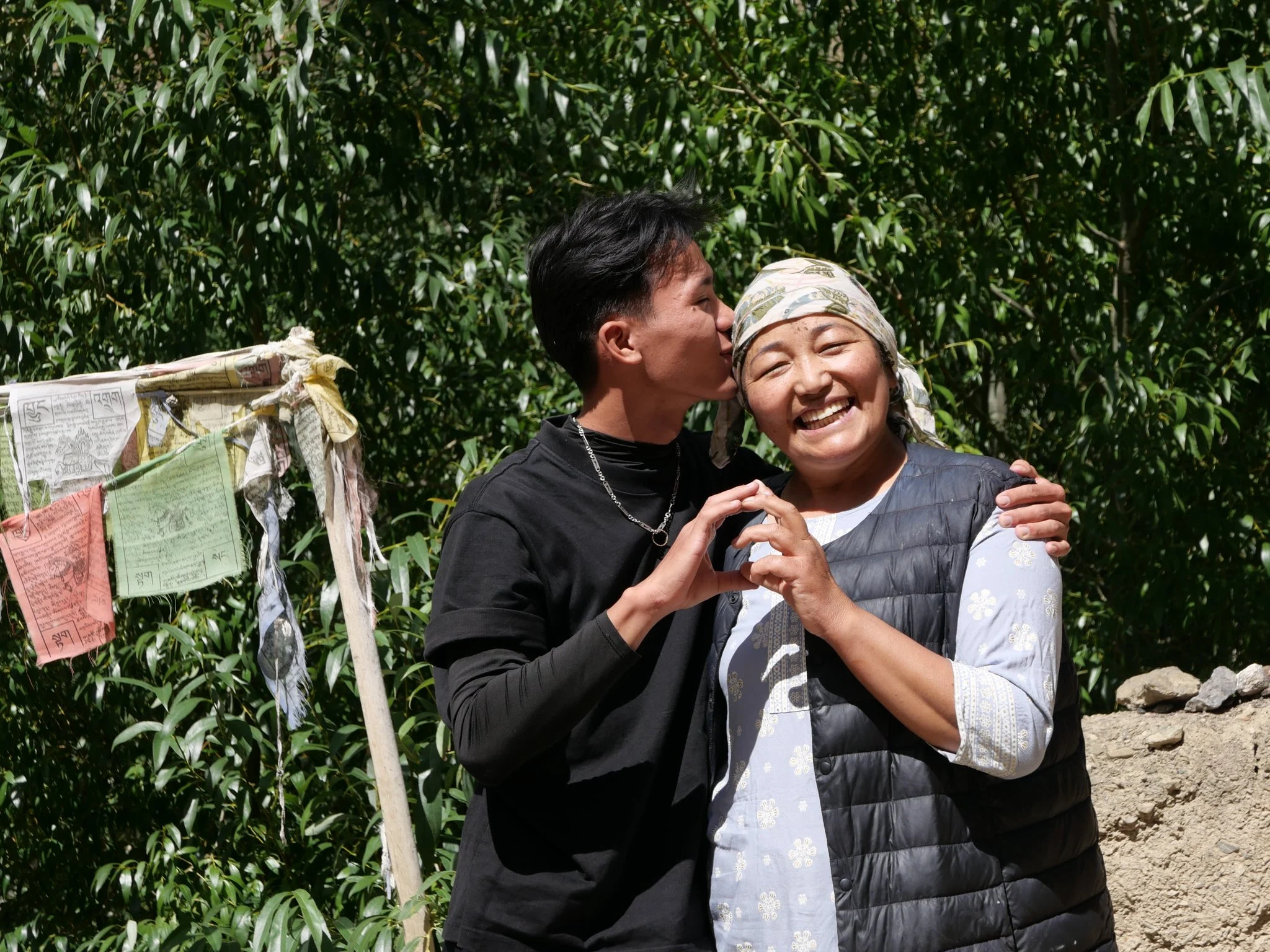
We were truly struck by a Ladakhi friend's remark: "In tourists' photos of Ladakh, the faces of Ladakhi people are missing."
Vcil Travel School: Ladakh - Mindful Travel & Sustainable Living was born to change this reality, to bring a more complete and profound image of Ladakh, so that both tourists and local people benefit from educational tourism, so that the region's tourism and economy become more sustainable, and so that we connect more deeply with the people and land while learning about the solutions Ladakh is researching and applying in sustainable development, natural building, renewable energy, clean food, and climate adaptation solutions for harsh high-altitude weather.
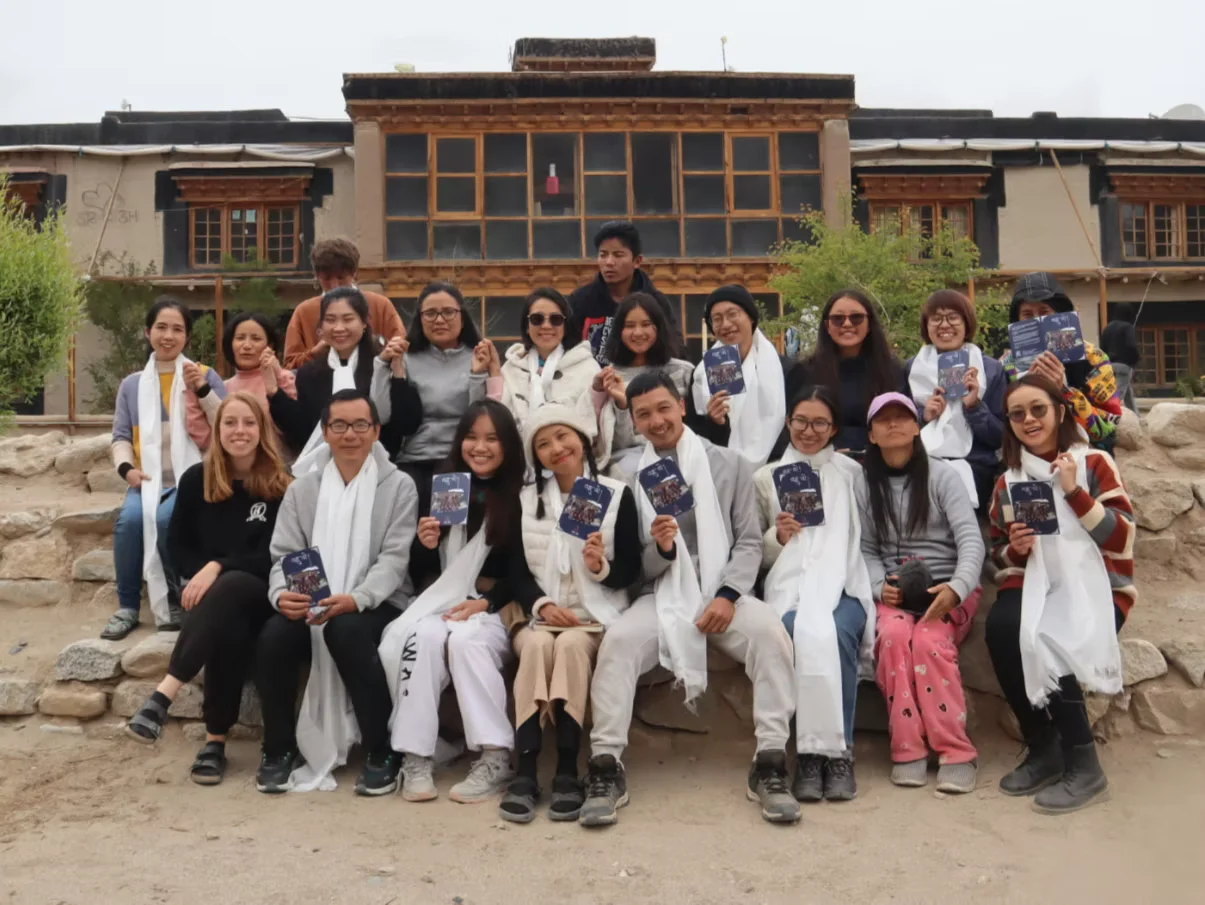
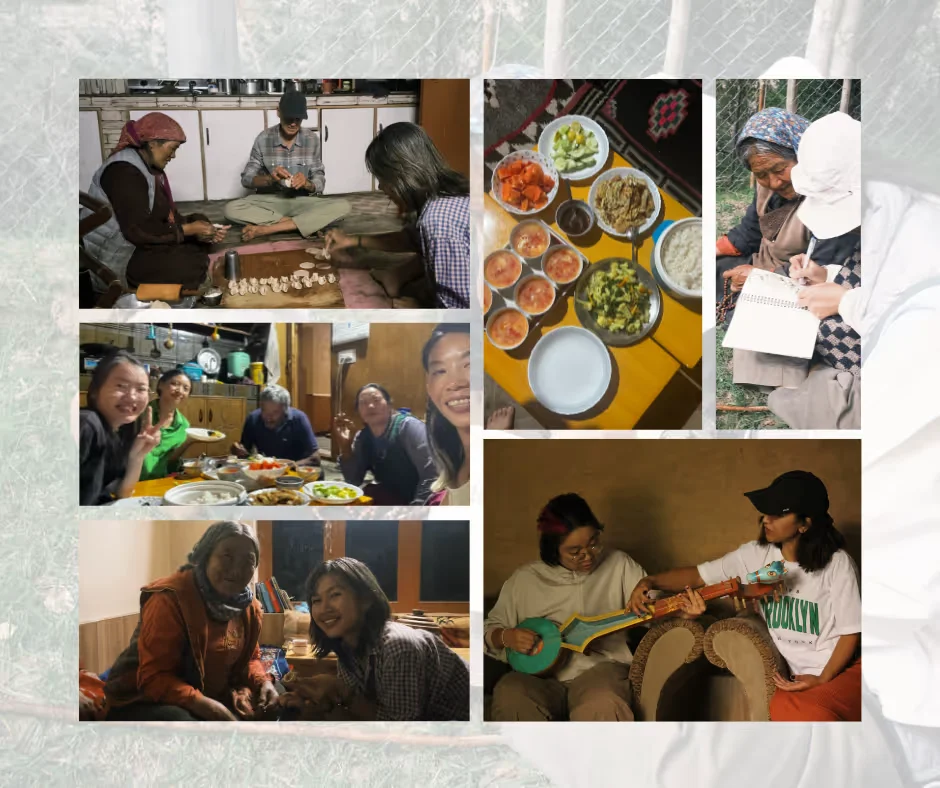
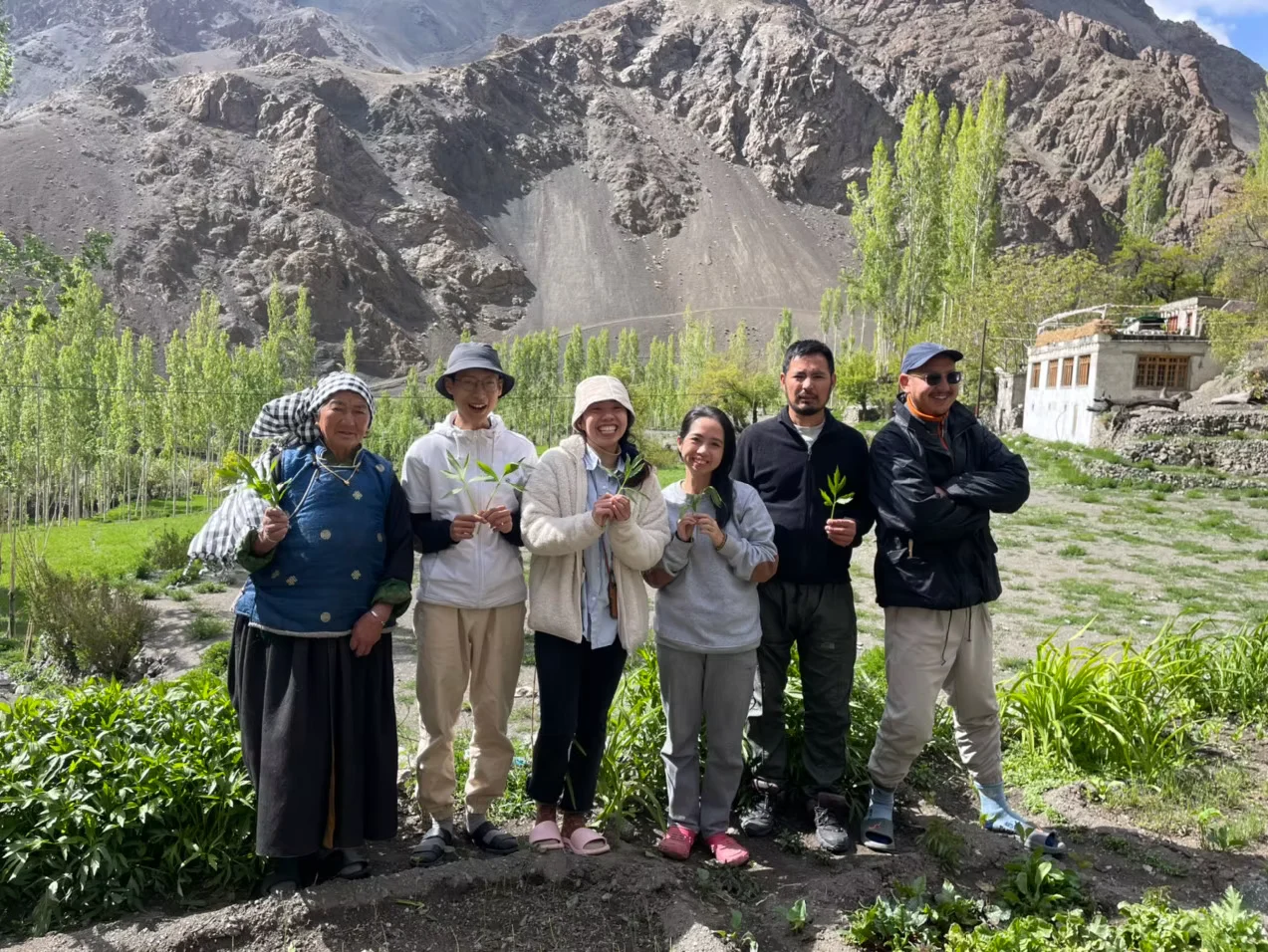
Throughout the 14 days of the program, we invite you to practice slowing down on your journey of discovery, connecting more with Ladakhi people, eating together, living together, and working together with locals.
- We invite you to explore the beauty of natural landscapes with the Nubra Valley, Khardung La Pass – one of the highest motorable passes in the world, centuries-old monasteries seemingly carved into cliff faces, and the labyrinthine old quarter with buildings made of earth, stone, and wood.
- We invite you to stay with students at an alternative education school specifically for students who "failed the 10th grade exam" – the school that inspired the film "3 Idiots," participate in learning workshops, research problems and explore solutions, and practice telling the story of Ladakh differently through your own eyes and personal experiences.
Welcome to the Vcil Travel School journey in Ladakh!
Tentative Itinerary
Day 1: Arrive in Leh.
Rest and acclimatize to Ladakh's environment and climate at 3,500m altitude
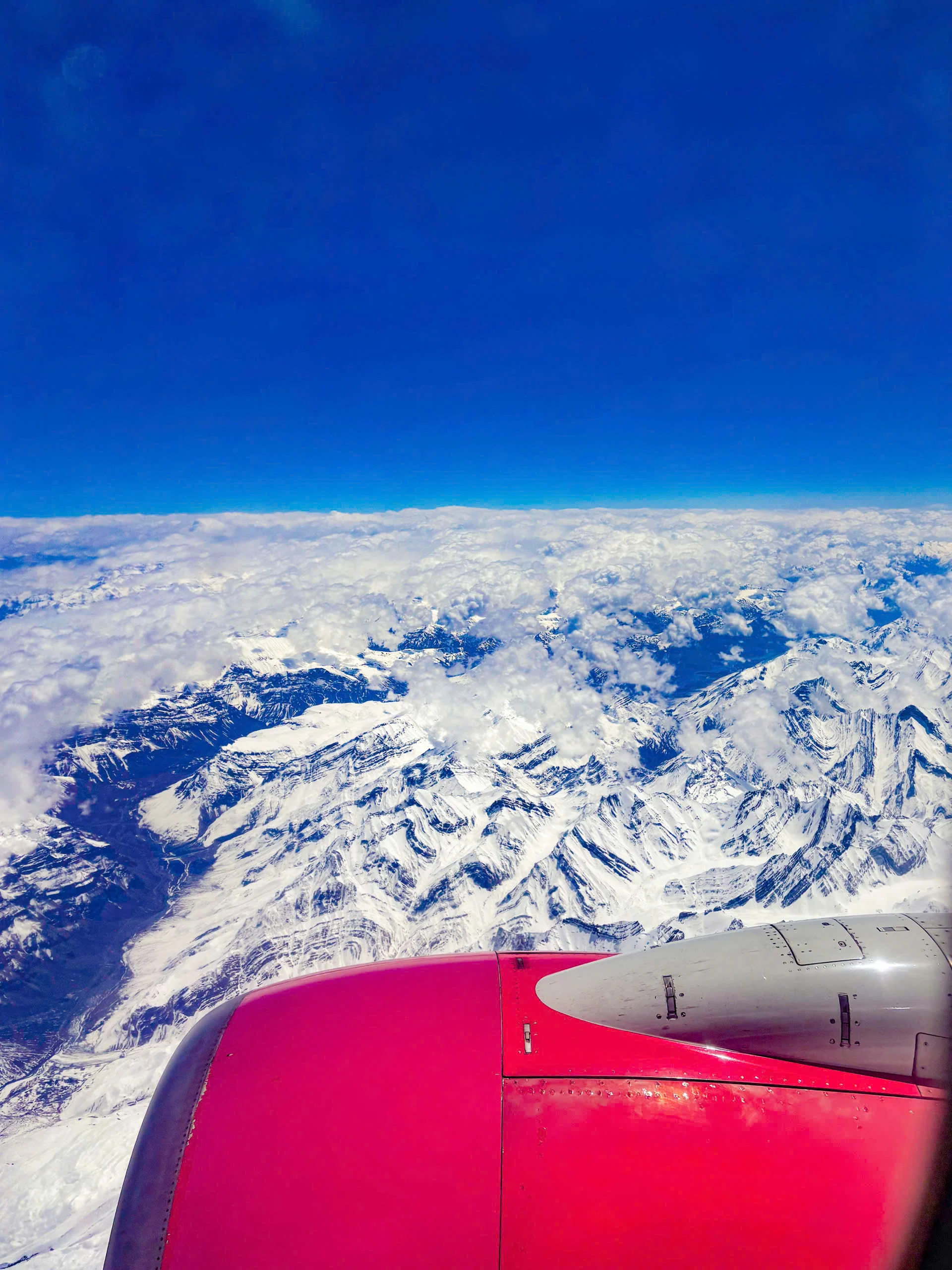
Day 2: Explore & learn about Leh
The capital of Ladakh (Leh past and present) – FOUNDATIONAL KNOWLEDGE ABOUT THE LAND
- Explore the old quarter and learn about Leh's heritage in the past
- Old Town/Heritage Walk by LAMO
- Leh Palace (optional)
- Central Asian Museum
- LAMO Center
- Workshop on Ladakh + Q&A
- Learn about the current state of development and issues in Ladakh

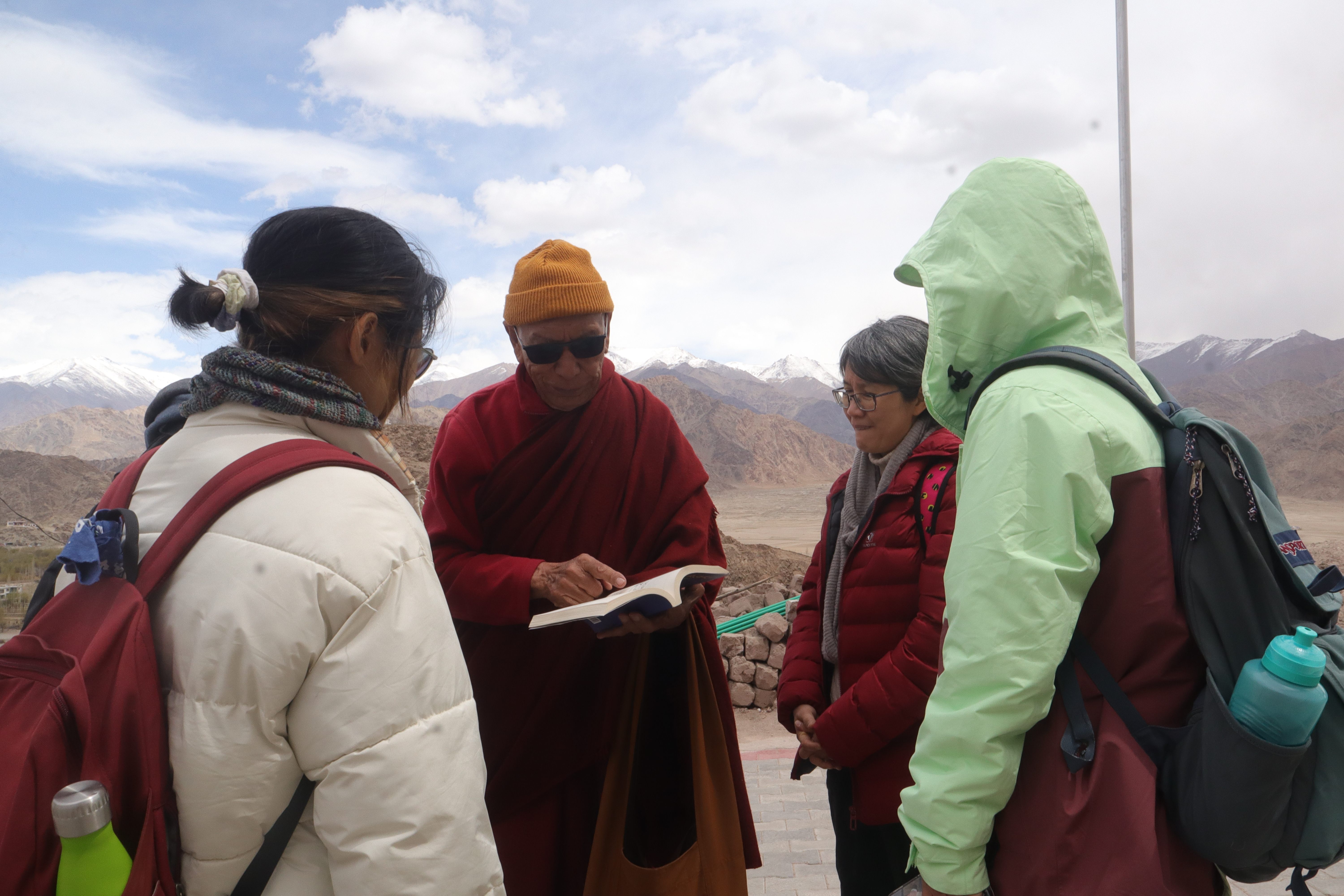
Day 3: Tibetan Buddhism in Ladakh
(The role of Buddhism in the daily life of Ladakhi people)
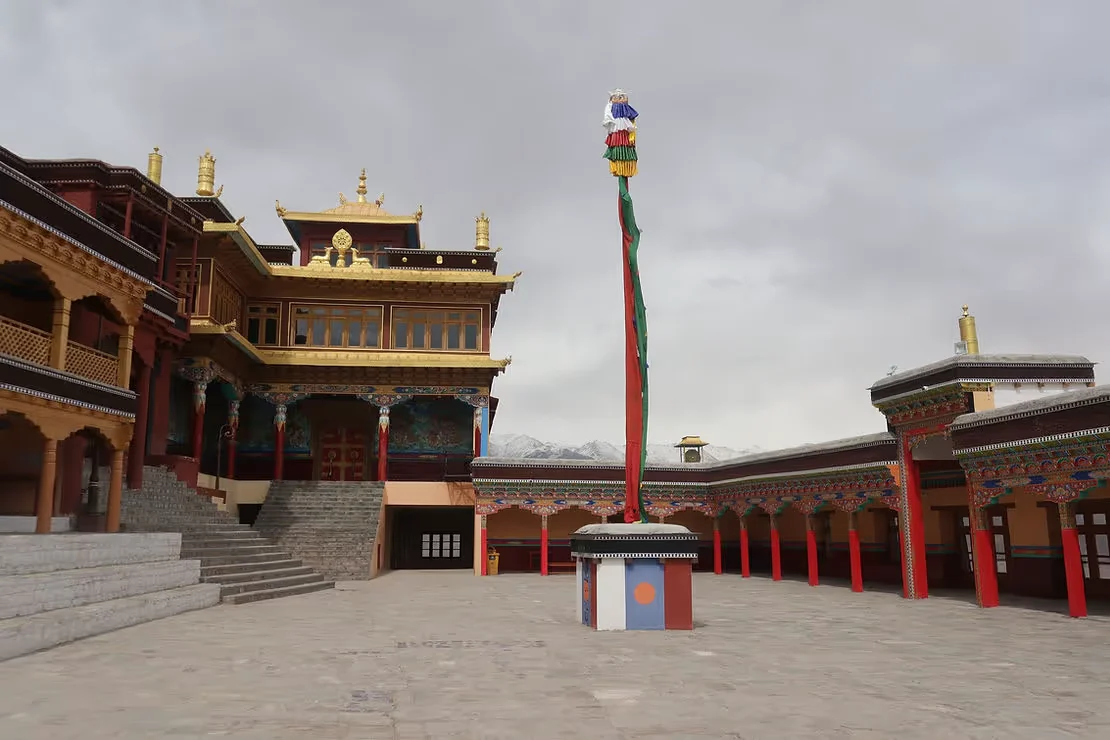
Learn about Tibetan Buddhism in Ladakh, the land known as Little Tibet, through visiting temples and monasteries
Days 4-5-6-7: Indigenous Life
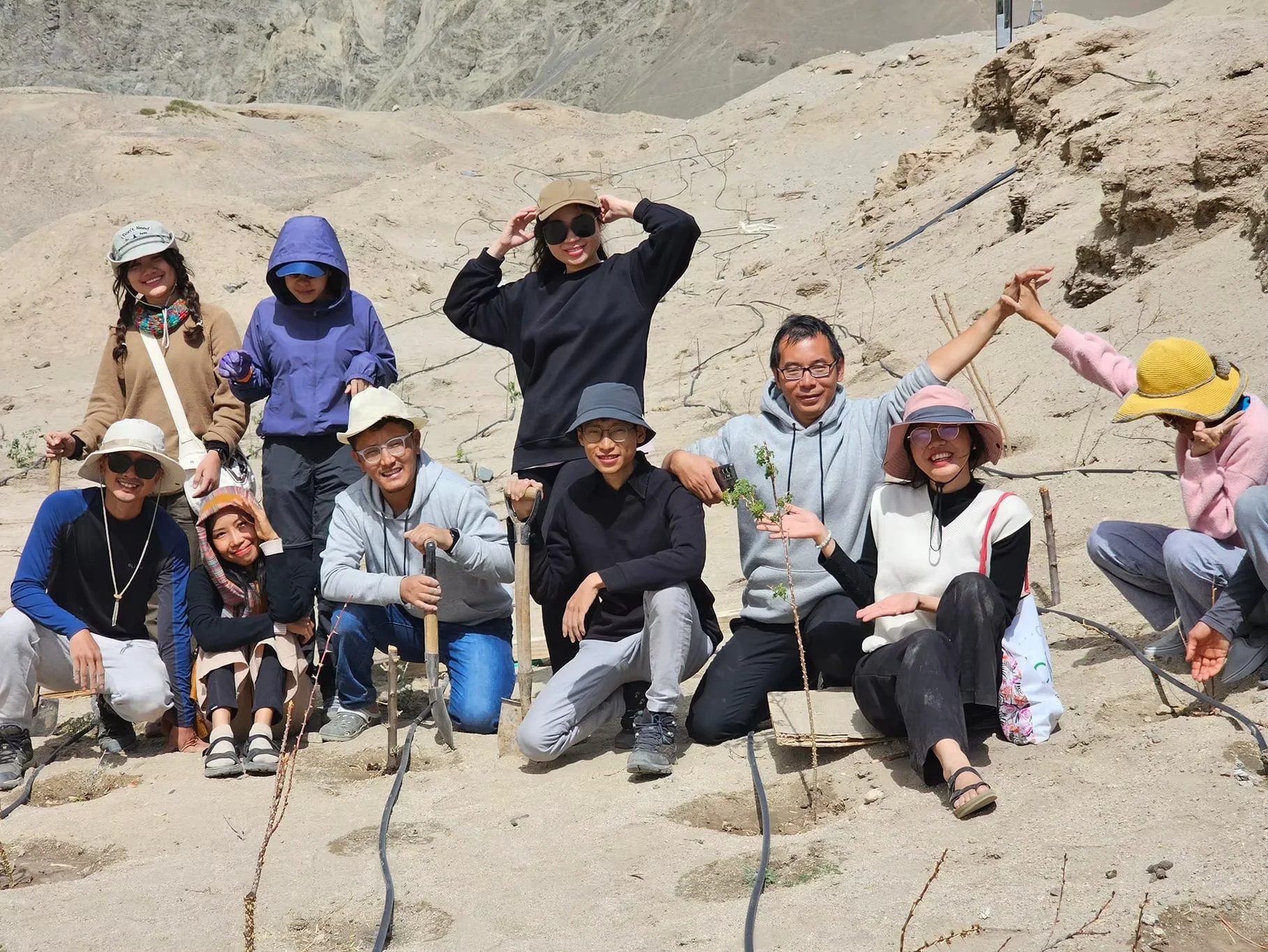
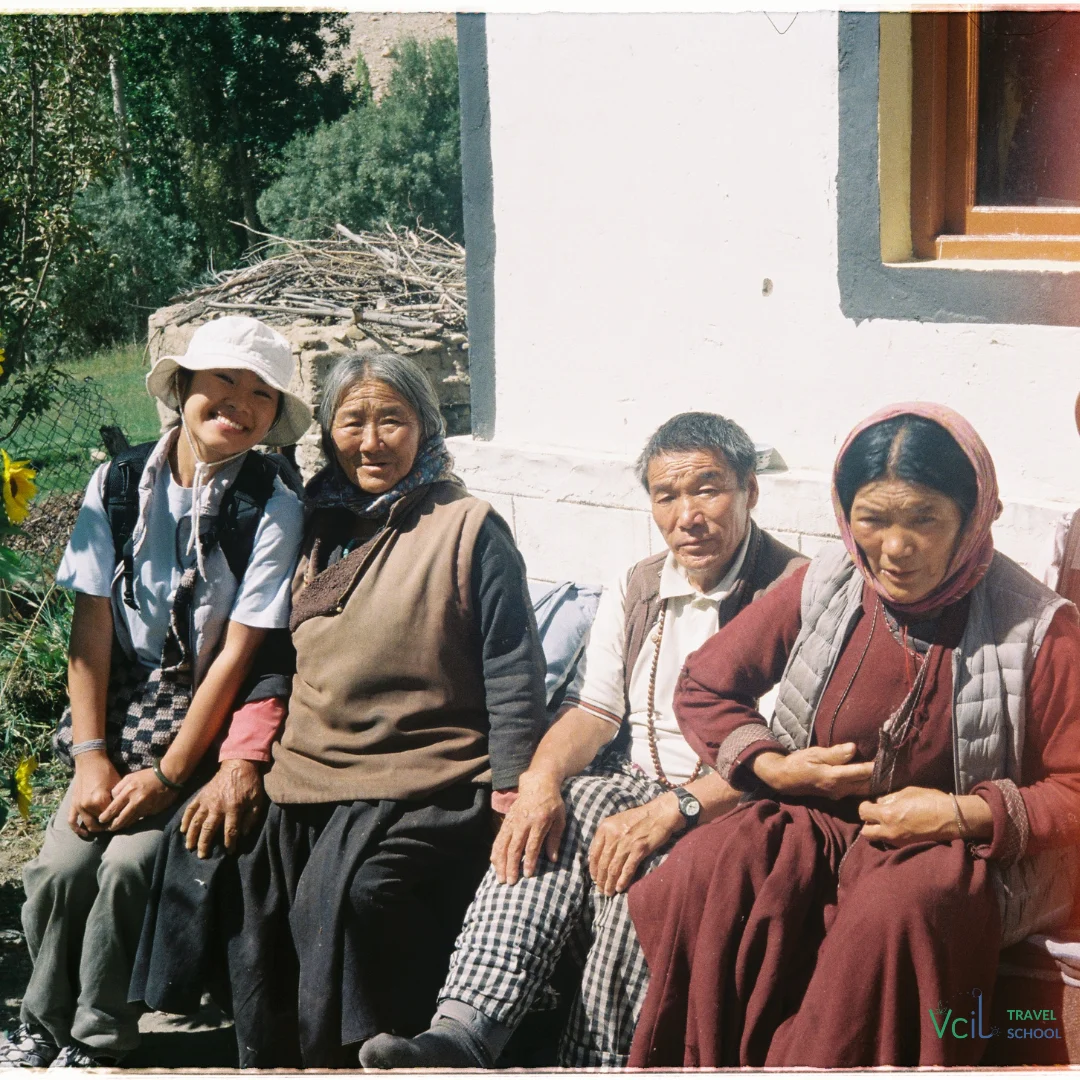
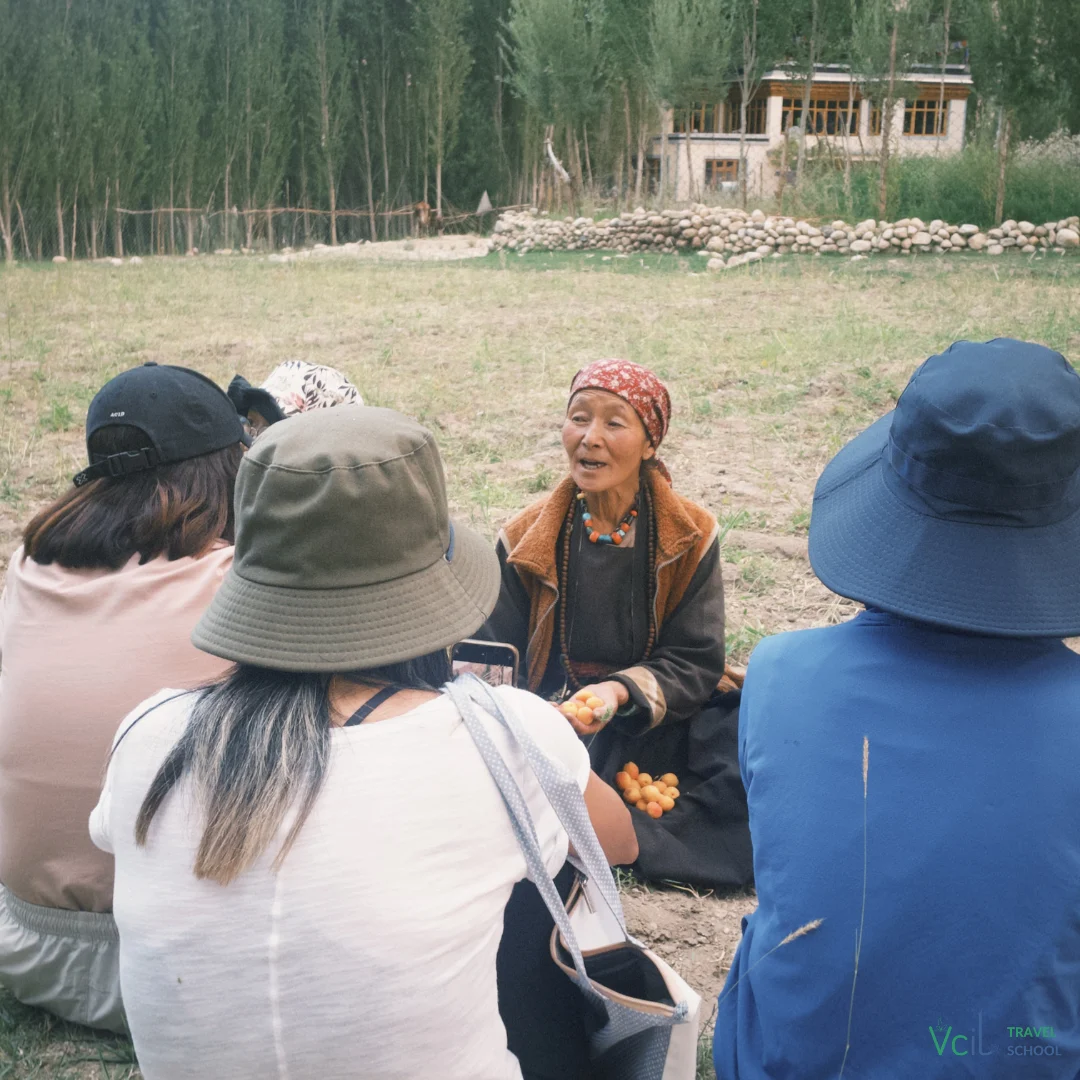
- Live and work with local people in the village
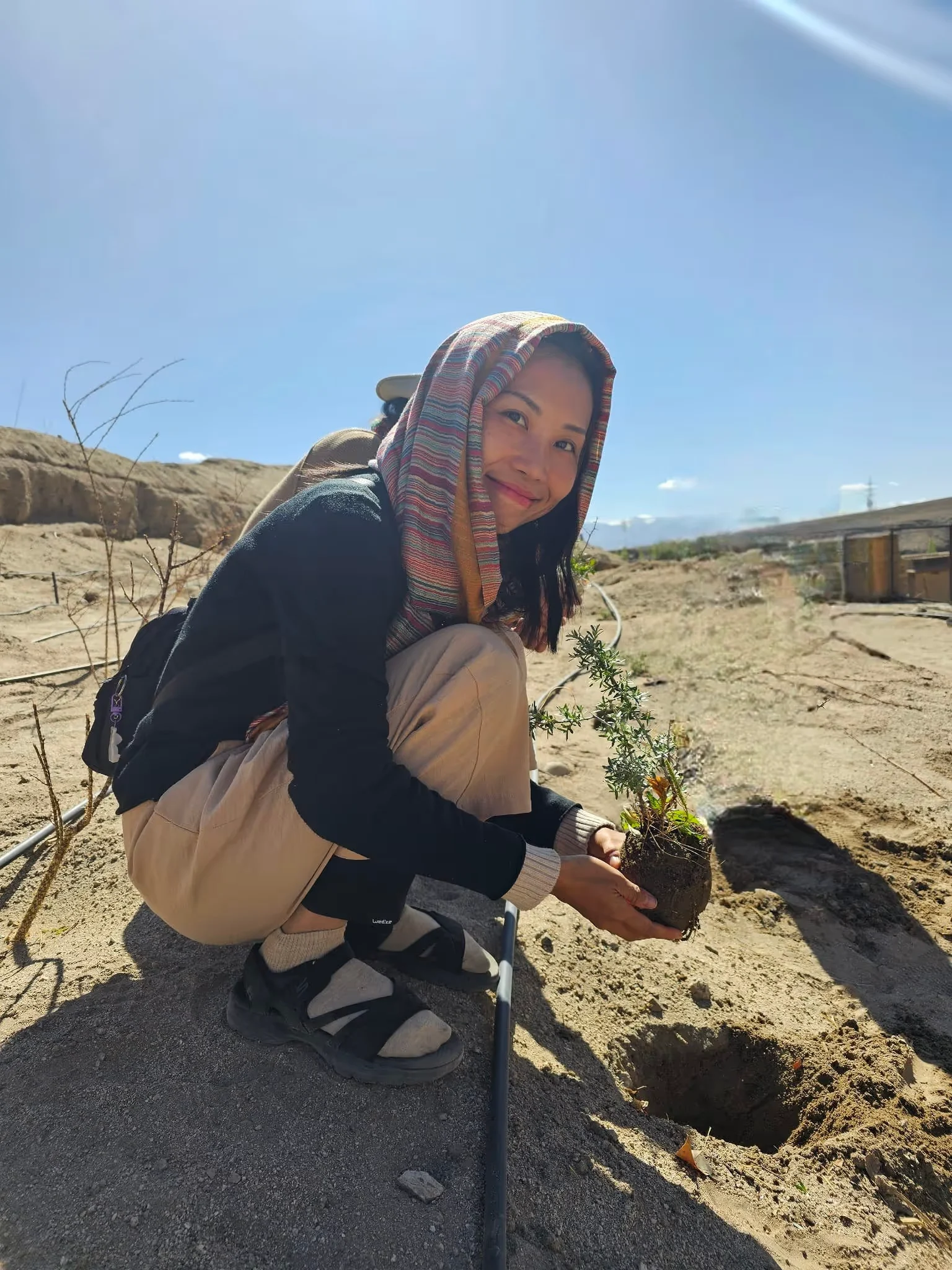
- Learn about traditional agriculture | Sustainable agriculture
- Learn about the sustainable lifestyle of the people
- Learn about traditional, indigenous architecture and housing
- Local Food
*If you register for the 8-day program, you will return to Leh on Day 7 to prepare before flying out the next day.
Days 8-9-10: Alternative Education and Sustainable Solutions at SECMOL
- Experience alternative education and ecological living at SECMOL
- Workshop on ecological living (or natural building)
- Workshop/experience on alternative education

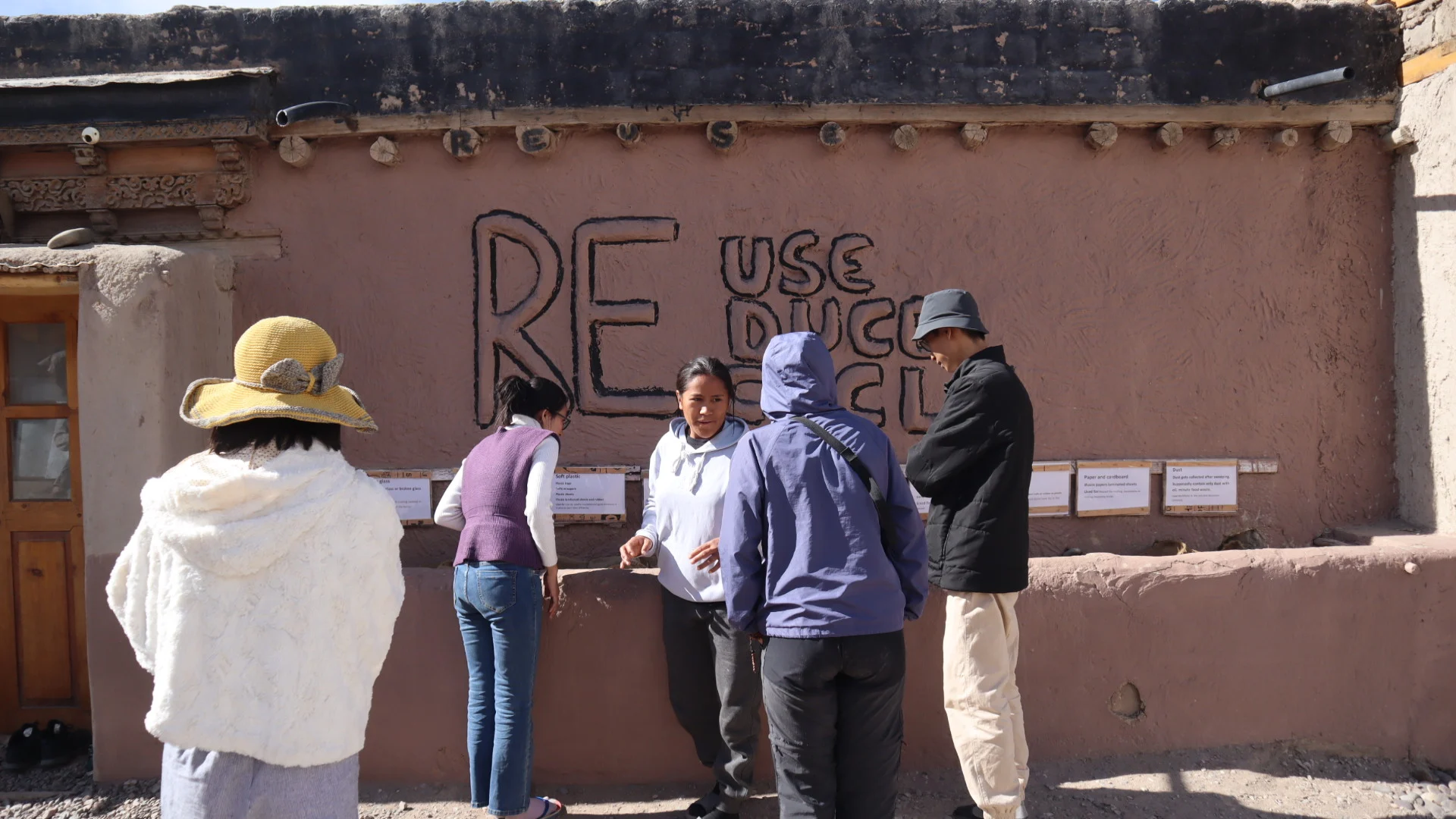
Days 11-12-13: Tourism Development in Ladakh
Day 11: Travel to Nubra Valley
- Khardung La Pass – one of the highest motorable passes in the world
- Diskit Gompa
- Hunder / Sand Dunes
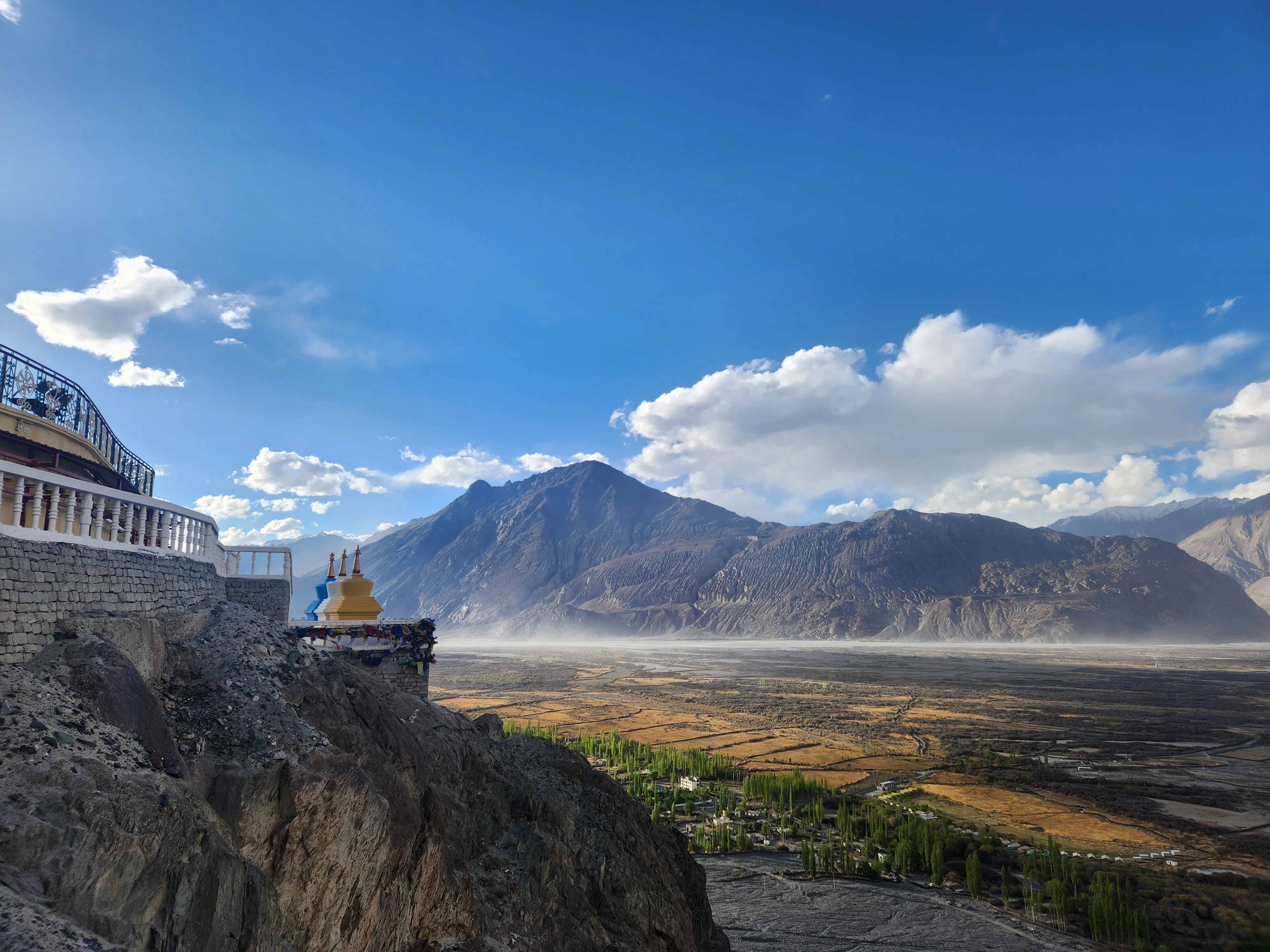
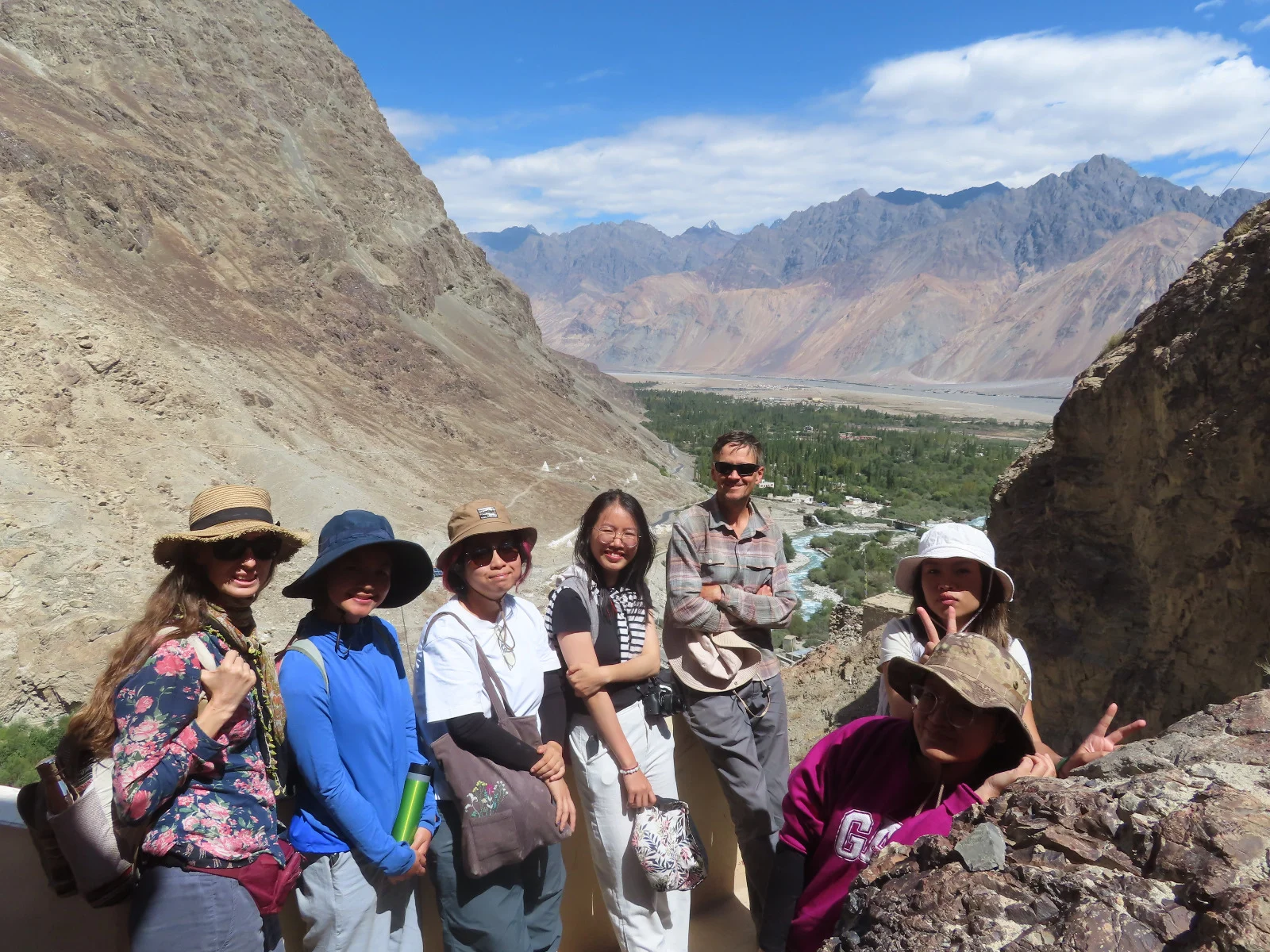
Day 12: Explore Hunder/Diskit and local life amidst tourism development
- Stay and converse with local people
Day 13: Return to Leh & reflect on sustainable tourism
- Discussion on the current state of tourism development in Ladakh
- Sustainable tourism development solutions and connection to each person's local context
Day 14: Return home.
* The above is the tentative program; content may change slightly depending on actual circumstances.
* Organized by: Vcil Community (Vietnam) & Local Futures
* In partnership with: LAMO Center, SECMOL
* Duration: 14 days and nights
Vcil Travel School in Ladakh offers two options:
+ Full program (14 days): August 10–23, 2026
+ Short program (8 days): August 10–17, 2026
Cost
Participation fee for Members:
- Full program (14 days): 840 USD (equivalent to 24,360,000 VND)
- Short program (8 days): 610 USD (equivalent to 17,690,000 VND)
Participation fee for the public:
- Full program (14 days): 1,000 USD (equivalent to 29,000,000 VND)
- Short program (8 days): 690 USD (equivalent to 20,010,000 VND)
Financial support: Vcil Community also provides financial support for individuals in need.
Includes:
1) Accommodation and transportation as per the program itinerary in Ladakh
2) Three meals per day throughout the trip
3) Learning materials and logistics
4) Travel insurance
5) Program organization and design costs
6) Guest speaker and guide costs
7) Permits for restricted areas in Ladakh
Does not include:
1) Round-trip airfare to Ladakh
2) India visa fee
After completing the registration form, based on criteria suited to the program, we may contact you for an interview for the trip.
Important Notes
- The program can only take place if at least 5 participants register with full organizational fees.
- At altitudes above 3,500m, with cold and dry weather year-round, participants should ensure their health before and during participation.