You are using the member interface.
Log out of the member interface →

#VCIL MEMBERS’ TALKS #9: UNSCHOOLING - A JOURNEY OF LEARNING, UNLEARNING & PARENTAL GROWTH
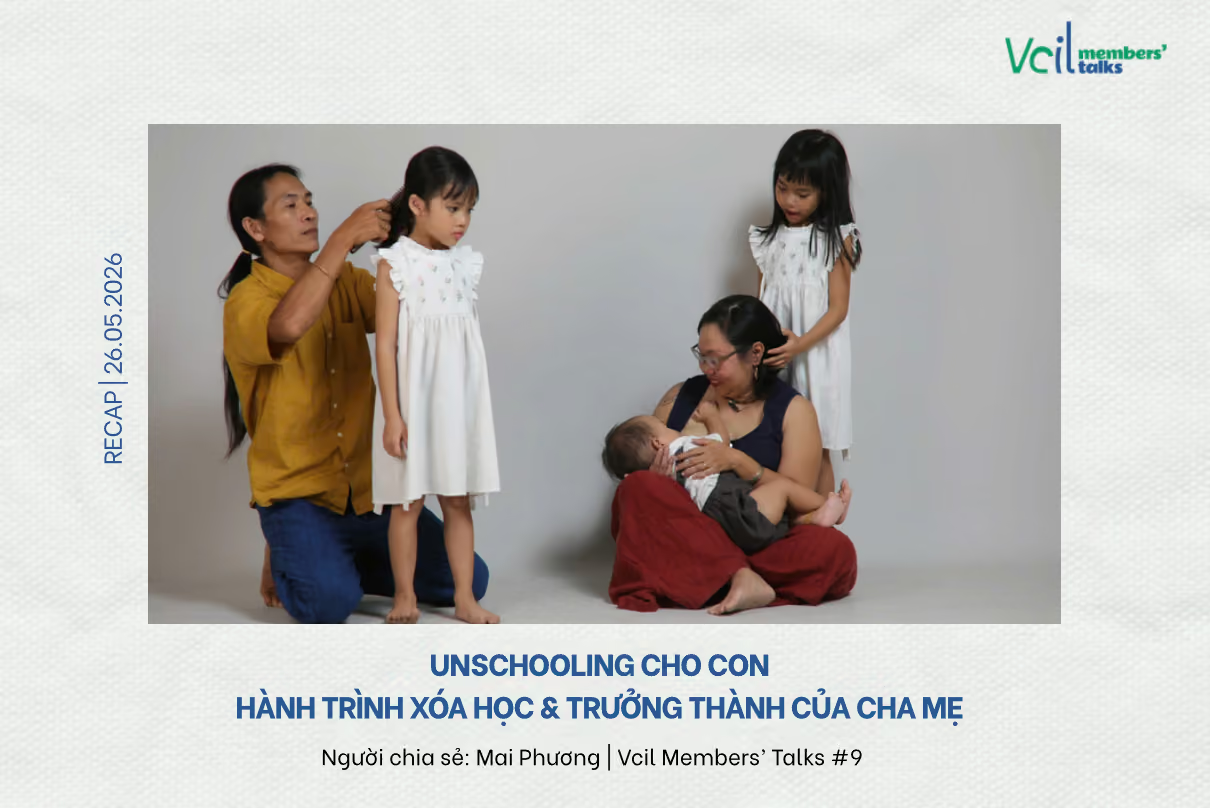
On the evening of May 26th, the session titled “Vcil Members’ Talks #9: “Reimagining Parenting: How My Children Taught Me to Be a Mother Through Unschooling” took place with guest speaker Mai Phuong, a member of the Vcil Community. Phuong shared her journey of choosing unschooling for her children, along with practical experiences from applying this philosophy and approach with her three kids. For her, this path has not only transformed how she raises her children but has also fundamentally changed her as a parent.
The conversation did not focus on “how to teach children,” but rather on the journey of questioning what is often taken for granted in education, parenting, learning, and the roles of parents—thereby opening up new possibilities for learning, childhood, and a child’s developmental journey.
From childhood memories to the decision to unschool
Opening the session, Phuong invited everyone to recall a food associated with their childhood. Some remembered scorched rice, others remembered steamed rice cakes, or the snacks sold outside school gates. For her, the memory was of the colorful shaved ice from her years growing up in Saigon.
Using this simple question, she led everyone into a deeper reflection on childhood. In her view, childhood memories possess a special vitality. Many events may fade over time, but the emotions we experienced as children often leave the strongest resonance, staying with us well into adulthood. It was by looking back at these memories that she began to ask herself: What truly makes a memorable childhood? What is it that stays with a child as they grow up?
These questions had followed her since her years as an early childhood education student. When she began her internship, she realized she was not just observing how children were educated, but also observing what she did and did not want for her own future children. She gradually realized that what she was looking for was not merely a place to impart knowledge, but an environment where children are heard, respected, and given the opportunity to learn from life itself.
From there, the concept of building a learning environment for children began to take clearer shape. Over the following years, she spent time traveling to many places, meeting different communities, and observing how people grow in very different contexts. These experiences helped her realize that learning does not only happen in school; it is present in relationships, in work, in daily routines, and in the way a community nurtures its children together. She believes that for a child to grow up healthy, it takes more than just a family; it takes a “village” to walk alongside them.
Later, when she started a family and moved from Saigon to Hue, those long-held thoughts began to turn into concrete choices. She was quite surprised that her husband, who had a high academic background and had successfully navigated the traditional education system, was the one who quickly agreed with the decision to keep their children out of school. He realized that degrees do not equate to fulfillment or happiness. More importantly, in his view, is the ability to understand oneself, know what one wants, and proactively seek a path that fits. That belief became the foundation for them both to choose a different approach to their children's education.
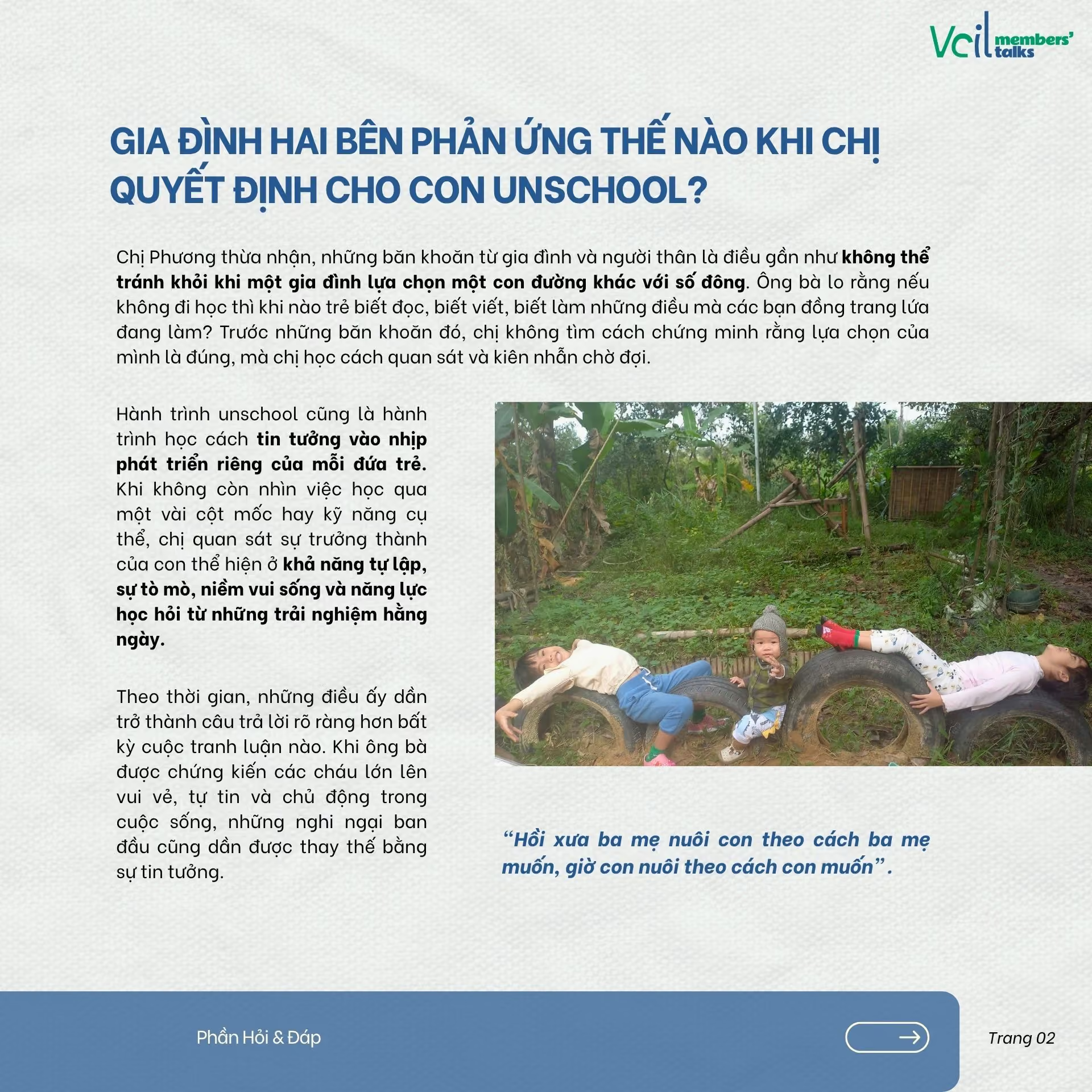
In Phuong’s family life, learning is not separated into a distinct activity. It happens naturally during daily tasks: while grocery shopping, cooking, meeting others, or during trips. Life is not time spent outside of learning; on the contrary, life is exactly where learning takes place.
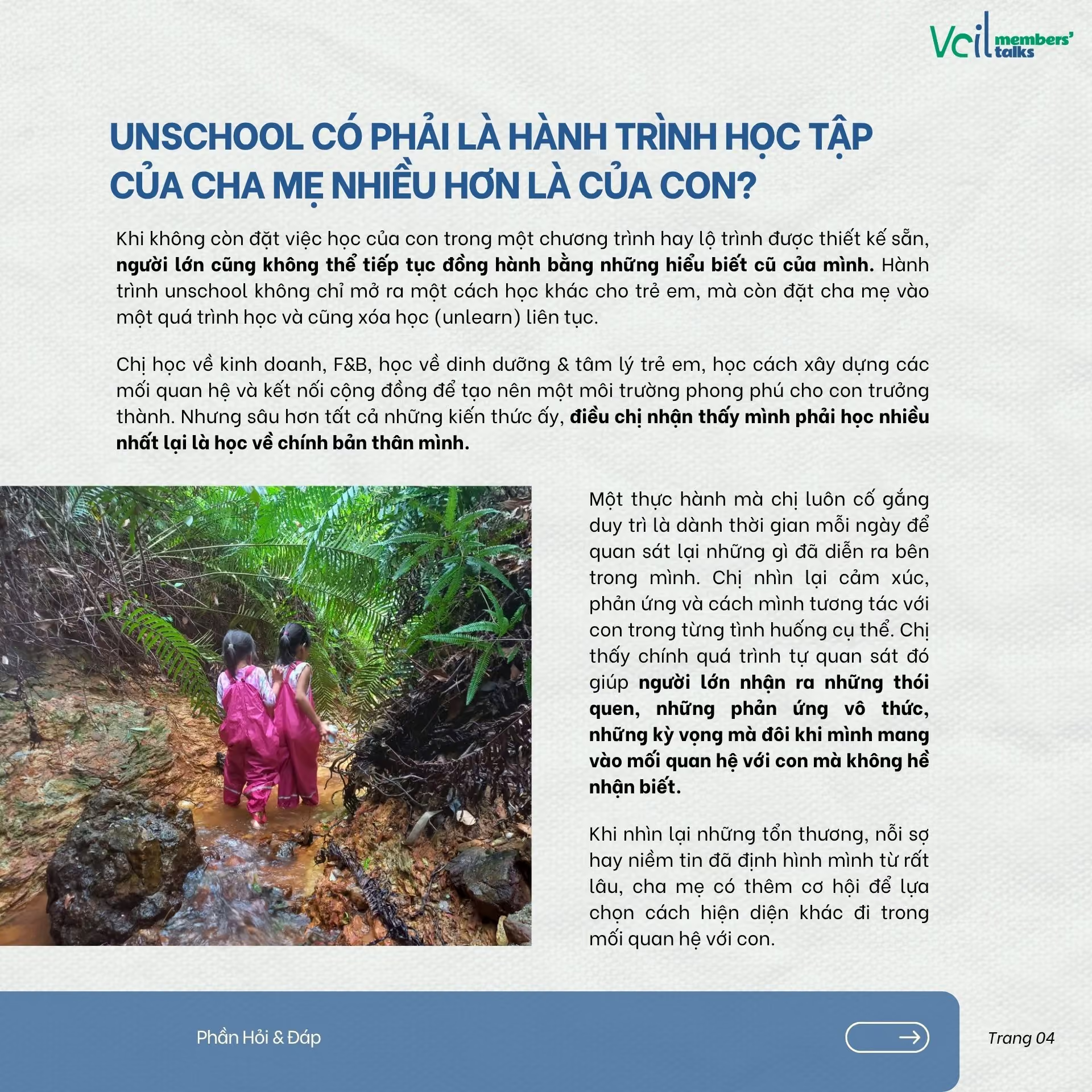
Behind the choice to unschool, perhaps the most important thing is not where the children learn, but how adults perceive what learning is. For Phuong, education is not the process of filling a child with pre-packaged knowledge. It is the process of creating conditions for the inherent potential within the child to gradually unfold. And on that journey, the ones who change the most are sometimes not the children, but their parents.
___
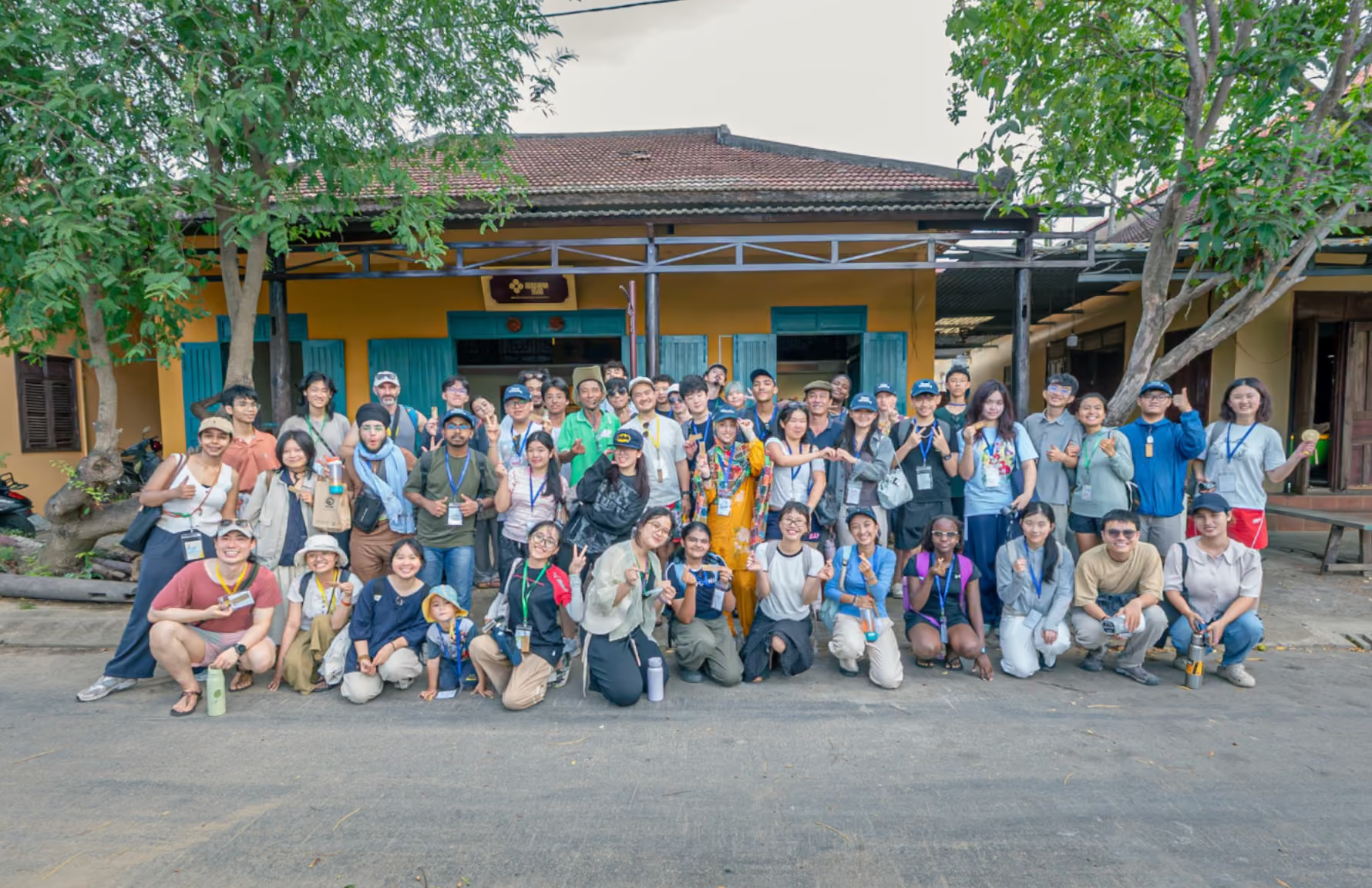
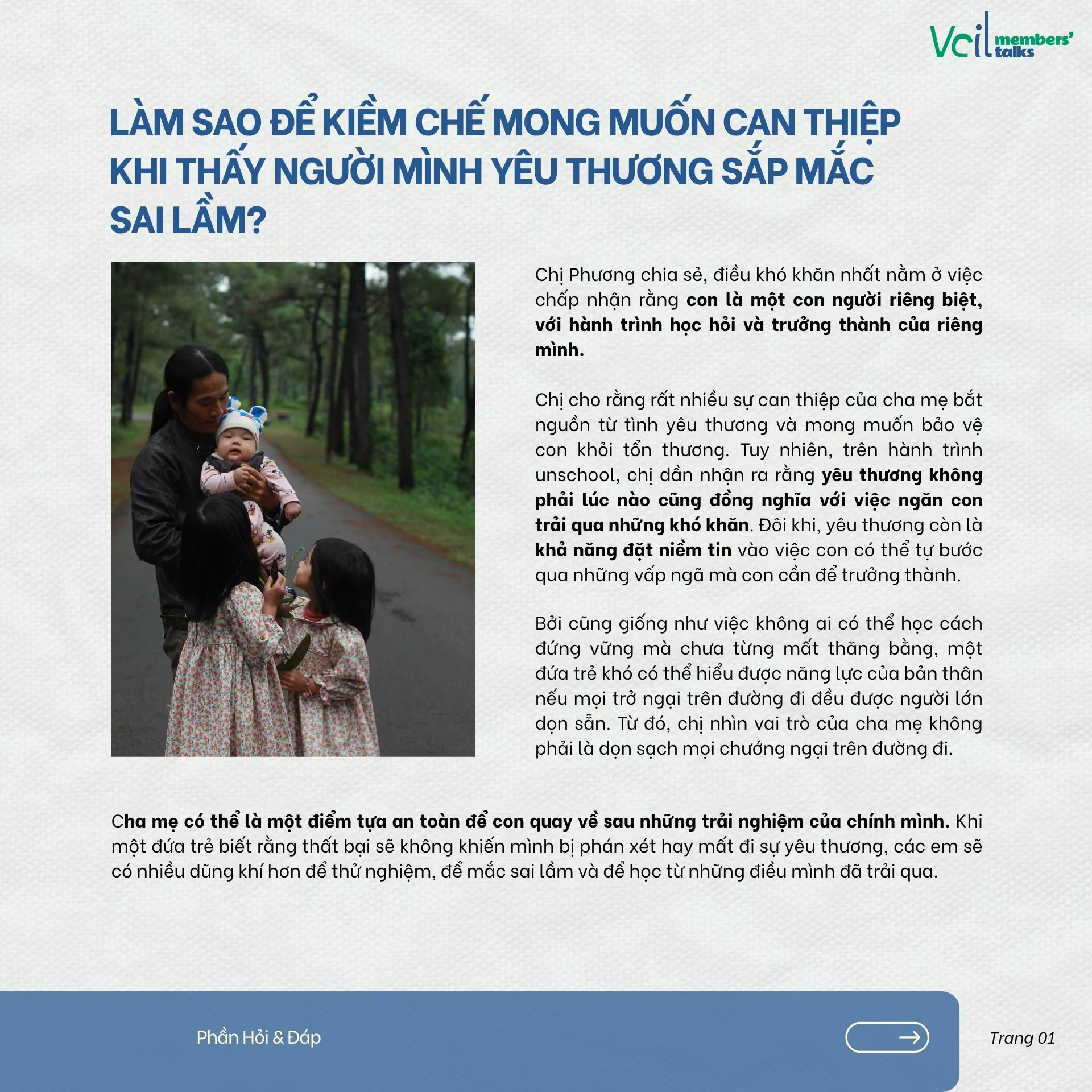
After sharing her childhood experiences, her concerns about traditional education, and her early preparations for choosing unschooling, Phuong continued the conversation through a Q&A session with attendees. From practical questions about parenting and dealing with social pressure to building discipline at home, the discussion expanded into deeper reflections on trust, love, and the role of adults in the lifelong learning journey.
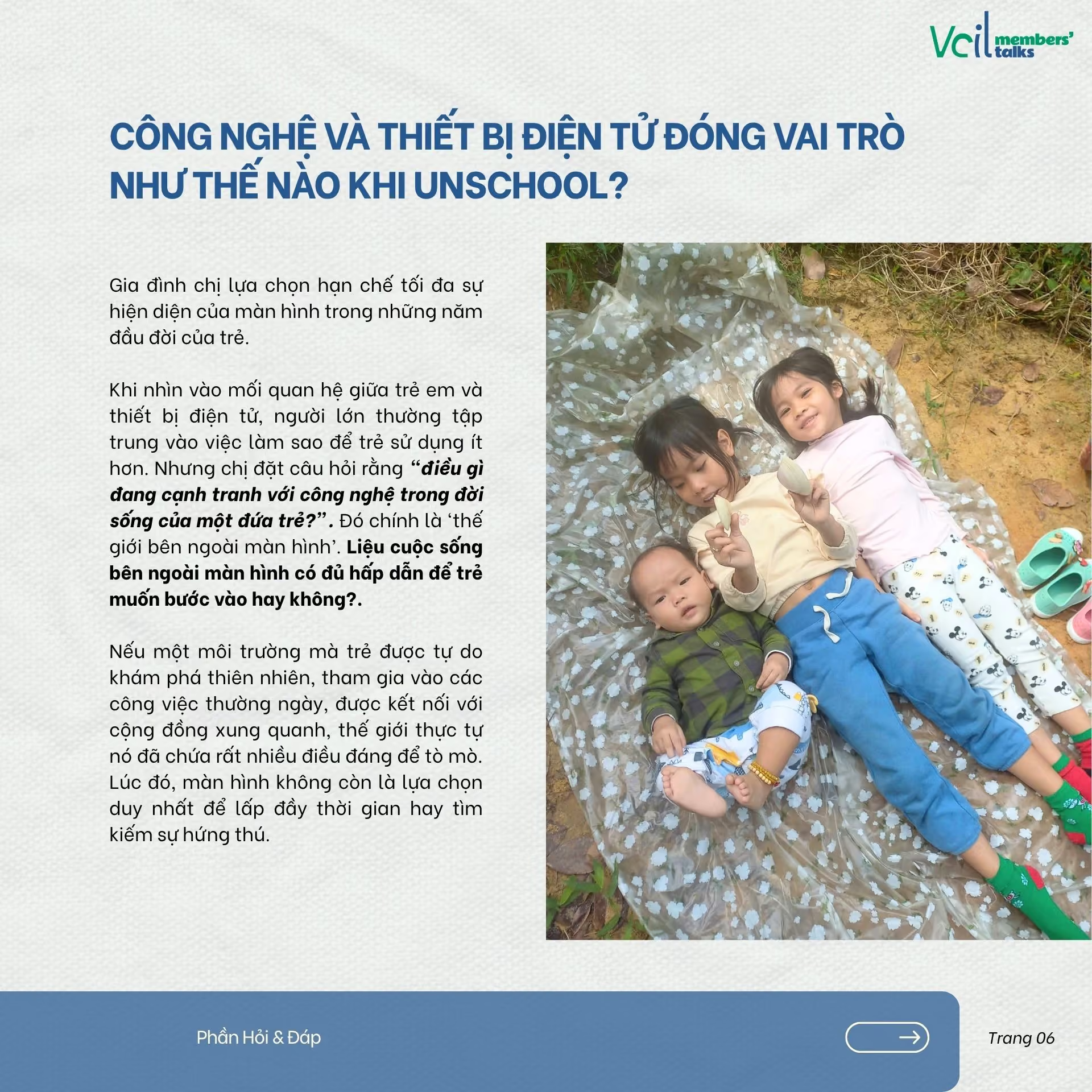
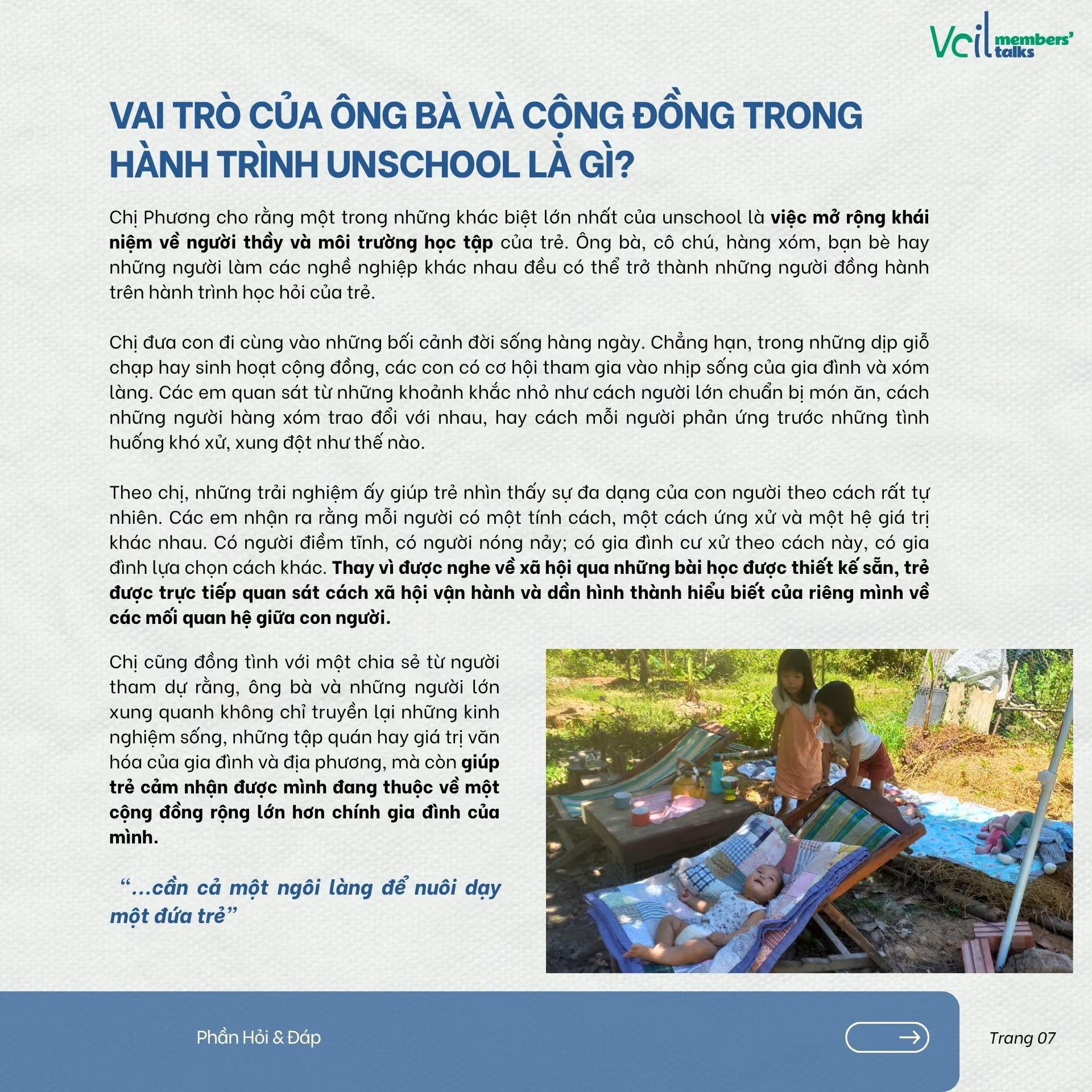
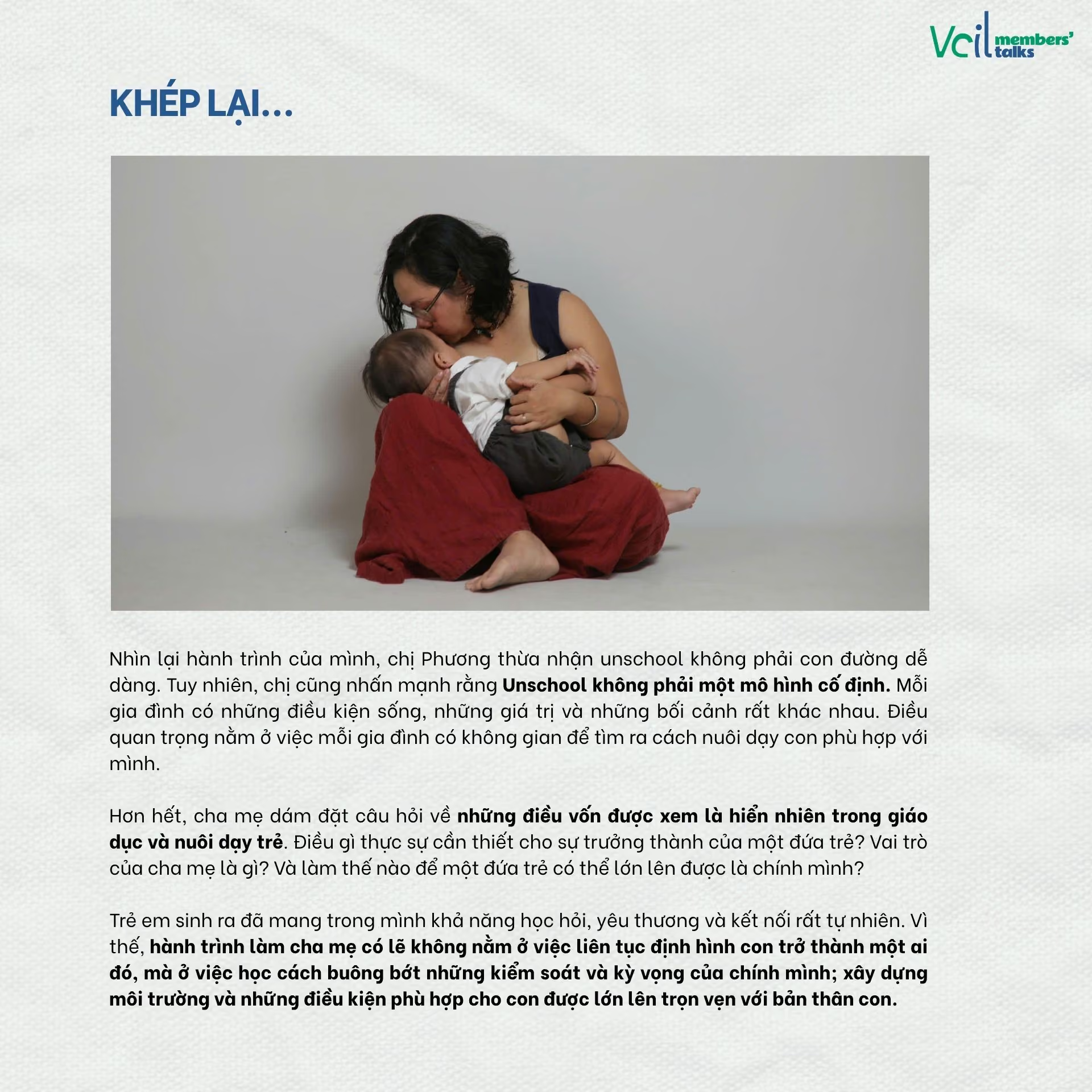
Check out some of the highlights from the Q&A session in the photos below!
_______
☎️GET IN TOUCH
Vcil Members' Talks is a monthly public event series where stories, initiatives, and regenerative models from the Vcil community are shared. It is more than just a place to listen; it is a space to learn together, expand your network, and foster a spirit of collaboration for a regenerative future.
Details about Vcil Members' Talks #10 will be announced soon on our Fanpage. Follow our Zalo group, Substack, or Facebook page to stay updated.
You can also watch the recording of Mai Phuong's session here:
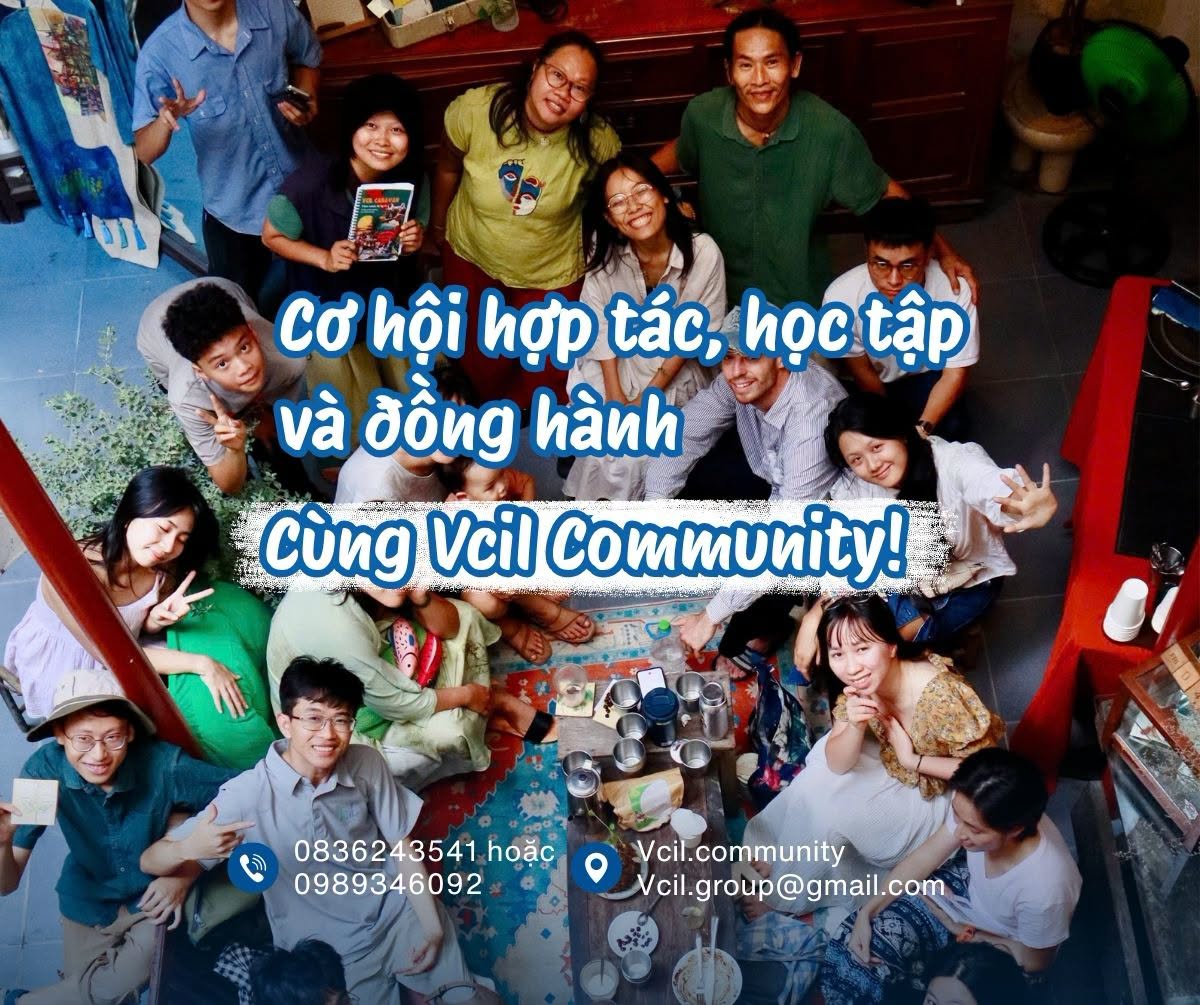
If you are interested in sustainable/regenerative production models or connecting with individuals, organizations, and communities dedicated to creating a flourishing and regenerative society, the Vcil Community invites you to explore and join our Vcil Community Membership for opportunities to live, learn, work, and collaborate with like-minded members.
#VcilMemberTalks #VcilCommunity #Unschooling #AlternativeEducation #Parenting

Vcil Members' Talks are a series of public sharing event