You are using the member interface.
Log out of the member interface →
 ← Bản tin
What does a good life look like?
What does it mean to be a good person?
These are the two big questions posed in “Doing Good: For Self, Society and the World” – a short-term experiential course by United World Colleges (UWC) Short Courses, organized by Education for Good.
In a rapidly changing world facing multiple intersecting crises, the program does not provide a ready-made definition of a “good life” or a “good person.” Instead, young people are invited to question, experience, learn, and co-create their own answers.
The spirit of the program is regenerative – connecting the wisdom of the head, the heart, and the hands, while nurturing human relationships with the land, with others, and with the wider society.
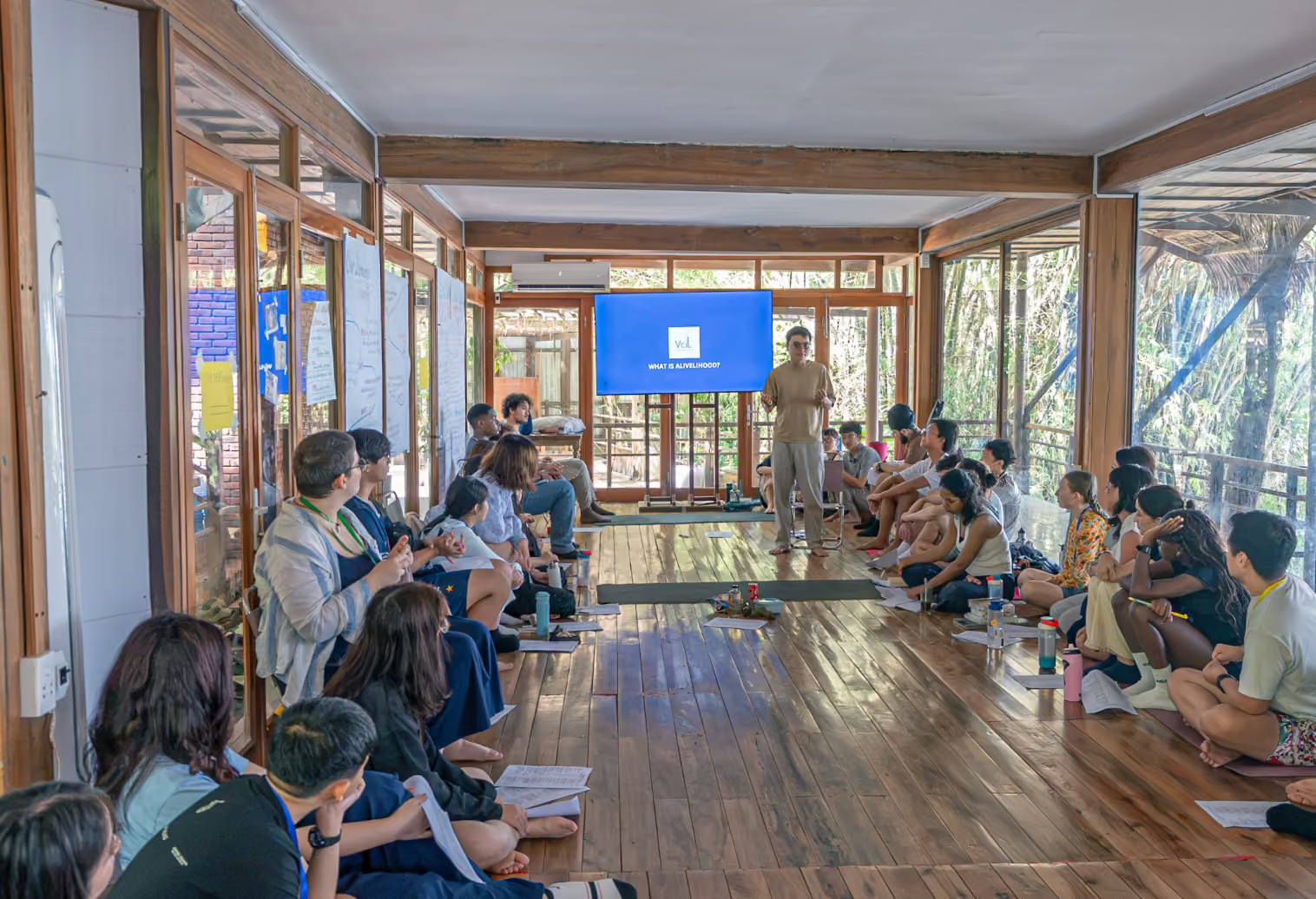
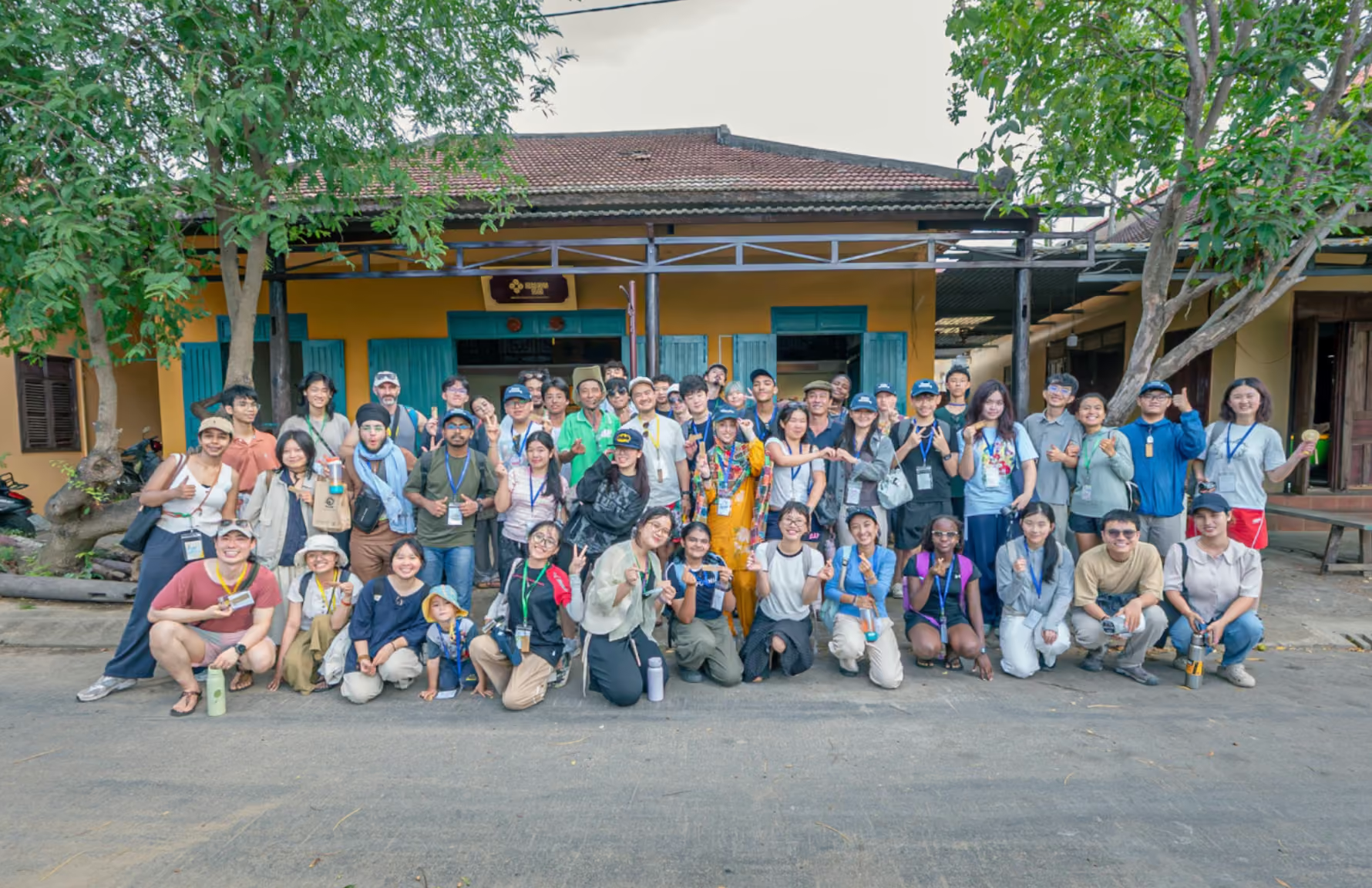
On July 29, 2026, Vcil Community had the honor of partnering with Education for Good to host a day of learning in Hoi An centered on the themes of economic sovereignty and deep connection. Together with the students, we started with simple questions about how we live, leading to a much larger one:
How can we collectively create meaningful livelihoods and a meaningful economy?
The morning began with the items and necessities we use every day: food, consumer goods, and things that seem like a normal part of life.
Instead of just asking “What is this?”, we challenged the young participants with three questions:
Where does it come from?
What was it made for?
What impact does it have on human health, society, and the ecosystem?
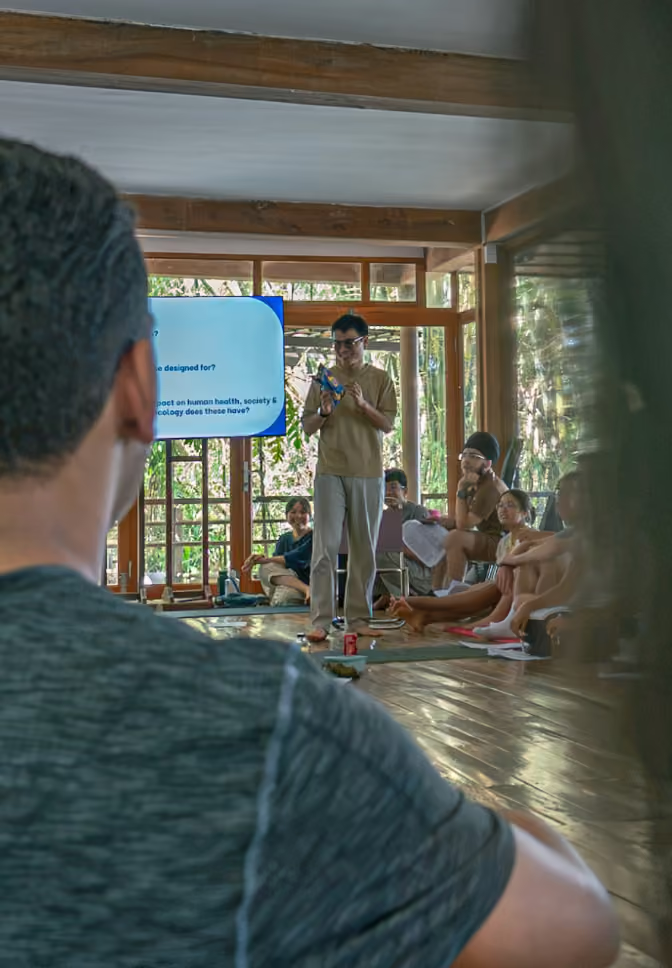
From these everyday questions, we began to look deeper into the economic system surrounding us. It is a system often driven by constant growth, where many environmental, health, and social costs may not be fully reflected in the price of a product.
Specifically through food and our consumption habits, the young people were invited to re-examine the economic systems that quietly shape how we work, consume, live, and envision a good life.
Because every daily consumption decision is not just a transaction, but a vote. Every time we choose to buy a product, use a service, or support a producer, we are sending a signal about the system we want to continue nurturing. But if every dollar we spend is a vote, what are we voting for?
And more importantly, what kind of economy do we want to build?
Drawing from the stories and practices of Vcil Community and our network, we shared different ways of living, working, and paths to a livelihood that are currently being tested in real life.
These practices suggest a possibility: we don't just live within an economic system, but we can also gradually participate in reshaping it.
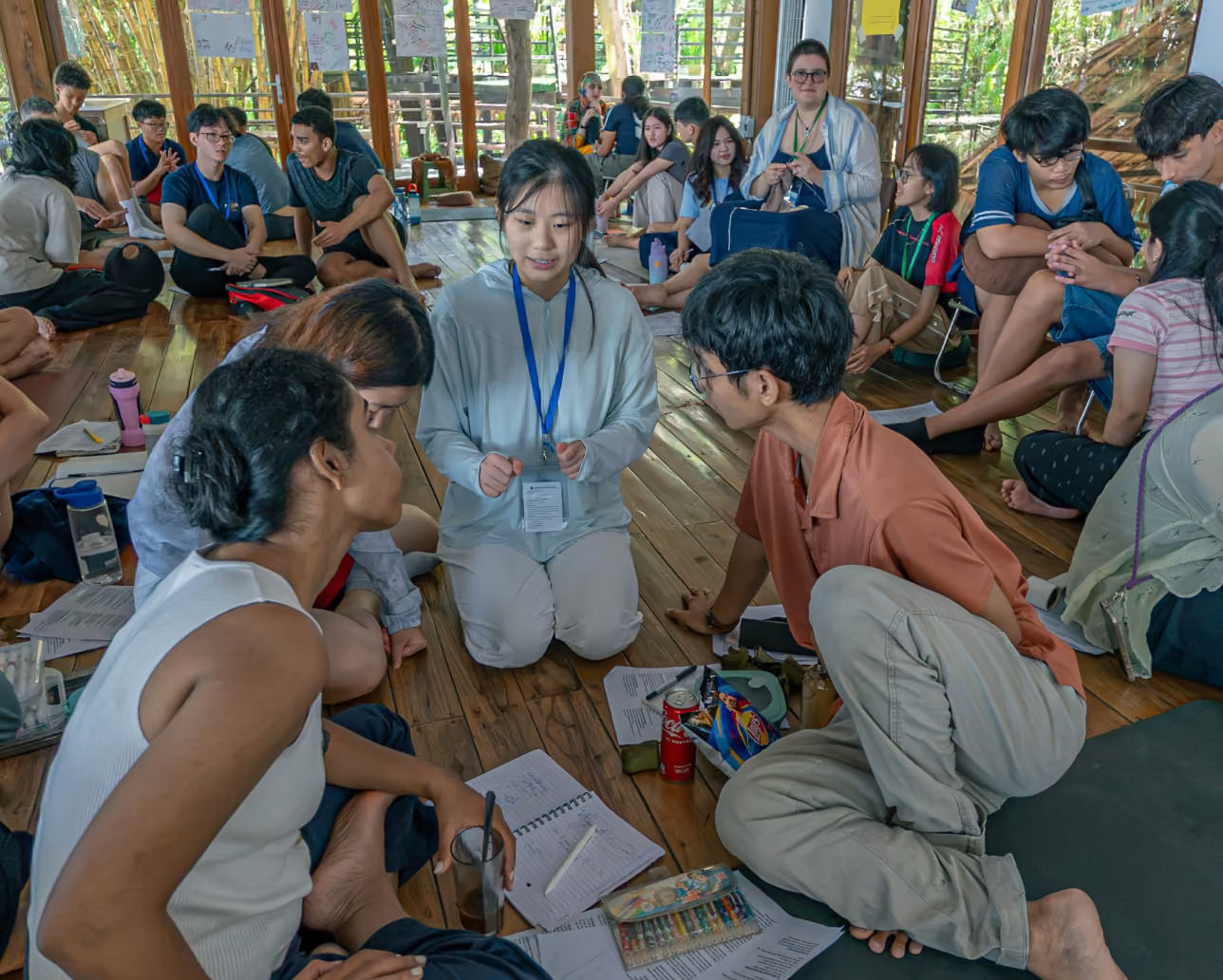
If Vcil helps you see the systems surrounding you, then The Soil Project brings the questions closer to each individual:
Who am I?
How do I want to live?
What kind of society do I want to live in?
Instead of seeking answers through theory, you explore these questions through three modes of learning that have become part of The Soil Project's journey:
Learning from within – Learning from others and the world – Creating from what has been learned.
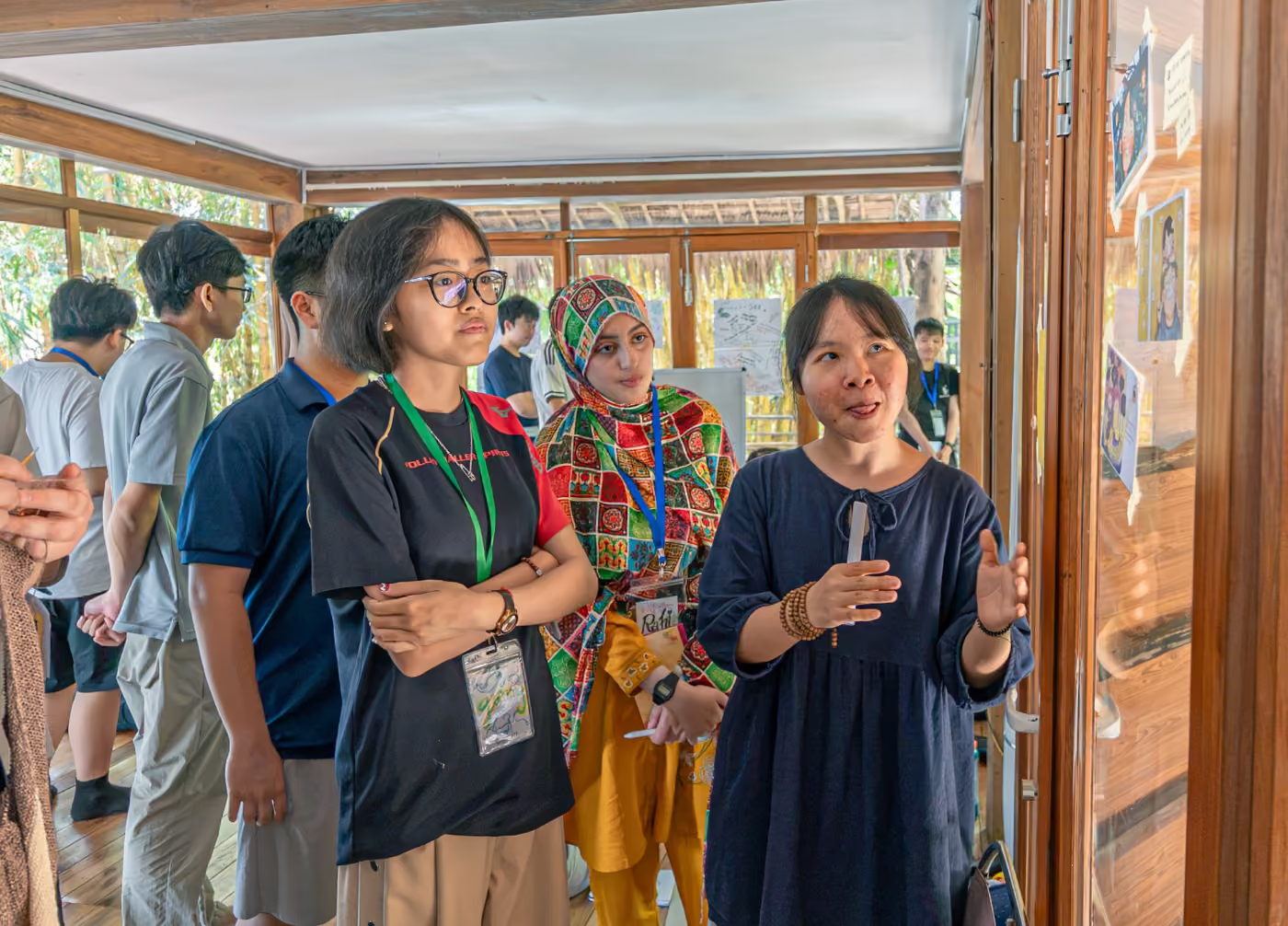
Start with the honesty to look back at yourself, even at things that didn't go as expected. Learn to see yourself as your first teacher, through reflection and self-directed learning.
Then, step outside yourself to learn from those around you, from your community, and from the places where we live. Everyone is living in a learning ecosystem – where knowledge comes not only from schools, but also from people, nature, and real-life experiences.
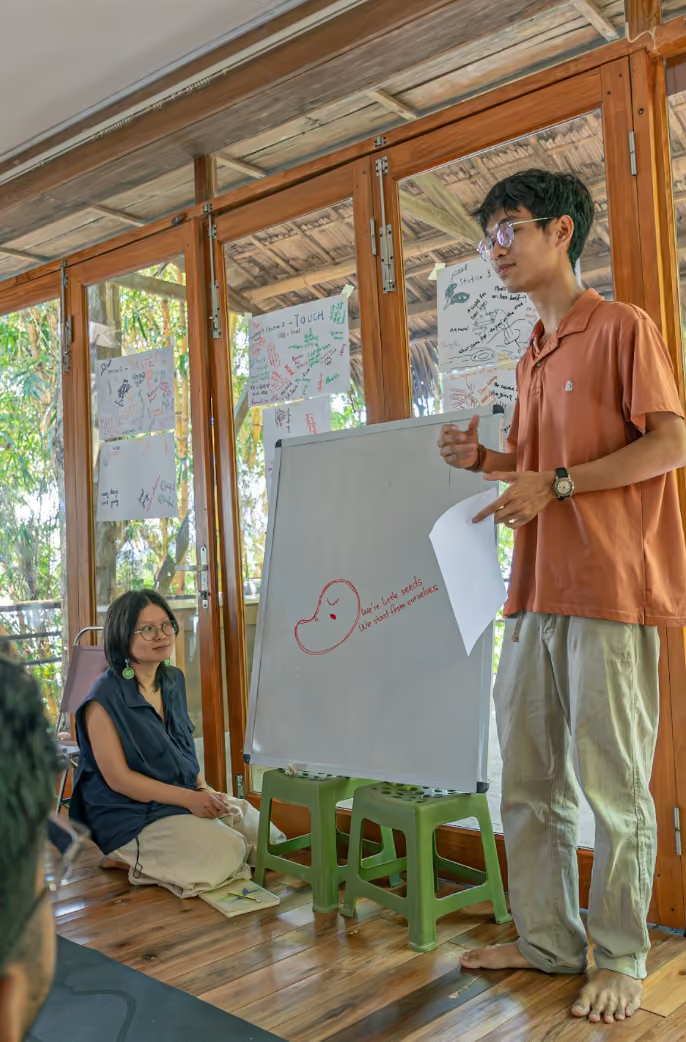
And finally, creating from what has been learned.
Because learning is not just about receiving. Learning is also about experimenting, doing, failing, adjusting, and creating new things.
Throughout this journey, you are not handed a pre-packaged answer on how to live well, but rather given the opportunity to create that answer for yourself.
🌱 LOOKING TO THE COMMUNITY — WHEN LIVELIHOODS ALIGN WITH ECOSYSTEMS
At the end of the journey, you arrive at Kim Bong Eco-Tourism and Agricultural Cooperative to explore an alternative economic model – a collective economy: a locally-driven development model, co-created and operated by the community itself.
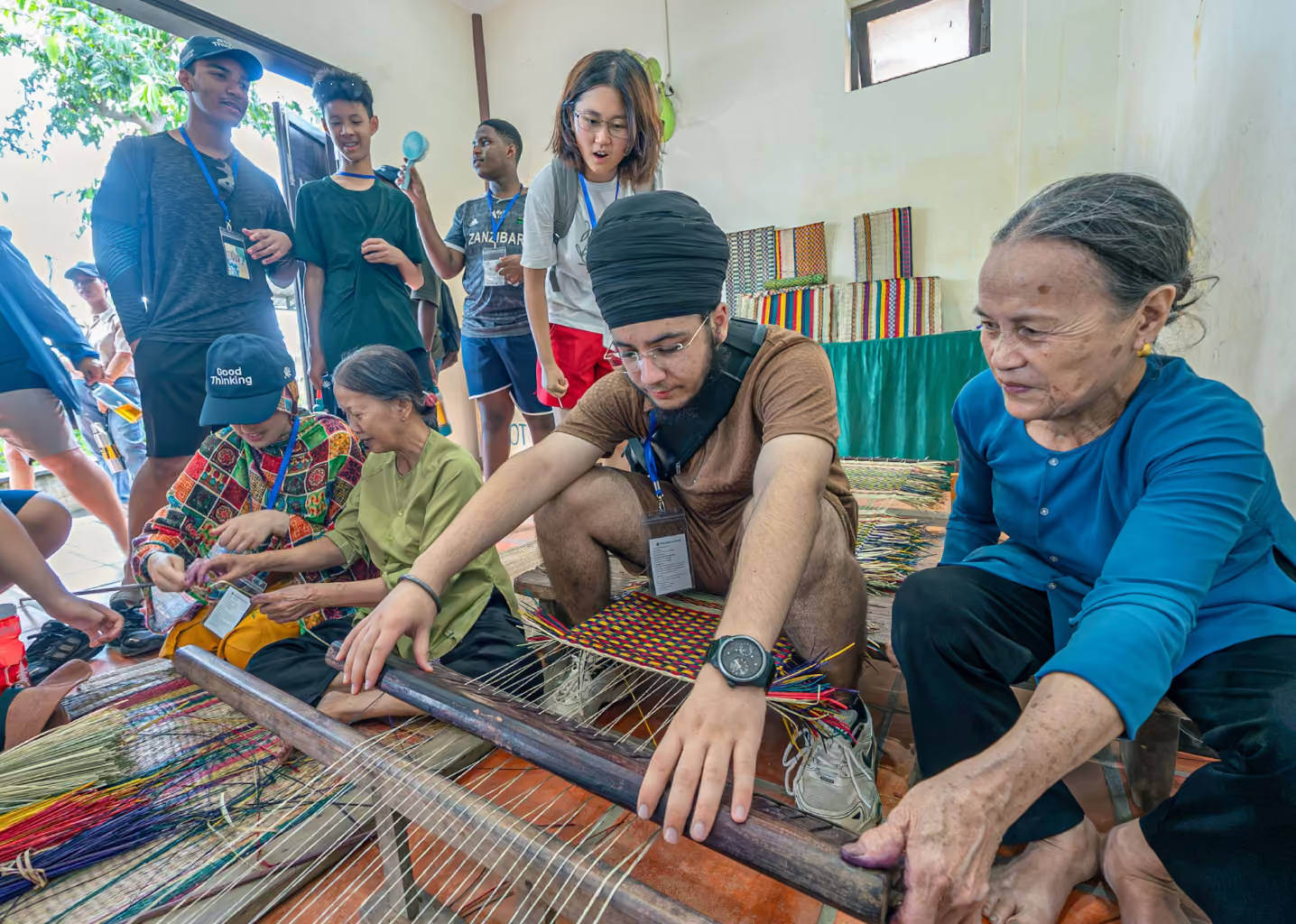
Here, questions about economics and livelihoods move beyond theory, becoming tangible through the story of a community living along the Thu Bon River:
Located in the buffer zone of the Cu Lao Cham - Hoi An World Biosphere Reserve, Cam Kim possesses a rich natural and cultural ecosystem.
Previously, the livelihoods of many residents relied on fishing practices that placed significant pressure on natural resources and the ecosystem. Recognizing these shifts, the community has gradually sought new ways to earn a living that are tied to protecting the river, preserving their culture, and promoting the value of their land.
The residents are more than just service providers. They are boat operators, guides, storytellers, and guardians of the values they have been connected to their entire lives.
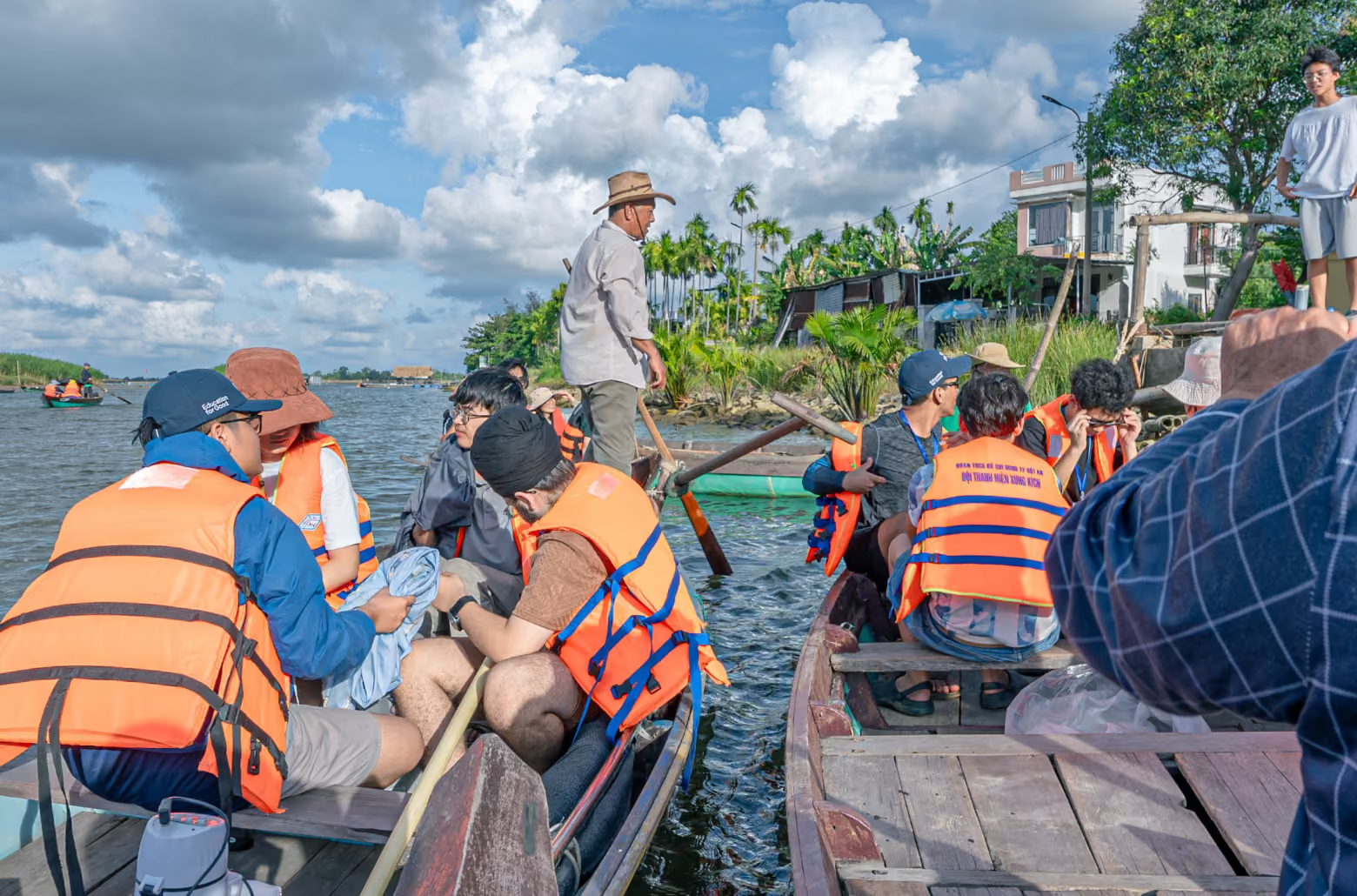
Here, tourism is not viewed merely as a revenue-generating activity, but as a tool to connect the community, preserve culture, and regenerate the ecosystem.
The Kim Bong story opens up another question:
What is a truly meaningful livelihood?
Perhaps a livelihood is not just how we make a living, but how we choose to live together—with our community, our culture, and our ecosystem.
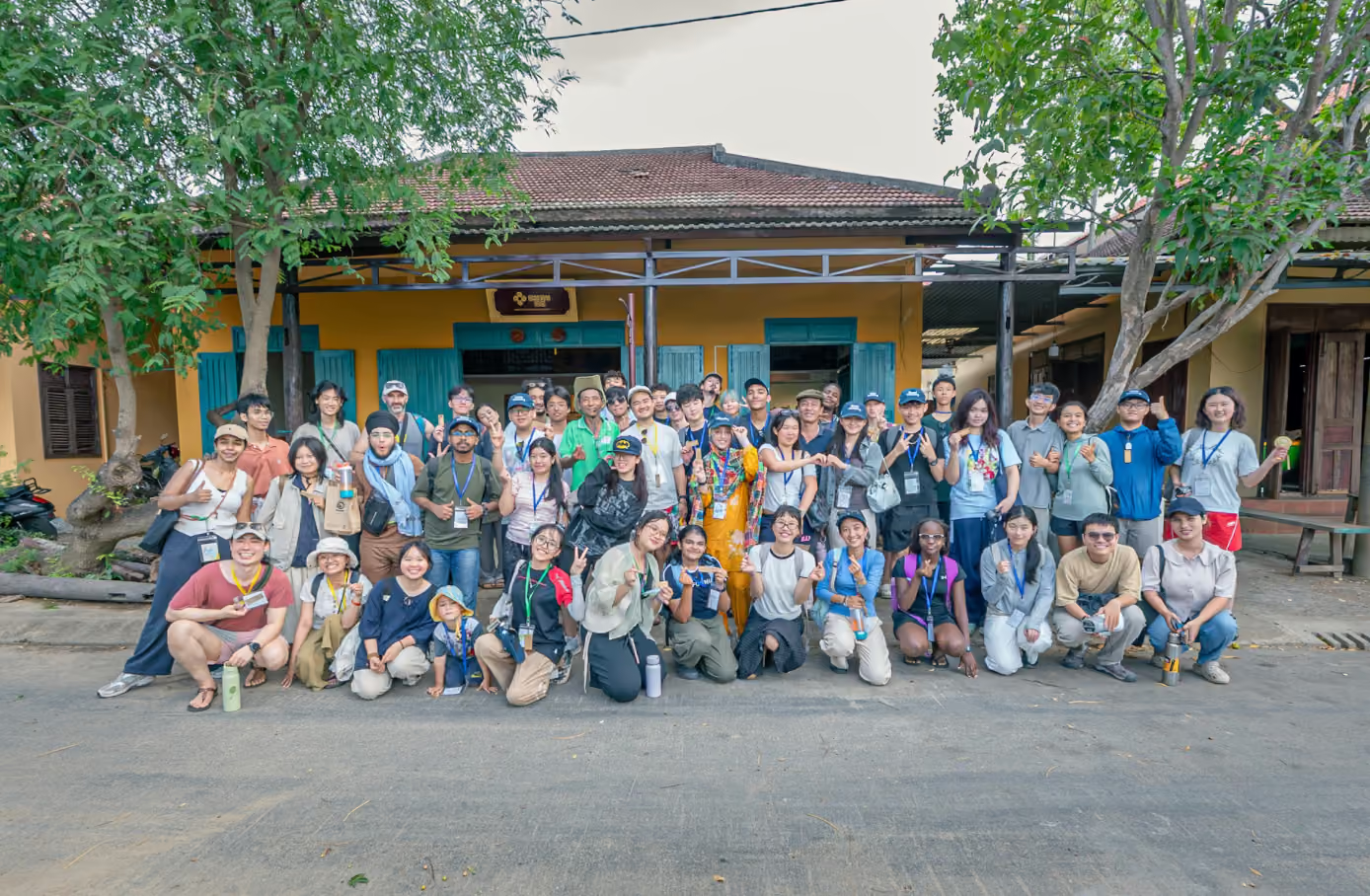
Through these experiences, conversations, and by listening to different ways of learning, living, and earning a livelihood, you are opened up to new perspectives on the world and on yourselves.
The experiences from this journey are not intended to provide a ready-made answer, but rather to offer prompts for each of you to continue seeking your own answers to the questions: How do I want to live? What value do I want to create? And what does a good life mean to me?
Nội dung đầy đủ của bài viết này chỉ dành cho Hội viên Vcil. Đăng nhập để đọc tiếp phần còn lại.