[South Korea] From the Miracle of the Han River to Alternative Pathways
Topics Du lịch học tập, Cộng đồng & Địa phương hoá
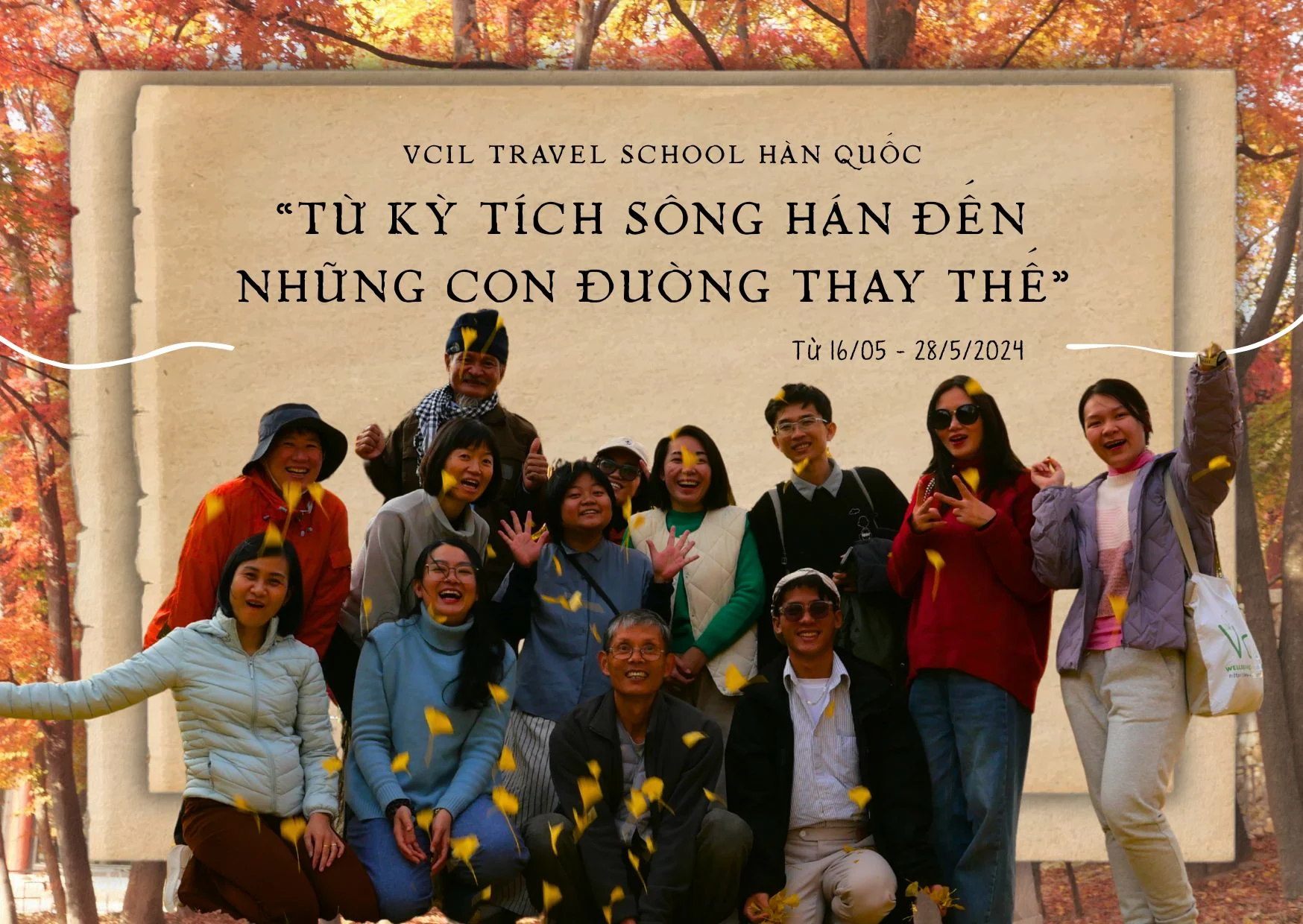
An experiential learning programme in South Korea, 16/05 - 28/05/2024
On this pageOn this page (4 sections)
[Korea] From the Han River Miracle to Alternative Pathways
South Korea's transformation from a war-devastated country to an economic powerhouse in just 50 years - often called the "Han River Miracle" - comes with important lessons for developing countries. But what lies beyond conventional development?
The Han River Miracle: Achievements and Costs
South Korea achieved remarkable economic growth through intensive industrialization and state-led development. This transformed the country's infrastructure, living standards, and global influence.
However, this rapid development also created significant challenges: environmental degradation, labor exploitation, widening inequality, high stress and suicide rates, and erosion of traditional cultures and communities.
The Question of Alternative Pathways
Korean civil society and social movements are increasingly asking: Is there an alternative path to development that achieves well-being without these negative consequences?
This is where organizations like Jungto Society, Korean Federation of Environmental Movement, and various labor and community organizations propose different answers.
Alternative Development Models in Practice
- Ecological Communities: Building sustainable communities that reduce dependence on conventional systems
- Cooperative Enterprises: Creating worker-owned and community-based businesses
- Slow Movement: Challenging the speed and productivity culture through mindful living
- Urban Farming: Reclaiming food production in cities
- Spiritual and Social Movements: Combining inner transformation with social change
Relevance for Vietnam
As Vietnam pursues rapid industrialization and development, learning from both Korea's achievements and its challenges can inform smarter, more sustainable pathways.