You are using the member interface.
Log out of the member interface →

 ← Bản tin
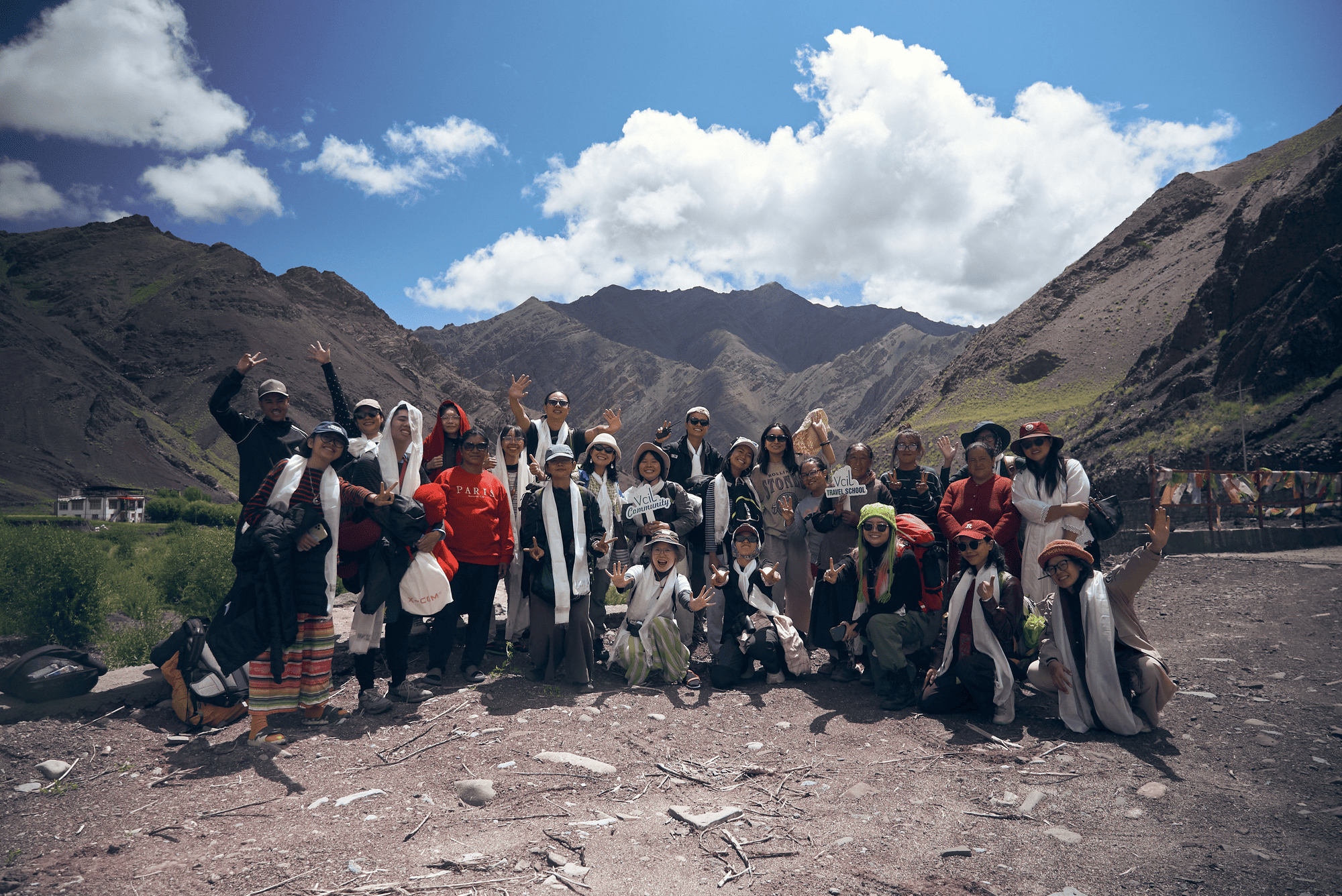
Today is the first day of Vcil Travel School IV. We joined Uncle Tashi, a cultural researcher at LAMO (Ladakh Arts and Media Organisation), a non-profit organization dedicated to preserving and promoting Ladakh's culture, arts, and media, on a "Journey Through History and Culture in Leh Old Town - Leh old town walk" to better understand the stories, historical context, and cultural questions about this region.
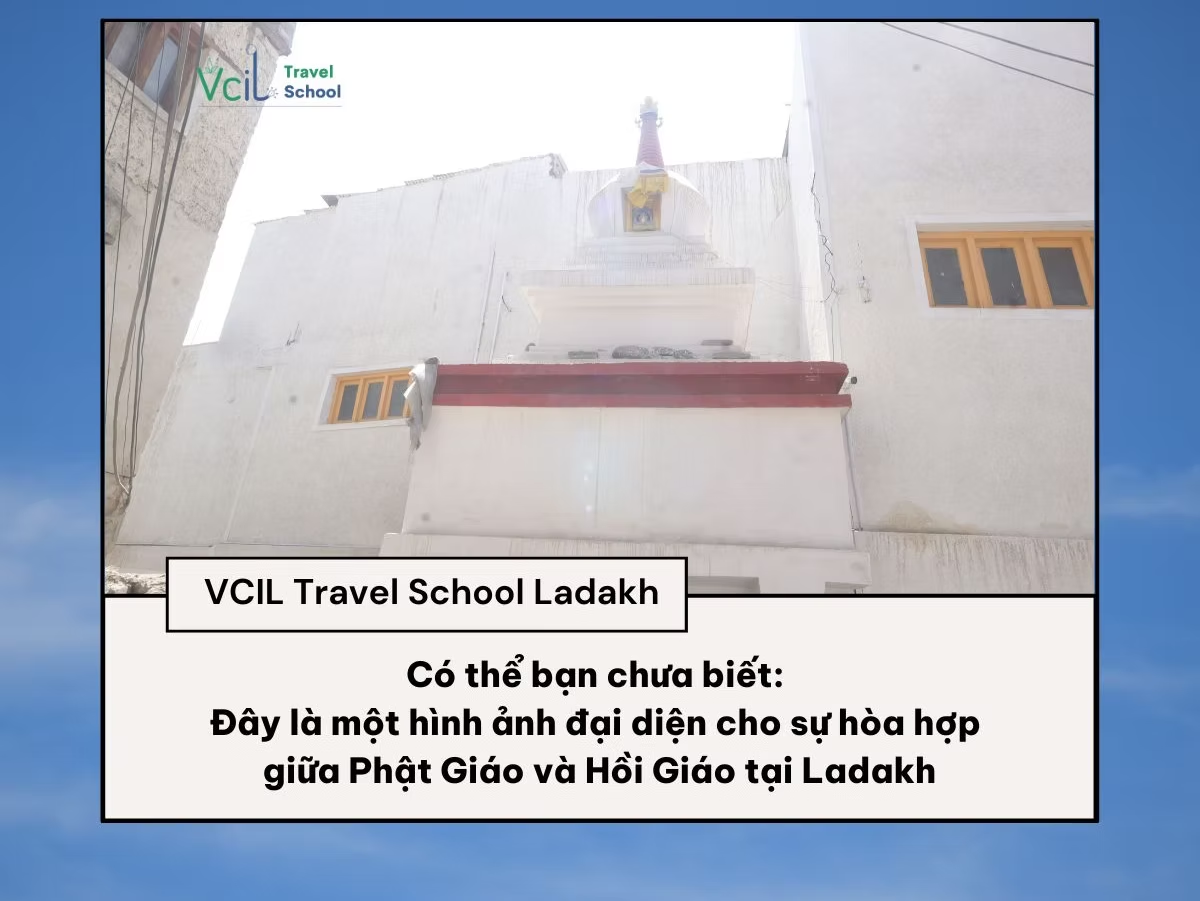
During our walk through Leh Old Town, where houses with distinctive Ladakhi architecture stand close together, we discovered the rich layers of history embedded in every corner. The narrow alleyways, traditional wooden windows, and ancient prayer flags tell stories of centuries past. Uncle Tashi explained how these physical spaces reflect the cultural values and beliefs of the Ladakhi people.
The old town is not just a museum piece but a living community where people still conduct their daily lives. We saw shops selling traditional crafts, women spinning wool, and young people greeting elders with respect. This living aspect of the old town makes it particularly fascinating - it's not frozen in time but continues to evolve while maintaining its cultural essence.
We visited several significant sites, including:
Uncle Tashi shared insights about how the old town developed as a trading hub on the Silk Road, which brought diverse influences and shaped Ladakh's unique culture. This history of cultural exchange is reflected in the architecture, food, language, and traditions we witnessed.
What struck us most was the sense of community and cultural pride among the residents. Despite modernization pressures, they work hard to preserve their heritage and pass it on to younger generations. This commitment to cultural continuity is inspiring and offers valuable lessons about maintaining identity in a rapidly changing world.
Nội dung đầy đủ của bài viết này chỉ dành cho Hội viên Vcil. Đăng nhập để đọc tiếp phần còn lại.