You are using the member interface.
Log out of the member interface →

 ← Bản tin
Ladakh is a land often referred to as "Little Tibet" because after China's occupation of Tibet, many Tibetan people migrated and sought refuge here. With them, they brought the distinctive features of Tibetan Buddhist culture and practices. Today, approximately 40% of Ladakh's population practices Tibetan Buddhism. Everywhere you go, you see large prayer wheels, monasteries perched precariously on high mountaintops, and stupas of various shapes and sizes.
We were given a special opportunity to spend a day learning about Tibetan Buddhism with an 82-year-old Lama named Gonpo. His spiritual presence and profound knowledge created an atmosphere of reverence and learning. Through his teachings, we began to understand the depth and beauty of Tibetan Buddhist philosophy and practice.
The Lama explained the core principles of Tibetan Buddhism - compassion, mindfulness, and the pursuit of enlightenment. He shared how these principles guide not just spiritual practice but also daily life and interactions with others. His words were simple yet profound, and his life exemplified the teachings he shared.
One particularly moving moment was when the Lama discussed the concept of compassion. He emphasized that true compassion extends to all living beings, not just humans. This universal compassion is reflected in the practice of not harming any living creature, which we had observed in the agricultural practices of Tar village.
The Lama also explained the role of monasteries in Ladakh. They are not just religious centers but also centers of learning, cultural preservation, and community service. Monks study Buddhist philosophy, practice meditation, and engage in community work. Monasteries often run schools for local children and provide healthcare services to the surrounding communities.
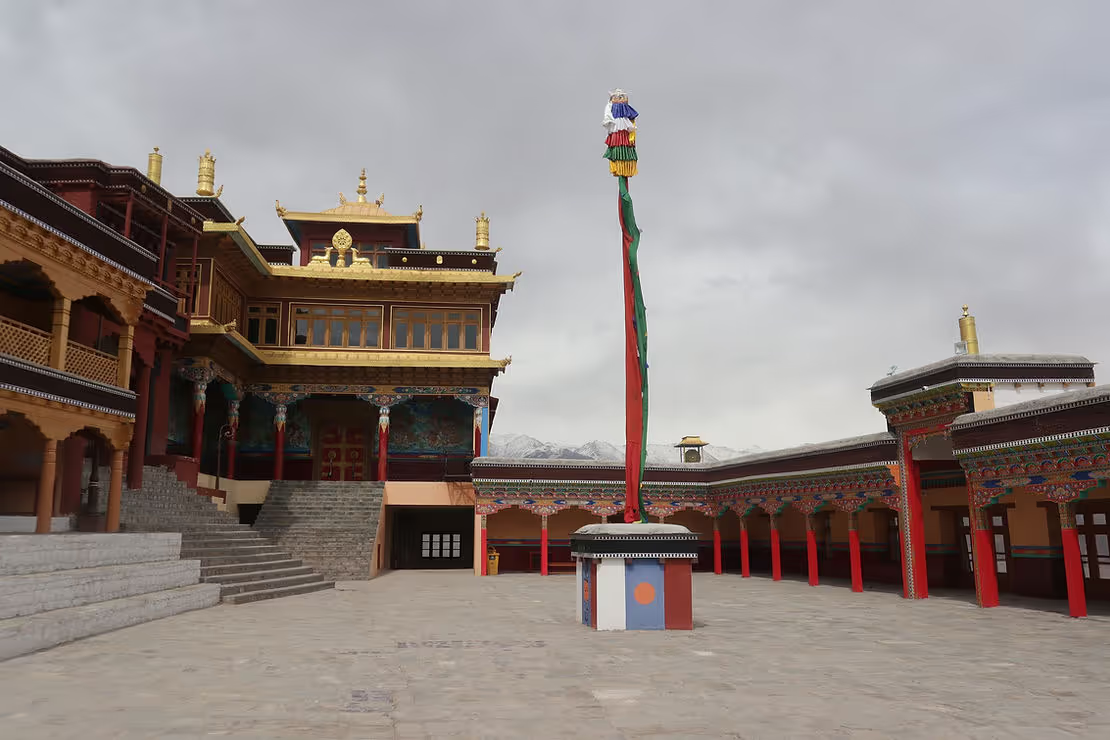
We visited a nearby monastery where we witnessed daily prayers and rituals. The chanting of monks, the smell of incense, and the sight of sacred objects created a spiritual atmosphere that was deeply moving. We learned that prayer wheels and prayer flags are not just decorative but spiritual tools - each rotation or flutter of a prayer wheel or flag is believed to spread compassion and prayers across the world.
The encounter with the Lama left a lasting impression. It showed us that spirituality is not separate from daily life but deeply integrated into it. The wisdom and serenity we felt in his presence reminded us of the value of spiritual practice in creating a more compassionate and peaceful world.
Nội dung đầy đủ của bài viết này chỉ dành cho Hội viên Vcil. Đăng nhập để đọc tiếp phần còn lại.

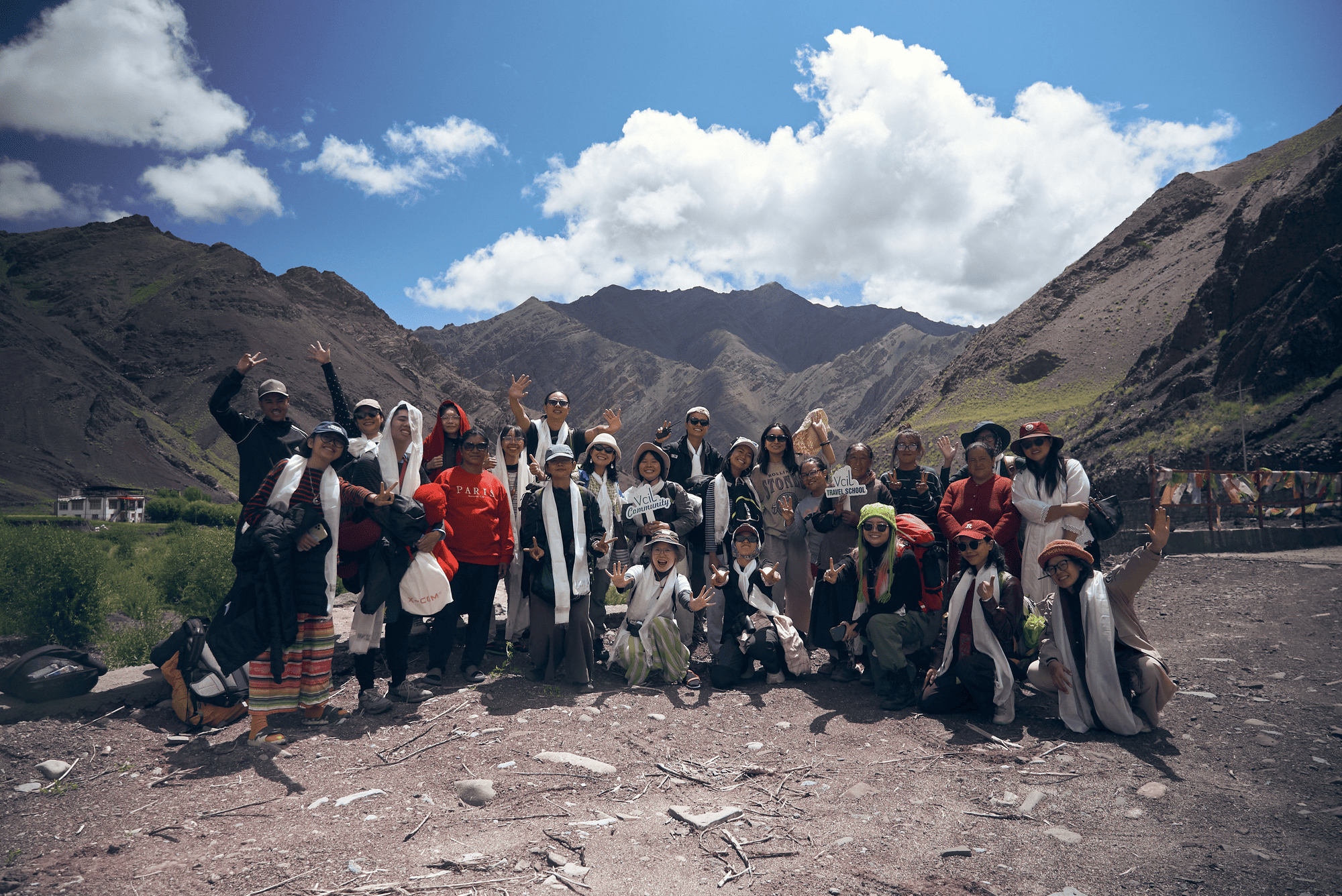

International Travel & Experiential Learning Program Uses Context-Based Learning Methods in a Multicultural Environment