You are using the member interface.
Log out of the member interface →
LOCALIZATION WEEK: TREASURES OF OUR LOCAL
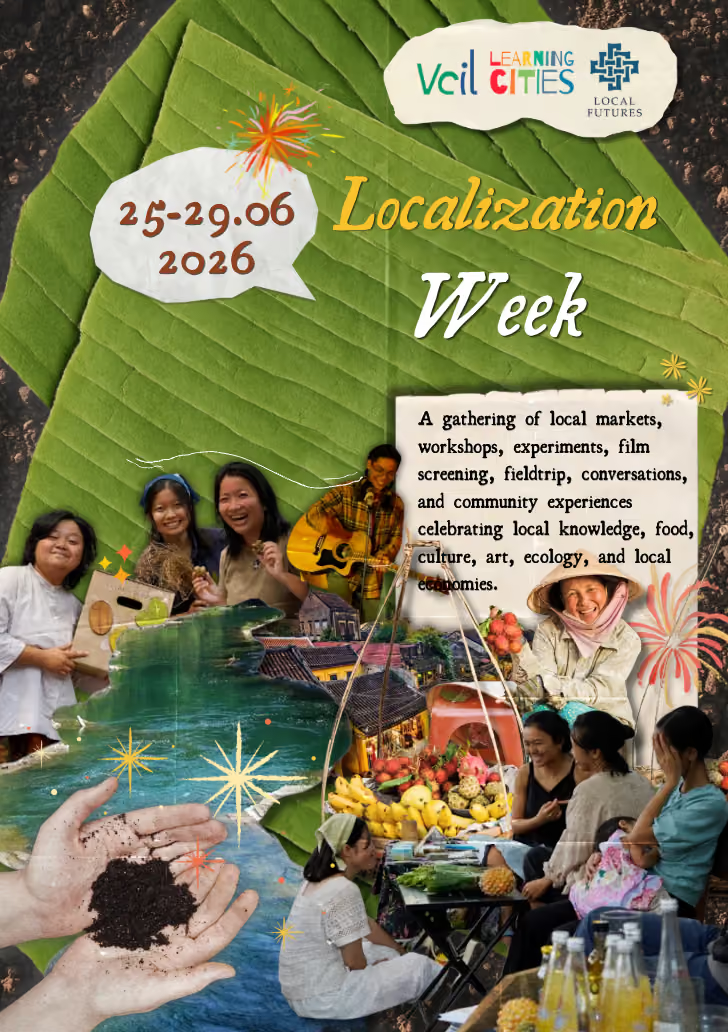
Localization Week
25–29 June 2026
A gathering of local markets, workshops, experiments, film screenings, field trips, conversations, and community experiences celebrating local knowledge, food, culture, art, ecology, and local economies.
Every year on June 21st, tens of thousands of people across more than 50 countries celebrate World Localization Day. It is a moment to reflect on what is being created where we live, to honor those who nurture local life and community, and to remind ourselves that “another world”—one that is regenerative, just, and deeply human—is not only possible, but already emerging in many different forms around the world. “Localization Week: Treasures of Our Local” is Vcil Community’s way of joining that global movement from Vietnam.

June 21st, the summer solstice, was not chosen by accident. In many agricultural cultures, it marks the height of summer—a moment when nature is most alive, and when people begin reflecting on what has been planted and nurtured. In the Northern Hemisphere, it is also the longest day of the year, deeply connected to the rhythms of nature, land, and the cycles of life. Across cultures, communities have long gathered during this time to celebrate harvests, light, nature, and humanity’s connection to the Earth.
In Vietnam, just before the summer solstice comes Tết Đoan Ngọ, a traditional day where people eat seasonal fruits, fermented rice wine, and use local herbs to care for the body. People did not ask, “What famous specialty does this place have?” but rather, “What is in season here right now?” That is localization in its most organic Vietnamese form, long before the term itself existed.
In a world where everything can be accessed instantly, where we can eat anything at any time of year, we are also becoming increasingly disconnected from a simple question: where do the things we consume actually come from? Where did today’s meal begin? Who made the clothes we are wearing? What journey did they travel before reaching us?
Localization Week is created as an invitation, an attempt to plant seeds for returning to the local. Producing locally, consuming locally—from food and clothing to language, culture, and ways of living. The festival is a journey of joy, imagination, gratitude, and reconnection with the treasures already present in our communities. Through this, we hope to shift the way we think about what truly matters in life today.
• Celebrate the richness and diversity of local communities
• Raise awareness about the role of local economies in regenerating ecosystems, culture, and healthy food systems
• Encourage local consumption and rooted ways of living
• Create spaces for ethical producers and community initiatives to share their stories
• Build networks for collectively shaping stronger local economies in Vietnam
Indian scientist and environmental activist Vandana Shiva has long argued that climate crises, food crises, and economic crises are not separate issues, but symptoms of the same root problem. The solution, she suggests, also points in one direction: supporting local livelihoods and systems of production centered around life, care, and community. When we care for the soil, we care for the foundations of life itself.

Throughout human history, those who cared for the land, especially farmers, have played a central role in sustaining communities and ecosystems. They observed seasons, worked with the rhythms of nature, and cultivated food not only for survival, but for collective wellbeing.
As societies modernize, land is increasingly taken for urbanization while farmers are pushed to the margins, even as everyone longs for healthy food and fears unsafe food systems.
In many rapidly industrializing countries, people have begun to realize that when local economies disappear, it is not only farmers’ incomes that are lost, but also dignity, a sense of belonging, and community safety nets. For many, land is not just property; it is identity, memory, and continuity.
Vietnam’s GDP continues to grow, yet alongside it come rising anxieties: job displacement through automation, young people struggling to find direction, rising living costs, and fears surrounding food safety, health, and housing insecurity. Why do we feel more unstable the more “developed” we become?
Globalization has brought material abundance, but it has also fractured essential relationships between people, between people and the land, and between people and the origins of life itself. Goods now travel enormous distances before reaching consumers, consuming vast amounts of energy while often losing quality along the way. Meanwhile, farmers, growers, and artisans frequently work under difficult conditions while receiving only a fraction of the value they create. Modern supply chains, like many systems today, are increasingly concentrated in the hands of a small number of powerful actors.
In this context, localization offers another direction.
In Vietnamese, the word “địa” means land, place, or territory. “Địa phương” refers to a local place, emerging from differences in geography, climate, history, customs, and ways of life. Localization is not about isolation or nostalgia. It is about rebuilding meaningful relationships with what already exists around us: food, language, craft, ecology, culture, community, and daily life.
Localization is not an imported idea. In the 14th century, the Vietnamese Zen monk and physician Tuệ Tĩnh famously said: “Southern medicine heals Southern people.” He was not rejecting knowledge from elsewhere, but reminding us that the land we live on already contains many of the things we need, if we know how to see and value them. Seven hundred years later, the global localization movement echoes a similar wisdom through the language of ecology and economics.
Traditional Vietnamese local markets, held according to lunar calendars and rooted in regional products, were once deeply localized economic systems: small producers selling directly to communities without complex global supply chains. Markets were not only places of commerce, but spaces for storytelling, seed sharing, relationship building, and mutual support. Modern localization movements are, in many ways, attempting to restore what these systems once naturally embodied.
Localization nurtures not only practical needs, but also belonging, self-respect, cultural confidence, and deeper relationships with nature. As Helena Norberg-Hodge writes in the book *Local Is Our Future*, localization strengthens our sense of connection, both to place and to one another.
Vietnam is, in truth, an incredibly abundant land. From the river ecosystems of the Mekong Delta to cinnamon forests in Central Vietnam, coffee landscapes in the Highlands, and ancient tea trees in the North, the country holds immense ecological and cultural richness.
For generations, Vietnamese folk culture has practiced what we might now call “local branding,” connecting products to specific lands and communities:
"Dưa La, cà Láng, nem Báng, tương Bần
Nước mắm Vạn Vân, cá rô Đầm Sét"

In English, this could be translated as follows (though, naturally, it loses some of the original Vietnamese poetry):
"La village's pickled greens, Láng village's eggplants, Báng village's fermented pork rolls, Bần village's soy sauce,
Vạn Vân's fish sauce, Đầm Sét's climbing perch."
(Note: This is a famous saying highlighting the most renowned culinary specialties of various villages in Northern Vietnam.)
Each phrase maps a local ecosystem of care, craft, cultivation, and identity. This culture has not disappeared; it simply needs attention and nourishment.
Vietnam’s 54 ethnic groups continue to safeguard invaluable systems of indigenous knowledge, from Dao herbal medicine to the UNESCO-recognized Gong Culture of the Central Highlands, and from Quan Họ folk singing to Ê Đê water rituals. These are not static “heritage artifacts,” but living systems shaped by communities who continue to choose their relationships with the land, nature, and one another.
Even language itself carries localization. Dialects, local recipes, crafts, rituals, and ways of living are all forms of cultural biodiversity that many societies around the world are now desperately trying to rebuild. Vietnam still holds many of these treasures. What remains is learning how to recognize and care for them.
Localization Week is envisioned as a space for meeting, learning, exchanging, and sharing ways of living rooted in place. A space where farmers, artisans, ethical producers, community builders, and local initiatives can tell their stories. A space where we can experience once again what it feels like to live more like neighbors, sharing what we have, just as previous generations once did naturally.
It is also an invitation to ask ourselves larger questions:
What does a meaningful life look like today?
What are we leaving for future generations?
Can we choose to slow down, look closer, and begin from where we already stand?
We invite you to join Localization Week with Vcil Community and Local Futures as we collectively rediscover the treasures already present in our local places and nurture more regenerative, connected, and peaceful ways of living.
Specific festival activities will be revealed gradually through the social media pages of Vcil Community, Vcil Living Lab, and Learning Cities in Ho Chi Minh City and Vung Tau.
"Ai ơi đừng bỏ ruộng hoang
Bao nhiêu tấc đất, tấc vàng bấy nhiêu"
"Oh, do not leave the fields fallow,
For every inch of soil is an ounce of gold."
(Traditional Vietnamese folk verse)
Specific activities for the week will be gradually revealed on the fanpages of Vcil Community, Vcil Living Lab, and Learning Cities in Ho Chi Minh City and Vung Tau (Go Live Love). Please stay tuned and follow us!
Do you want to join the Festival? Don't worry, we will also provide detailed guidelines so you can immerse yourself in the localization atmosphere right at your own home, school, organization, community, or village in your own unique way!
WEEK OF LOCAL TREASURES (LOCALIZATION WEEK), organized by Vcil Community in collaboration with Local Futures and Learning Cities, is an invitation and an effort to plant seeds for returning to the local. It is about local production and local consumption - from food and clothing to culture, language, and ways of living. This is a journey of joy, connection, and gratitude toward local treasures, traditional values, natural ecosystems, and cultural heritage, helping us shift how we understand what truly matters in today’s world.
In Vietnam, Vcil Community and Learning Cities aim to create a space where people can engage in the localization movement through thinking, feeling, creativity, and everyday action.
Register for events here: https://luma.com/khobaudiaphuongminh
TENTATIVE SCHEDULE
DAY 1 · THURSDAY 25/06: OPENING OF THE WEEK
Afternoon: Vcil Community Culture Day – What are our roots?
Evening: New Traditions – “What is localization?” with Helena Norberg-Hodge (Local Futures)
DAY 2 · FRIDAY 26/06: INDIGENOUS KNOWLEDGE
Open Space: Exploring Local knowledge and Wisdom in Learning Cities
Evening: Film screening & discussion – The Seeds of Vandana Shiva: Seed saving and food sovereignty
DAY 3 · SATURDAY 27/06: LOCAL FOOD & FOOD SYSTEMS
Morning: “Go to the market together” challenge
Workshop: Food systems in the world we live in
Afternoon: Storytelling and local food culture experience
Evening: Free time to attend the Da Nang International Fireworks Festival
DAY 4 · SUNDAY 28/06: LOCAL ECONOMY
All day: Abundant Market
Morning: Film screening & discussion – Outgrow the System
Afternoon: Sharing local localization initiatives in Da Nang from Abundant Market’s hosts
Evening: Untalent Show · Art for Localization
DAY 5 · MONDAY 29/06: LOCAL ECOSYSTEMS, CULTURE & COMMUNITY
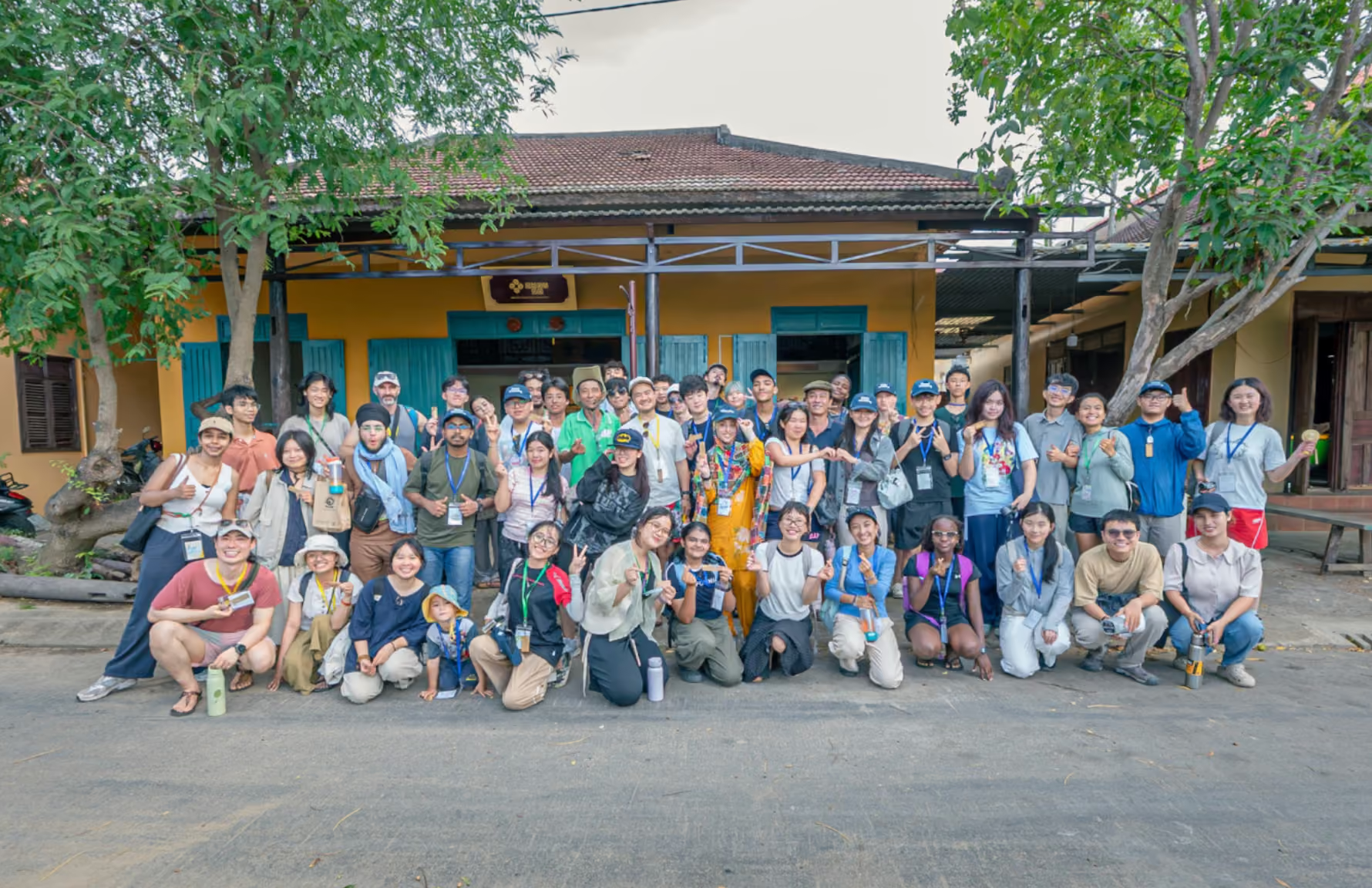
All-day field trip along the Thu Bon River · Hoi An
Follow and register via XomTour – Conscious Travel, Local Impact
The final day of Localization Week is a journey back to the Thu Bon River—a river that has nourished the livelihoods, culture, memories, and daily life of Central Vietnam across generations.
This is not just a field trip, but an opportunity to observe ecosystems and nature, meet local communities, listen to untold stories, and deepen our sense of connection between people and the places we live in.
Da Nang · Ho Chi Minh City · Vung Tau · Hanoi
“Learning Cities” is a social innovation initiative by Vcil Community, designed to connect people, resources, and communities across cities in Vietnam and nurture lifelong learning.
We ask: What if cities became living classrooms?
In this vision, learning does not only happen in schools or formal institutions, but also in communities, workplaces, nature, arts, everyday encounters, and daily life. Each place holds its own knowledge, skills, and cultural treasures. Learning Cities seeks to uncover and connect these resources to build local learning communities—where everyone is both a learner and a knowledge sharer.
More information: https://www.vcil.community/vi/danang-learning-city
Register as a host or participant via the respective city pages:
Open call: “What makes me feel I BELONG?”
This is an invitation to revisit the beauty, diversity, and vitality of our local places through memory and imagination. Submitted works are not only personal expressions, but also stories, emotions, and things we wish to preserve for future generations - those who will continue living on this land and inherit what we leave behind.
Submit your work before 25/06/2026: https://forms.gle/B8YjQ43wzZu9xYVd7
More info: https://www.facebook.com/share/p/1FxxcERVH1/
You can also join the week by hosting your own activities, such as:
We invite you to connect with the Localization Week network, be featured in the shared program calendar, and become part of a global localization movement.
Register your activity here: https://forms.gle/aW48EzNwkEGTmFys8
All activities will be compiled in the overall schedule here: https://luma.com/khobaudiaphuongminh
For inquiries:
Phone: +84 85 669 9117 (Linh)
Email: vcil.group@gmail.com
#localizationweek #worldlocalizationday #vcilcommunity #localfutures #learningcities
Phone: +84 0856699117 (Linh)
Email: vcil.group@gmail.com
#LocalizationWeek #WorldLocalizationDay #VcilCommunity#LocalFutures #LearningCities
Nội dung đầy đủ của bài viết này chỉ dành cho Hội viên Vcil. Đăng nhập để đọc tiếp phần còn lại.
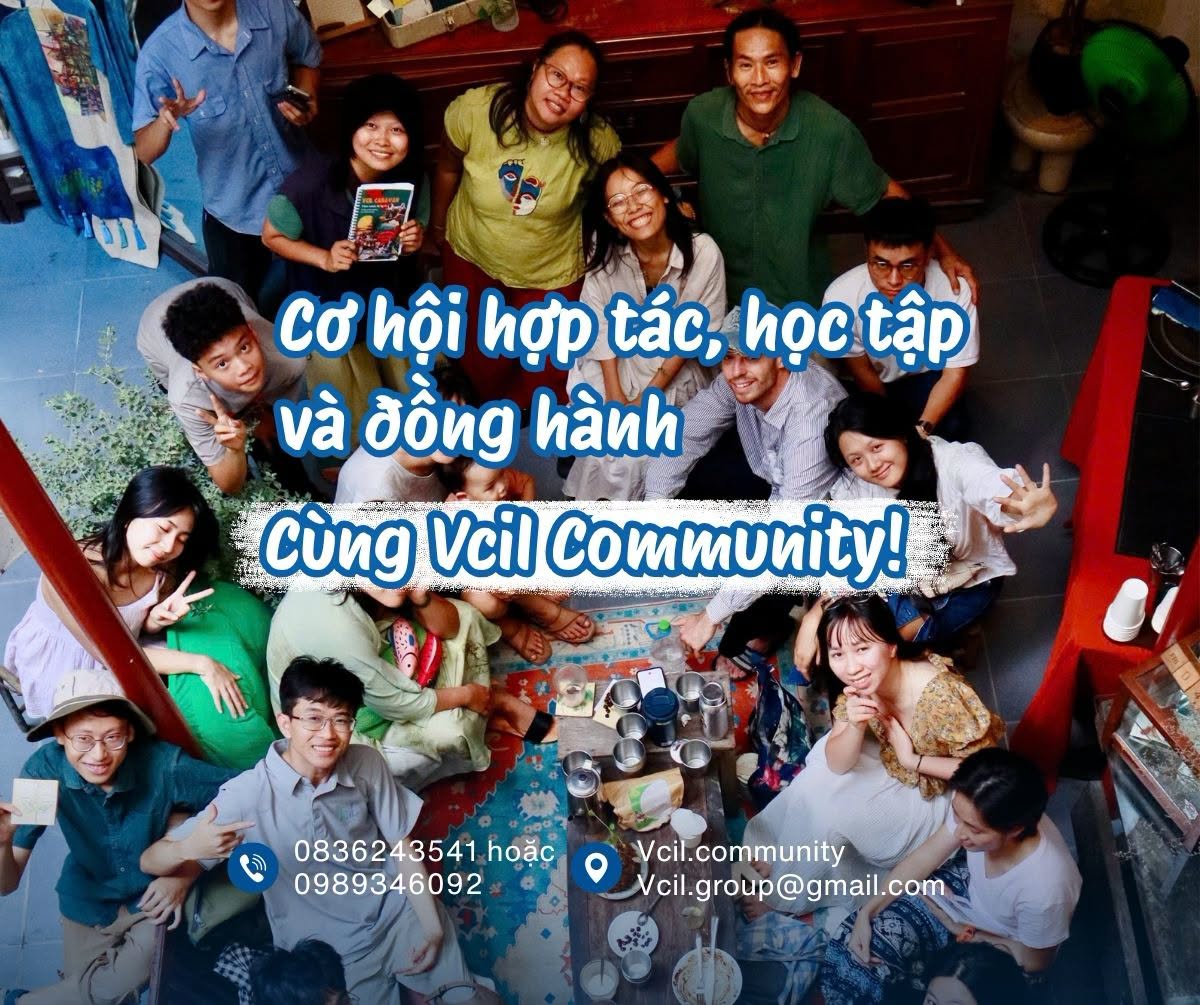
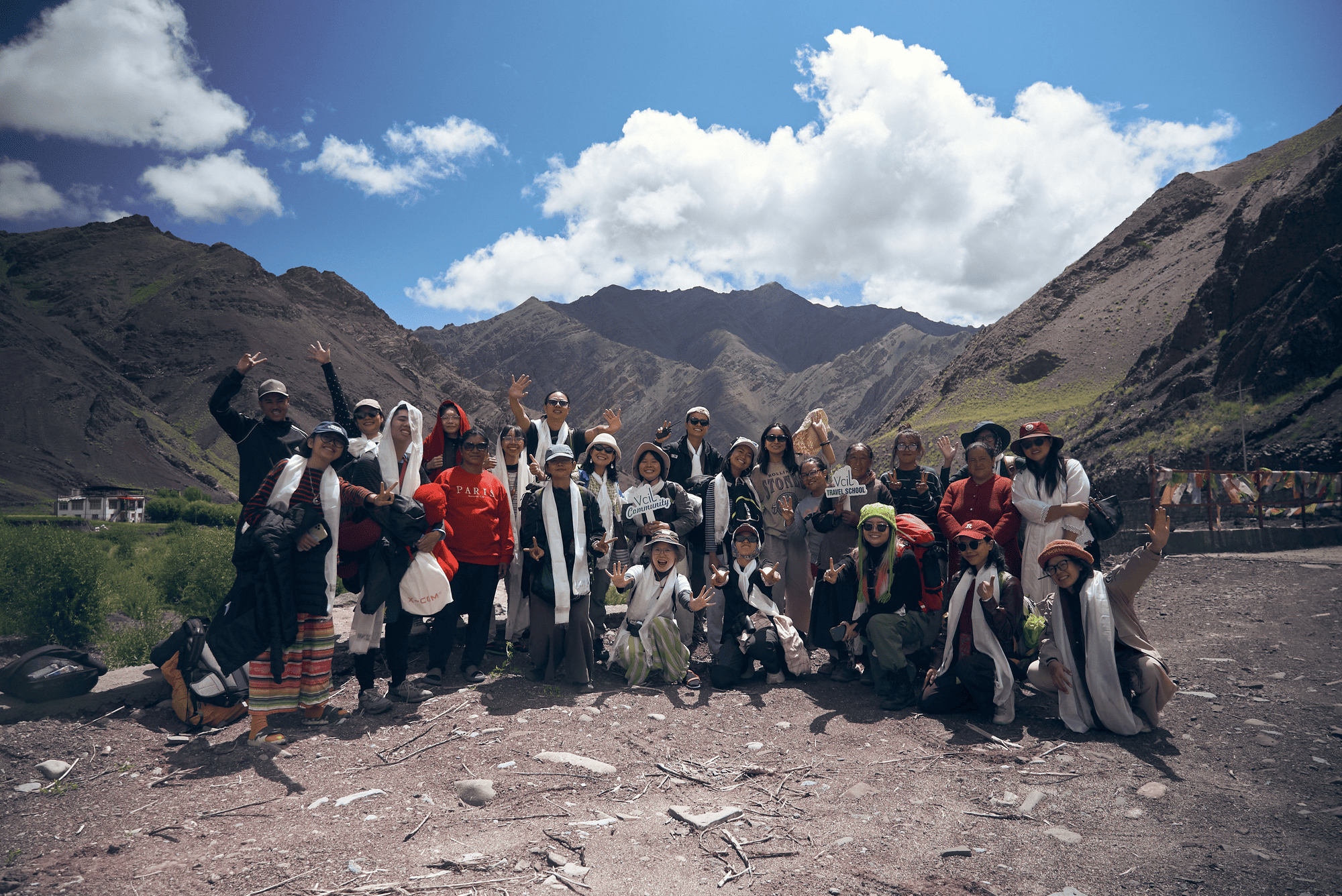
This event will use the diversity and wealth of the community to transform the city into a Festival of Learning