Vcil Travel SchoolAlready held
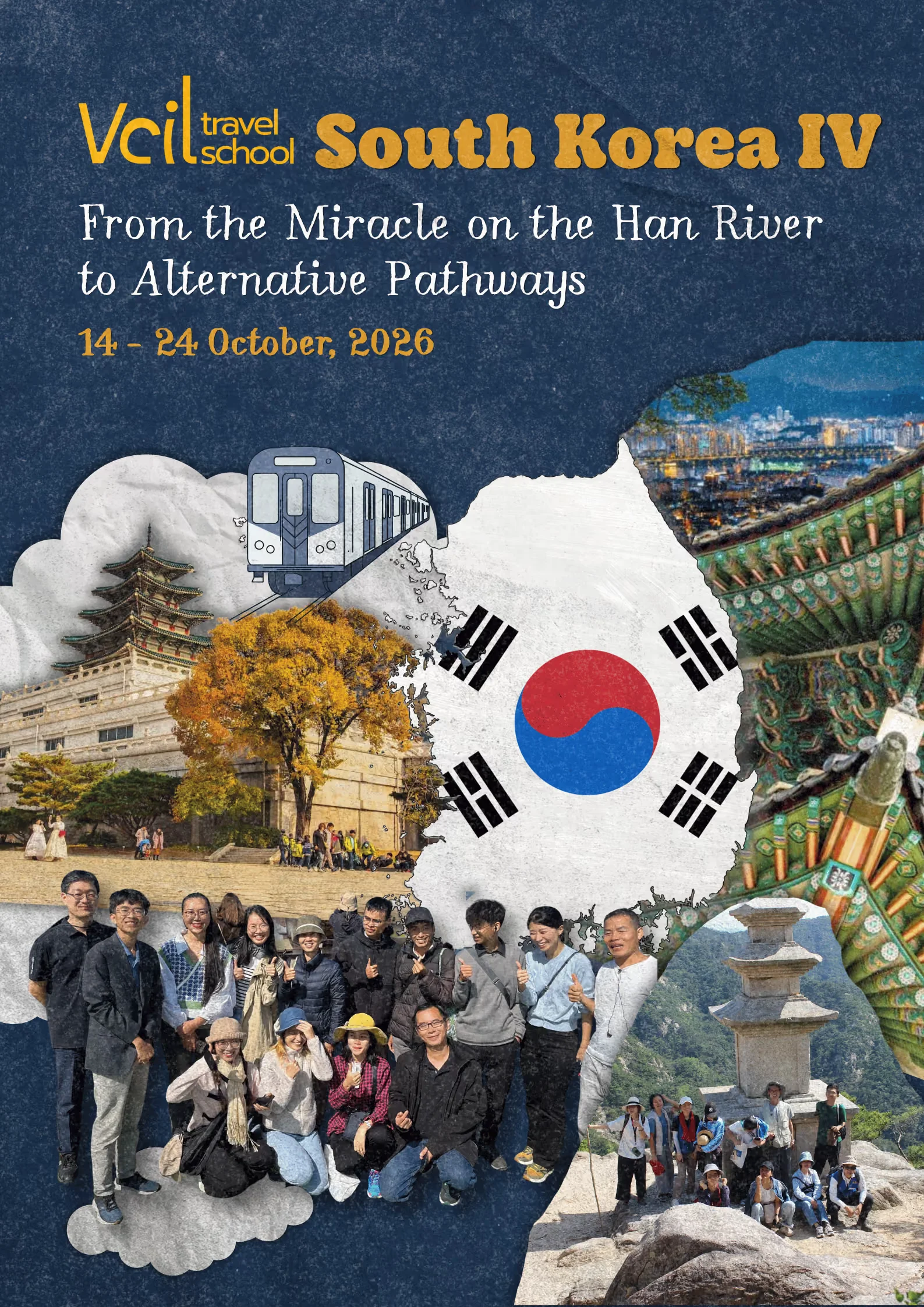
Vcil Travel School 2026 – South Korea IV: From the Miracle on the Han River to Alternative Pathways
It promises to be a programme that offers not only memorable experiences and lasting memories, but also practical knowledge and lessons
Key facts
- Dates
- –
- Fee
- from 14,500,000 VNDSee all fee options
- Open to
- Everyone interested; Vcil members pay less
This program has already taken place. Get updates so you don't miss the next one:
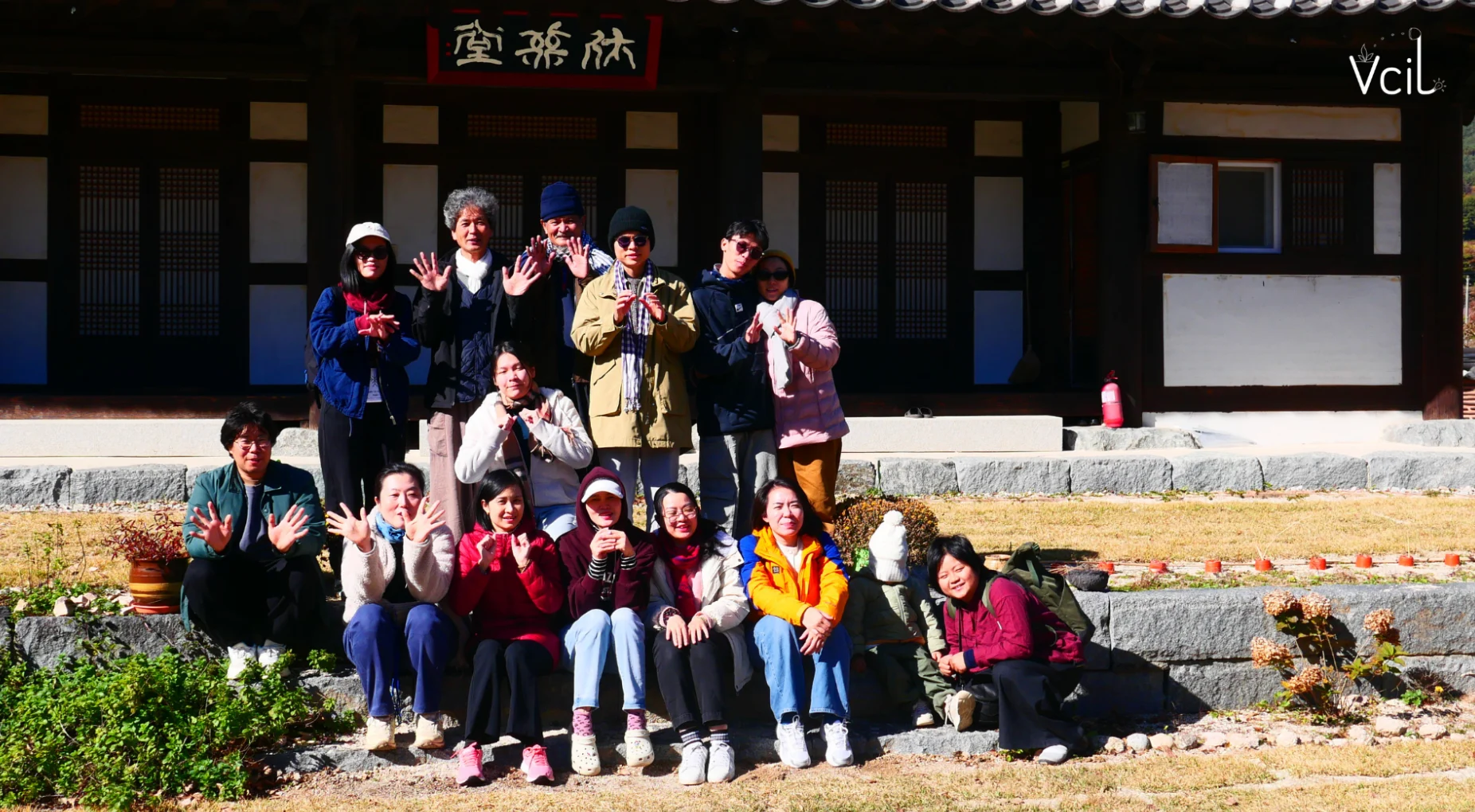
Video recap of the 2025 trip to Korea
About the programme
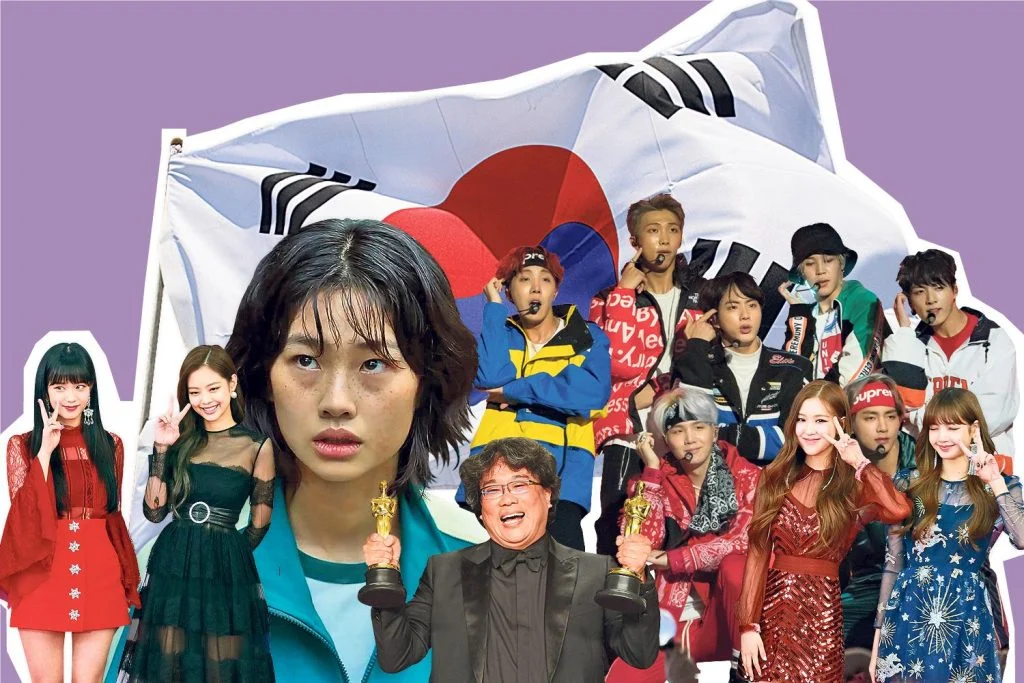
When we think of Korea, most of us are familiar with K-pop idols and songs and legendary K-dramas: the Korean Wave (Hallyu) that has spread Korean culture, food, lifestyle and even martial arts (Taekwondo) all over the world. It has been so successful that if you mention groups like BTS or Blackpink to young people in remote Himalayan villages such as Ladakh, or as far away as North Africa, you will find sizeable fan bases. While BTS has repeatedly broken world records on YouTube and the music charts, won many international awards and was named among the 100 most influential people in the world in 2019, PSY's Gangnam Style was the first video to pass one billion views on YouTube, in 2012.
Korea is also known for its e-sports industry, its famous car makers and its world-leading electronics conglomerates, the chaebol: Hyundai, Samsung, LG, SK, Lotte. Today Korea is a leading developed country, with an economy ranked 4th in Asia and 10th in the world by GDP, and a per-capita income of around 34,757 USD (2021). With these achievements, Korea has become a development model, an “ideal example” for other countries, going from one of the poorest countries in the world in the 1950s, dependent on foreign aid to survive, to an industrial and service powerhouse in a short time. This spectacular, rapid growth is also known as the “Miracle on the Han River”.
Yet alongside these material achievements, the country's economic development and growth model have brought many challenges and paradoxes: an ageing population, a high suicide rate, a low birth rate combined with one of the highest abortion rates among OECD countries, high unemployment alongside a labour shortage, deserted villages, and soaring social inequality. A developed, fast-growing economy does not mean prosperity for everyone: Korea's 64 largest conglomerates account for 84% of GDP (Samsung alone for more than 19%), while creating only about 10% of jobs. In addition, another persistent and complex problem Korea has faced for many years is the rising tension and risk of war between South and North Korea.
What is fascinating about Korea is that it always has two opposing sides. To tackle the problems above, for instance, many grassroots movements, organisations and projects have emerged to address the issues the country and society face: religious reform movements, collective (solidarity) economy models, alternative education, village revitalisation movements, and so on. What is special is that all of these movements come from the people, uniting and making effective use of resources from the community and society. The experience of these movements and organisations therefore offers valuable lessons for community organisations and social initiatives, not only in Korea but across the countries of the region.
So what made the Miracle on the Han River? What created the success of the Korean Wave? What did Korea trade away to achieve it? What solutions and what future are there for peace on the Korean Peninsula? And how have organisations, individuals, communities and businesses in Korea built grassroots solutions and social initiatives, from ordinary people, to the problems the country faces? What can we learn from the people of Korea for our own development journey?
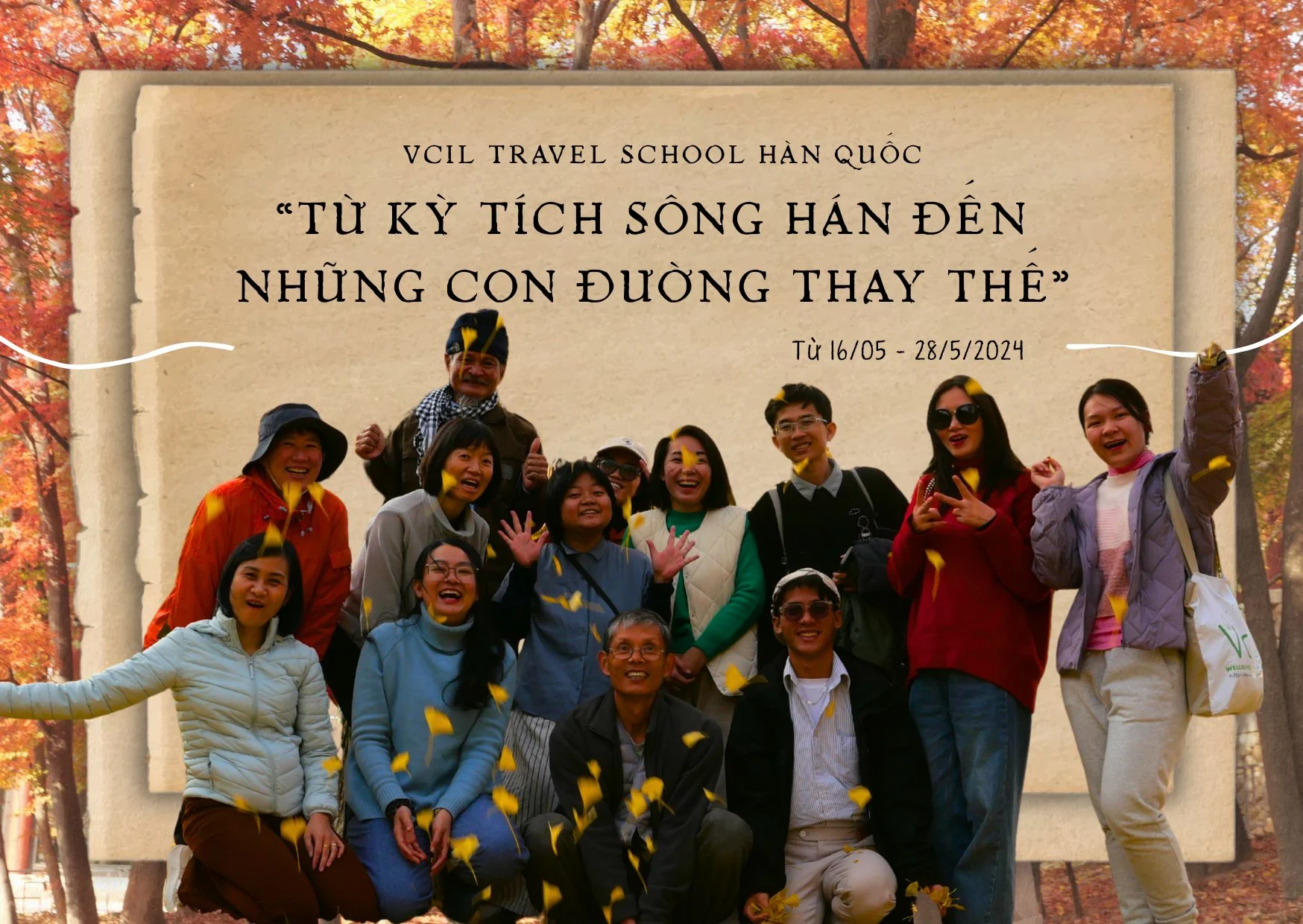
“Vcil Travel School 2026 - Korea IV: From the Miracle on the Han River to Alternative Pathways” was created to explore these questions together. Running from 14 to 24/10/2026, the programme is a fascinating journey of discovery in which participants “immerse” themselves deeply in the country, society and culture of Korea while searching for answers to the questions above, through field visits, workshops, exchanges and discussions with experts and researchers, and interaction with communities and local people: young people, social activists, entrepreneurs and more. The programme is not only a chance to explore Korea in the romantic autumn weather of the Seoul capital region, the countryside of Ulsan and the coastal city of Busan, but also a chance for members to connect with one another and with Korean organisations and individuals, and to live the life of a local, a member of the community: eating, living, working, telling stories, learning, sharing and exchanging culture together.
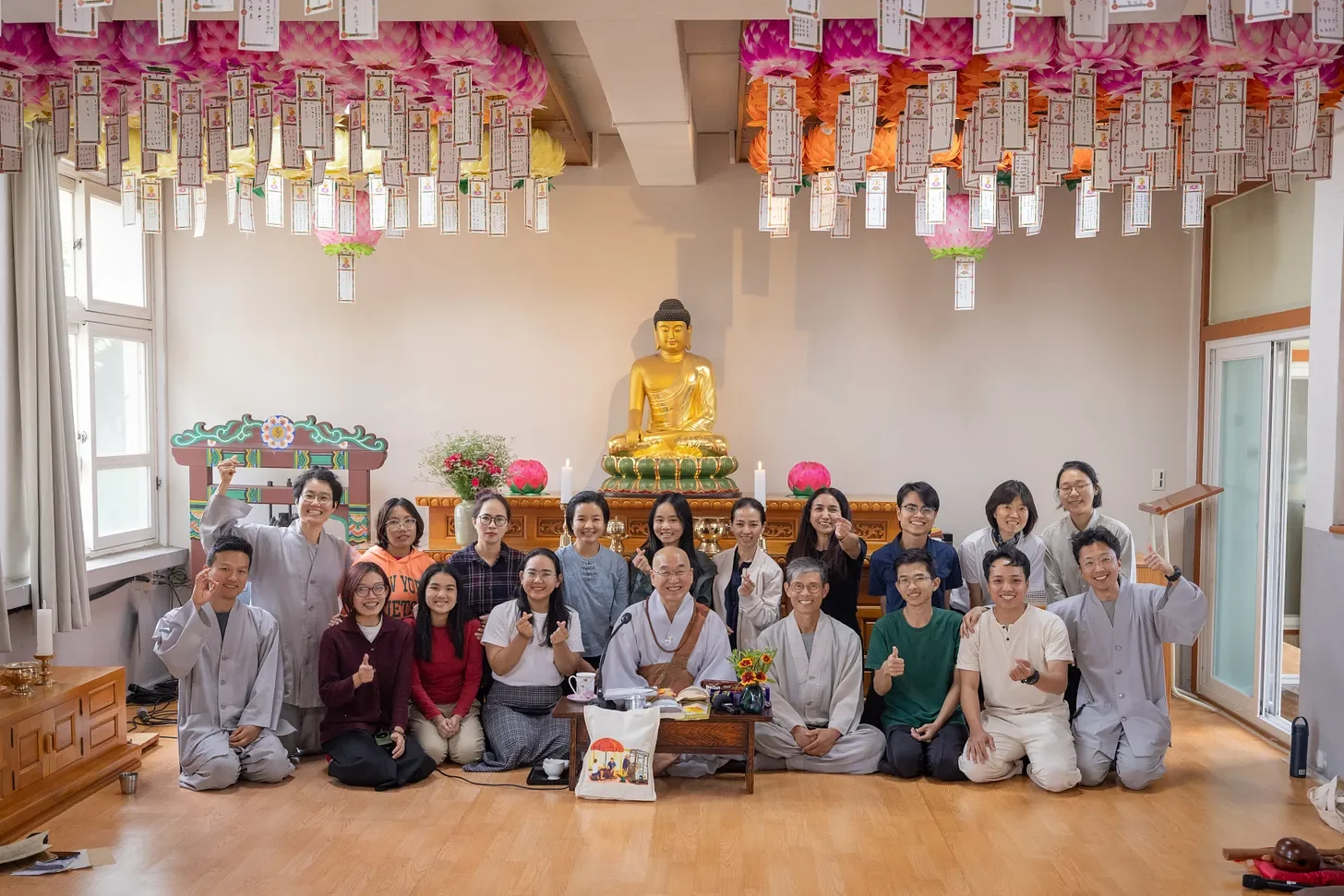
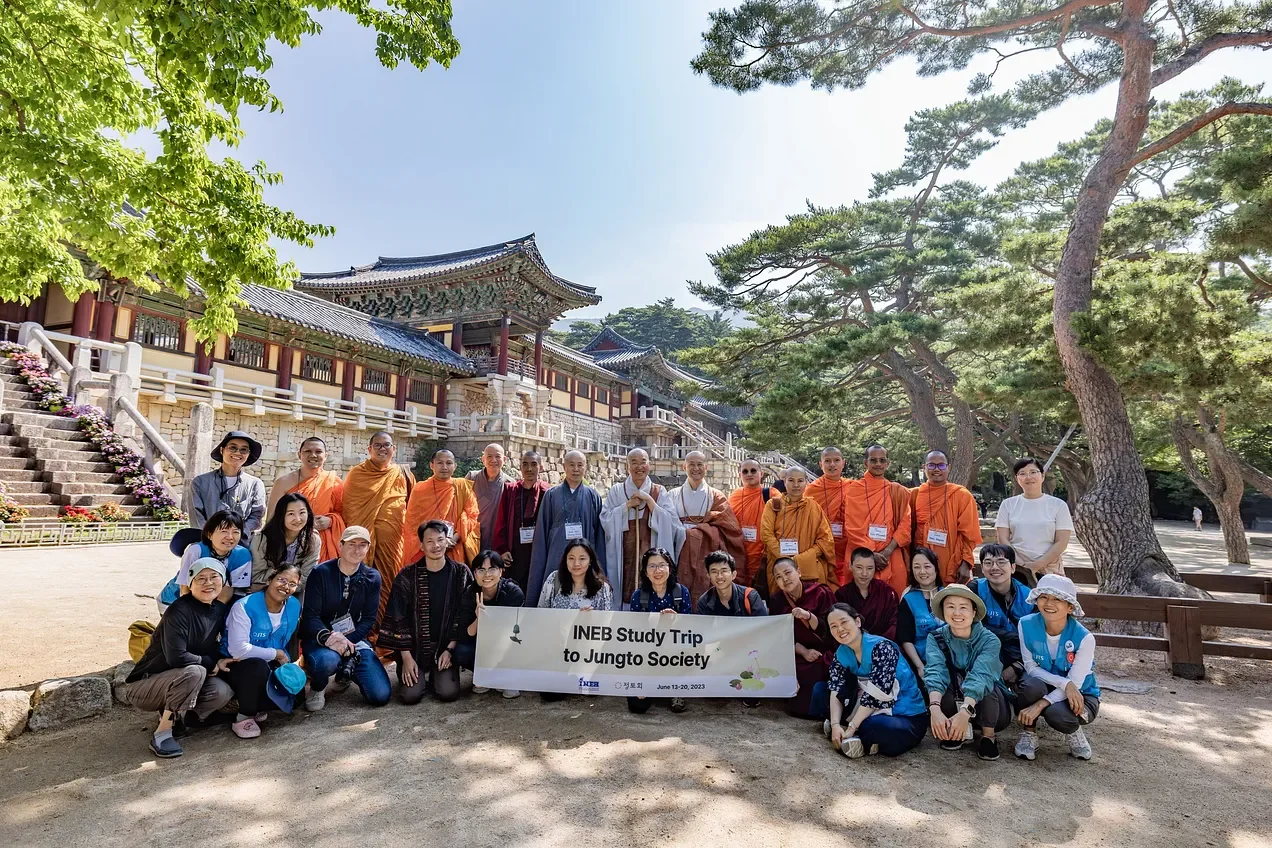
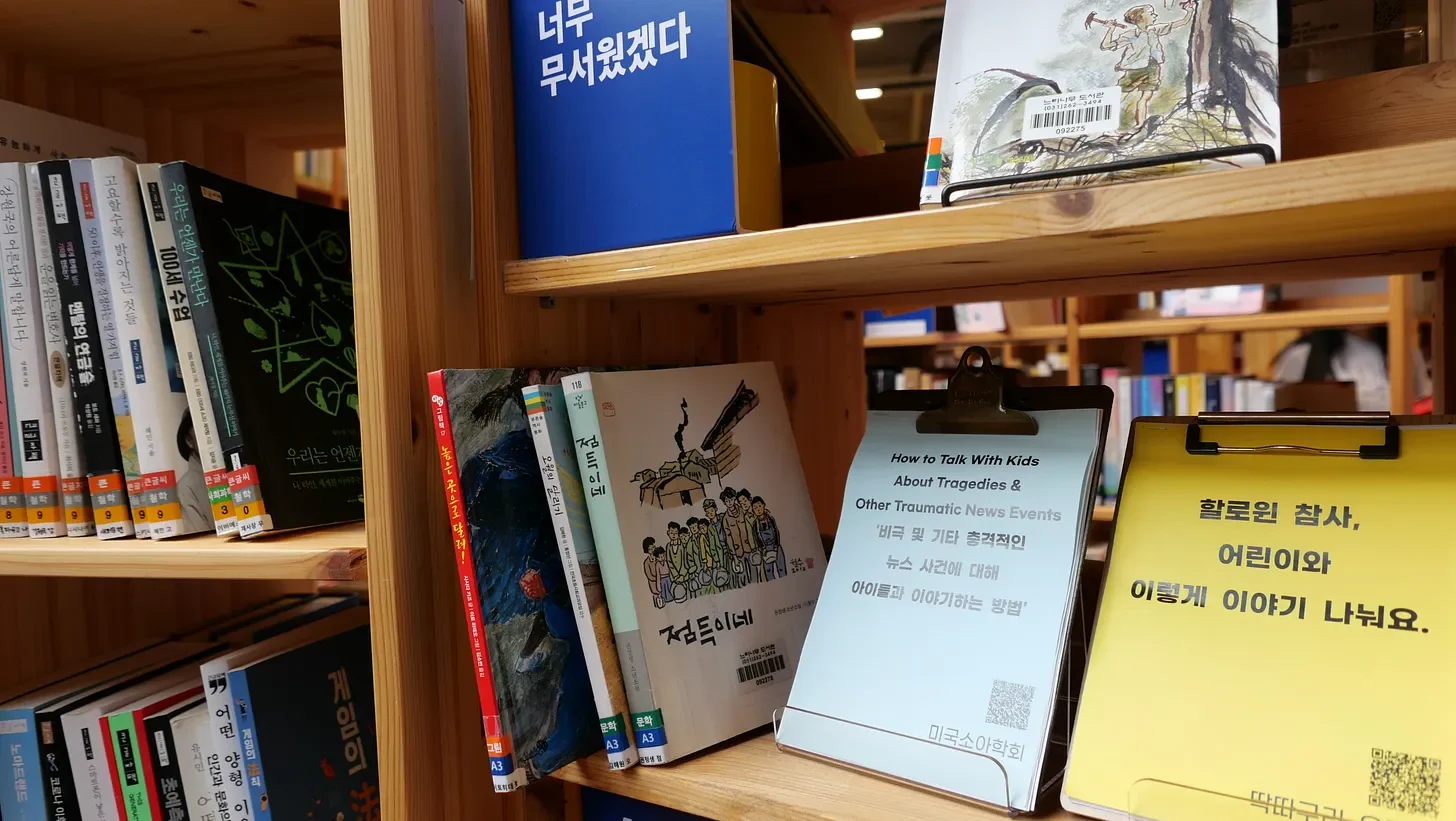
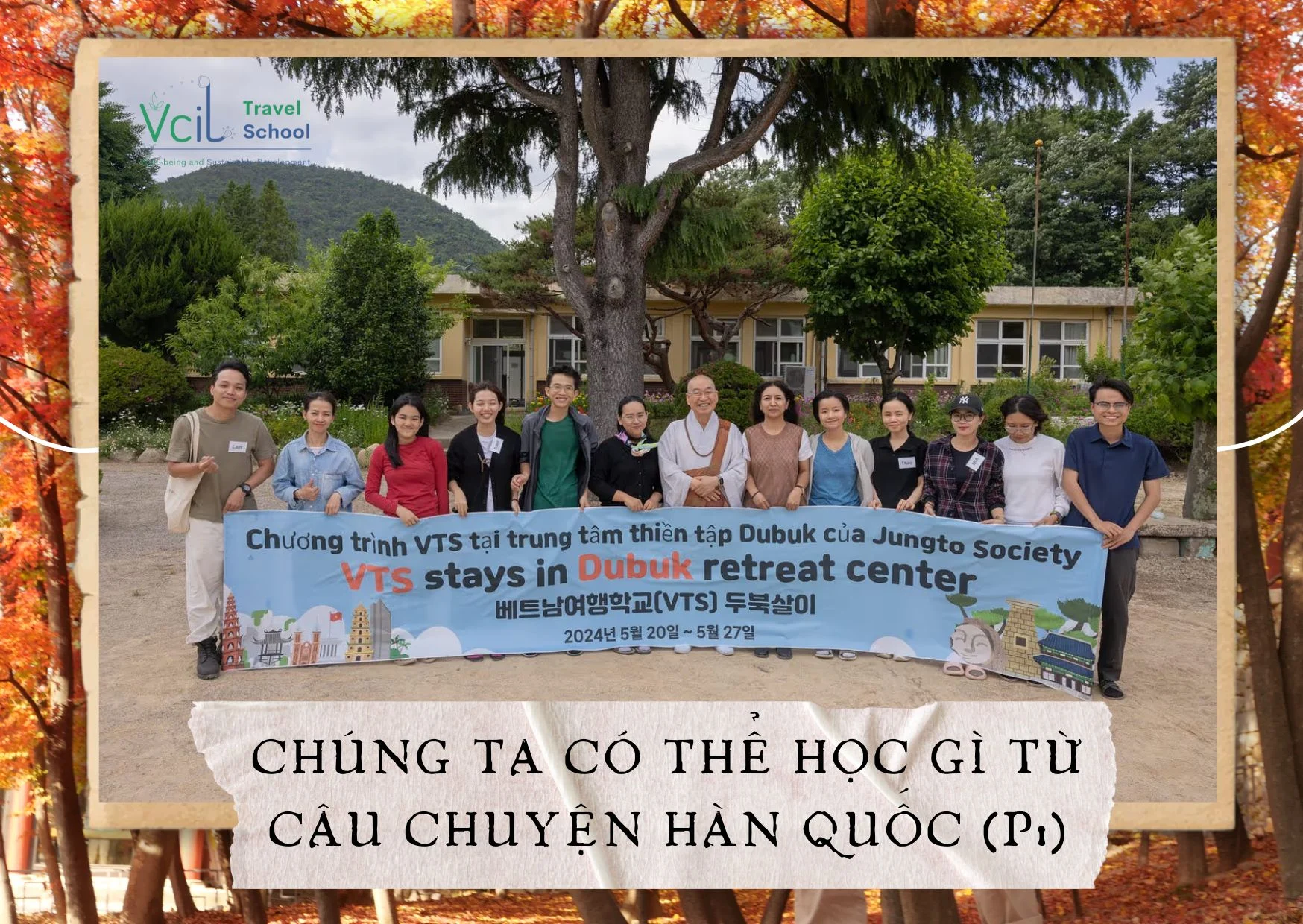
So this will not be an ordinary “tour”, nor a boring “classroom”. Learning happens in context, in many places (travelling entirely by public transport): cultural and historical sites, landmarks and museums in the Seoul capital region; a visit to the world's largest demilitarised zone between South and North Korea (the DMZ) to feel clearly the division of the two countries, to talk about peace, learn the history of the divided peninsula and see North Korea with your own eyes across the border; a visit to the wealthy Gangnam district made famous by Psy's Gangnam Style, together with a young local, to hear about the lives and problems of young people in Korea and the story of plastic surgery in Korea; a visit to a community library; learning to make kimchi and other Korean dishes; and, above all, living, practising and volunteering together in rural Ulsan with the Jungto Society, a community of engaged-Buddhist practitioners who live simply and sustainably and help address social and environmental crises, end poverty and illiteracy in the world, and call for peace on the Korean Peninsula based on Buddhist principles.
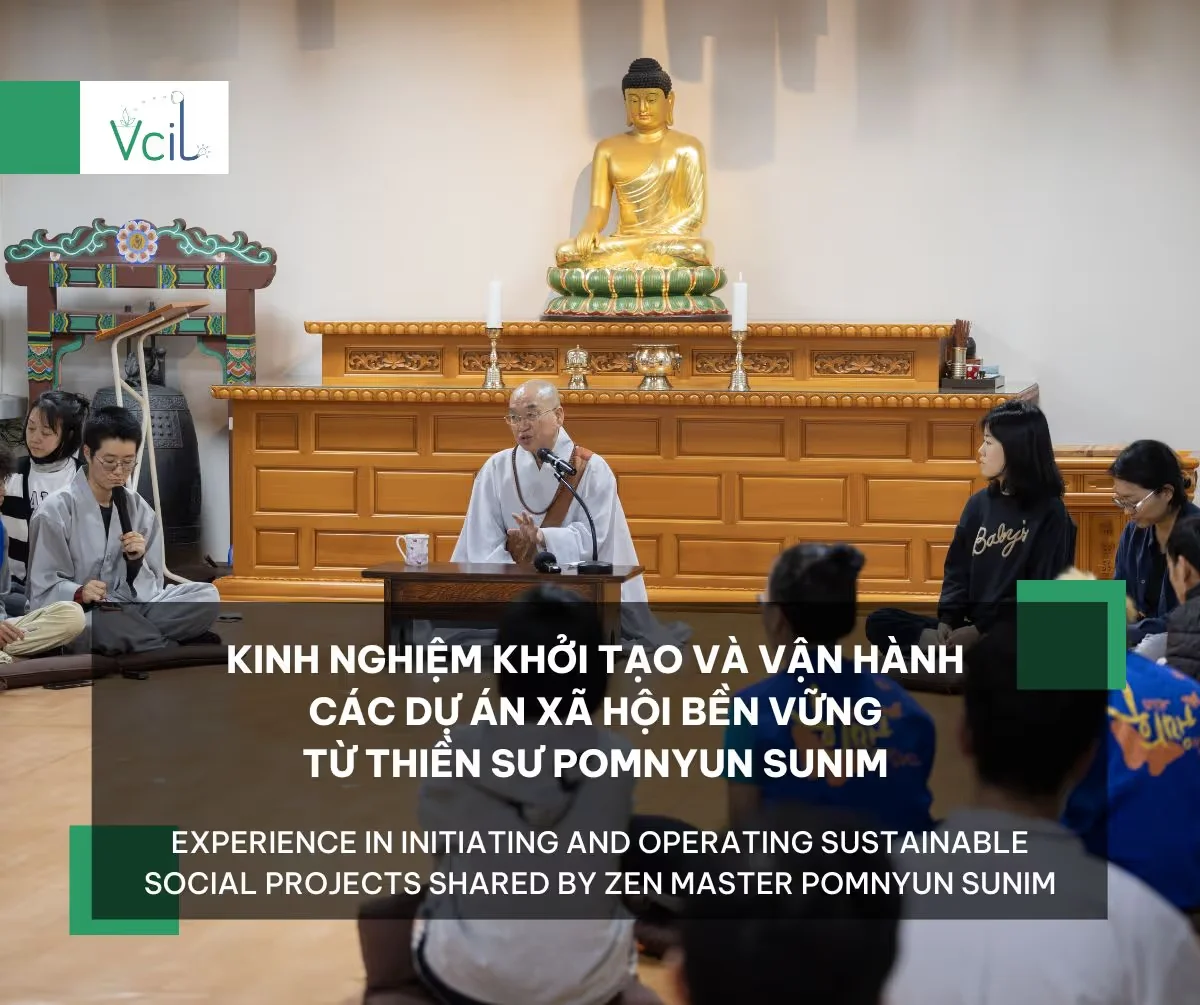
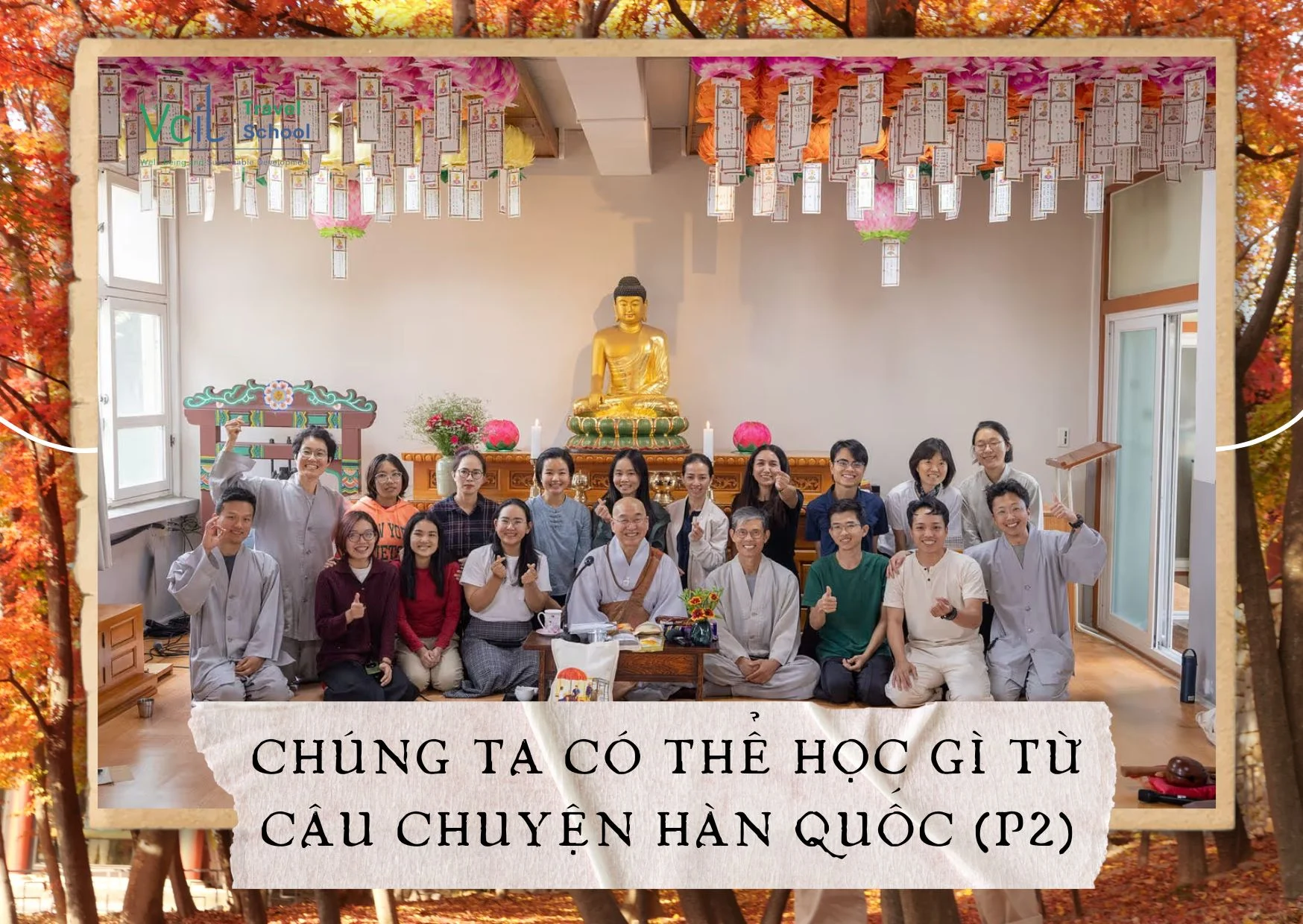
Run entirely by volunteers, the Jungto Society was founded by the Venerable Pomnyun Sunim, a writer, Buddhist leader and peace activist who is famous and hugely influential in Korea. At the Jungto Society, participants will have the chance to learn about its operating model and its experience of successfully running an organisation of more than 15,000 members entirely on volunteers, as well as the chance to talk, ask questions and receive guidance from Venerable Pomnyun Sunim.
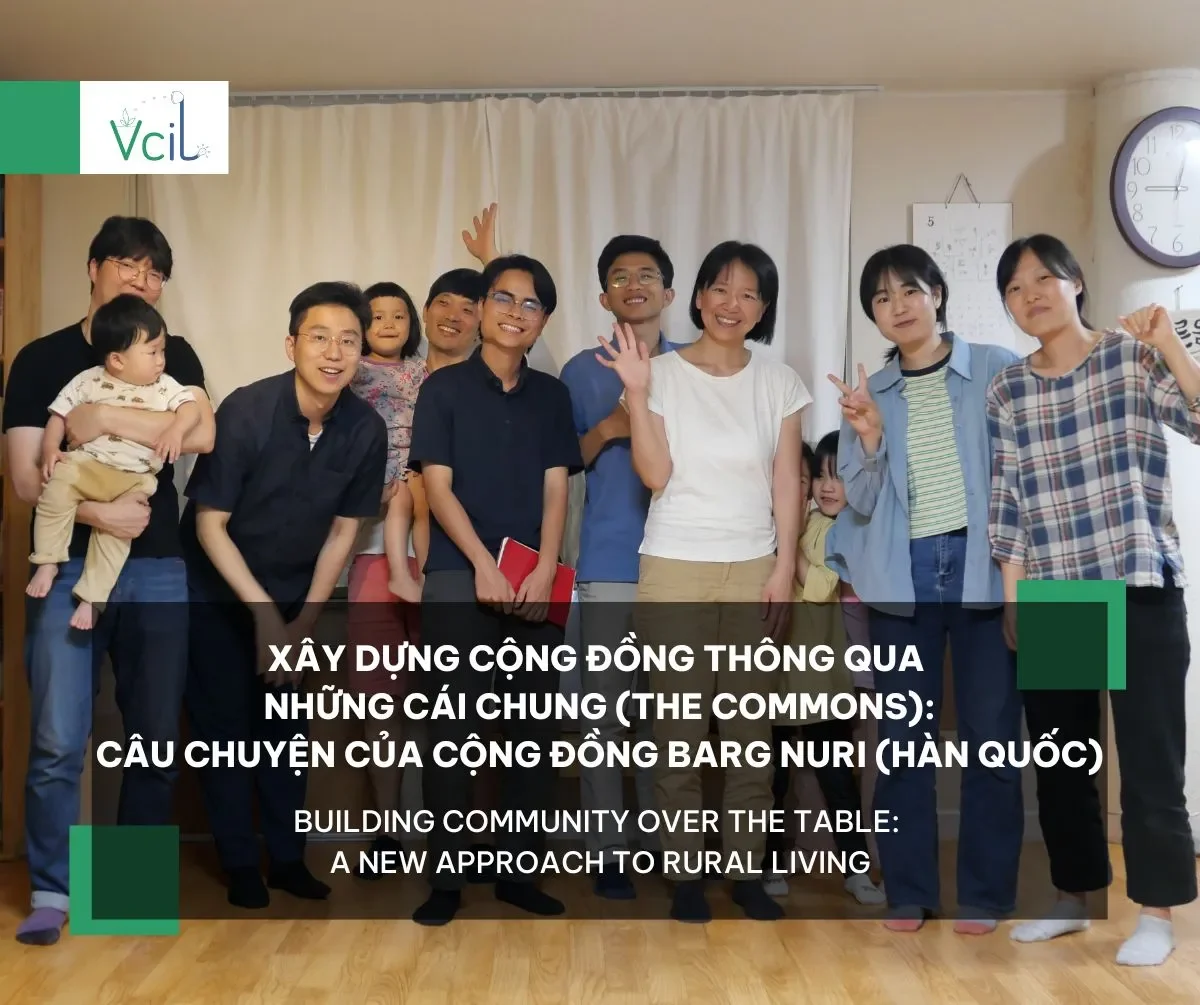
Vcil Travel School 2026 in Korea, co-organised by Vcil Community and Jungto Society Korea, promises to be a programme that not only brings memorable experiences, knowledge and practical, applicable lessons, but also opportunities to connect, build relationships and collaborate among the programme's members and between Vietnamese and Korean organisations.
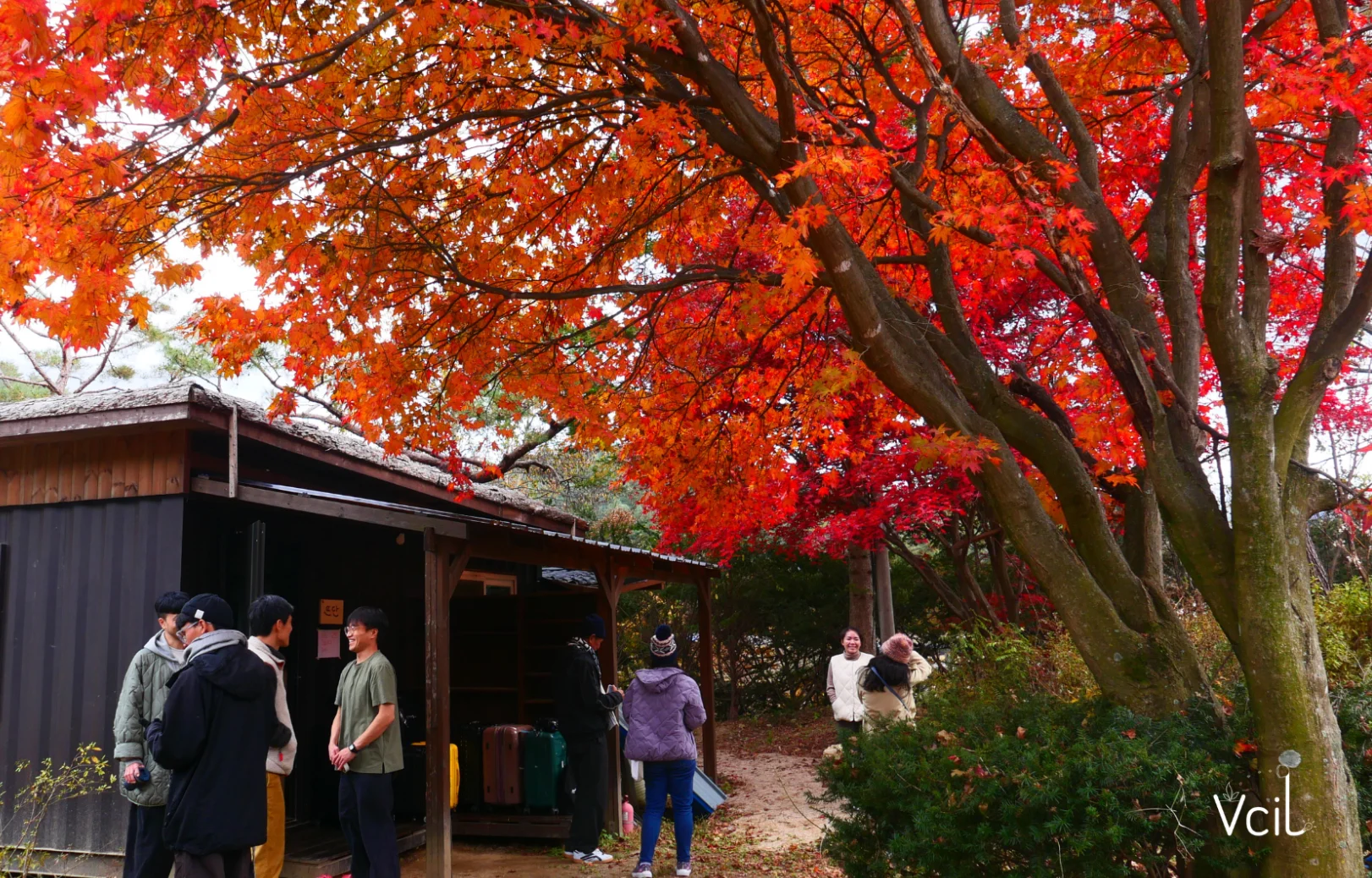
Vcil Travel School Korea also features contributions from The Peace Foundation, consumer cooperatives and socio-economic researchers
Welcome to Vcil Travel School 2026 in Korea!
The learning journey goes deep into the following themes:
1) Socio-economic context: examining the historical, cultural and socio-political factors that shaped Korean society, including the influence of Confucianism, the division of the Korean Peninsula, the East Asian development model, migrant labour and rapid urbanisation.
2) Korea's economic miracle: studying the factors behind Korea's rapid economic growth, including industrialisation, technological progress and export-oriented policies. Examining the country's transformation from an aid-dependent nation into a global economic power, and its paradoxes.
3) Religious renewal: analysing Buddhist and Christian reform movements and how a spiritual core is applied to complex social problems such as consumerism, environmental destruction and mental health. Lessons on volunteering, alternative democratic decision-making, mobilising financial resources for the common good, and leadership in social change.
4) Cooperatives and the solidarity economy: exploring the principles of the solidarity economy, which promotes democratic decision-making, social justice and community empowerment. Engaging with Korea's cooperative ecosystem and its impact on local communities, sustainability and the fair distribution of wealth.
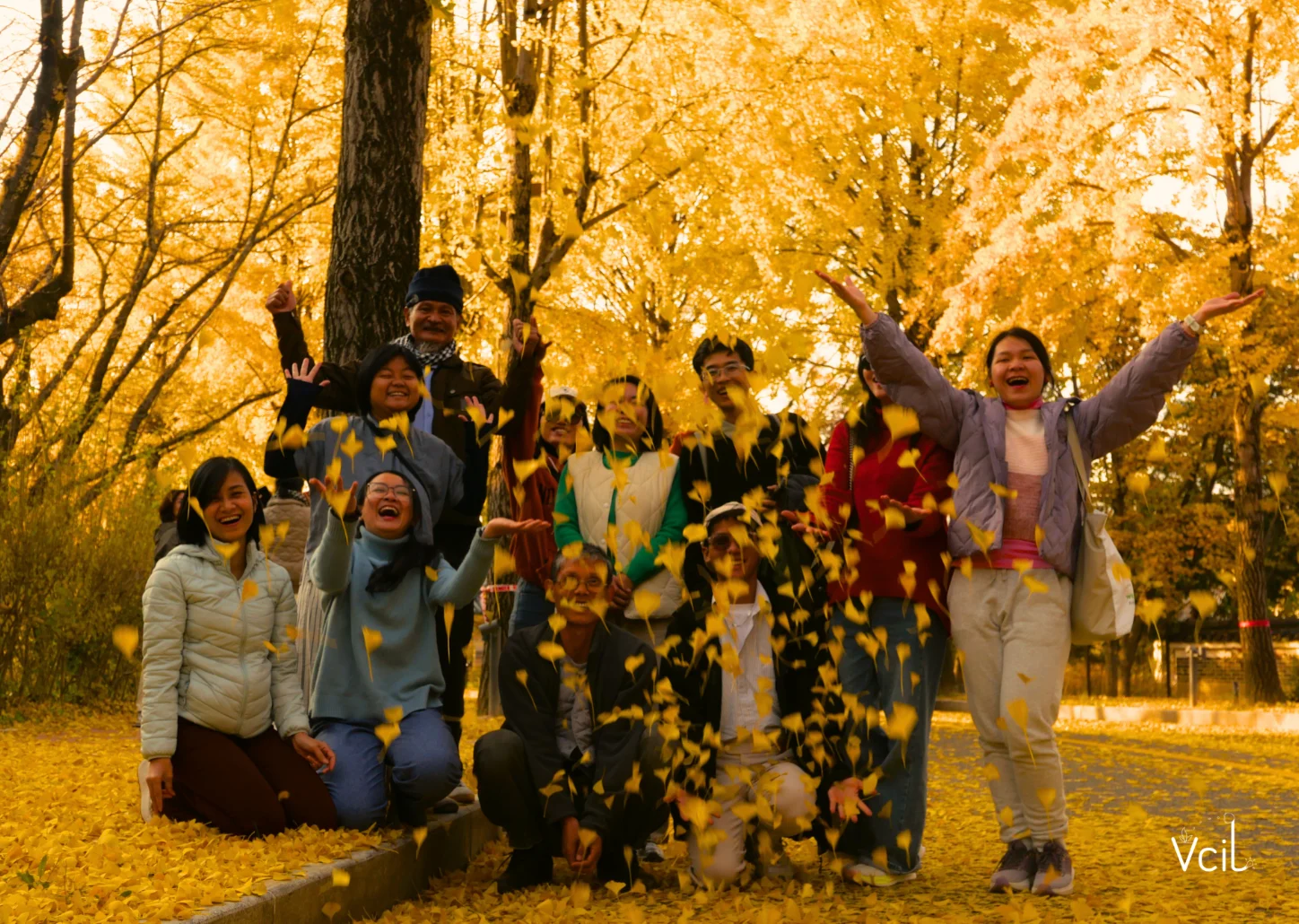
Things to note before joining:
This is an experiential learning programme designed to immerse you in the local context as much as possible, so the schedule is packed, there is a lot of walking, and food and accommodation are minimal. Please consider carefully before registering
Visa: participants may apply for a C-3-9 tourist visa on their own, or the programme will provide an invitation letter and paperwork for Members of 6 months or more, or Vcil Community Alumni, to apply for a C-3-1 short-term exchange/conference visa (general short-term visa)
Visa fees are paid by participants
Accommodation: simple; possibly a dorm in Seoul and communal living with the community at the Jungto Dubuk Center, Ulsan.
Meals: the programme provides lunch every day; participants arrange their own breakfast & dinner (on the days in Seoul & Busan)
Transport: mostly public transport.
The programme only goes ahead once enough people have registered with a suitable financial contribution
Tentative itinerary (subject to change):
* Organisers: Vcil Community (Vietnam) & Jungto Society (Korea)
⏰ Dates:
14 to 24 October 2026
Expected group size: 10 ~ 15 people
🪙 Trip cost:
The cost includes:
1) Accommodation
2) Lunch on the days in Seoul and Busan
3) Learning materials and logistics
4) Transport within Korea
5) Travel insurance
6) Programme organisation and design costs
7) Fees for facilitators & guest speakers during the programme
The cost does NOT include:
1) Korean visa fees
2) Return flights to Korea
3) Breakfasts and dinners in Seoul and Busan
Contact:
- Fanpage: Vcil Community
- Phone/WhatsApp/Zalo: 0836243541 (Huy) or 0918580257 (Trinh)
- Email: vcil.group@gmail.com